
Annual Vet Visit Checklist for Cat Owners

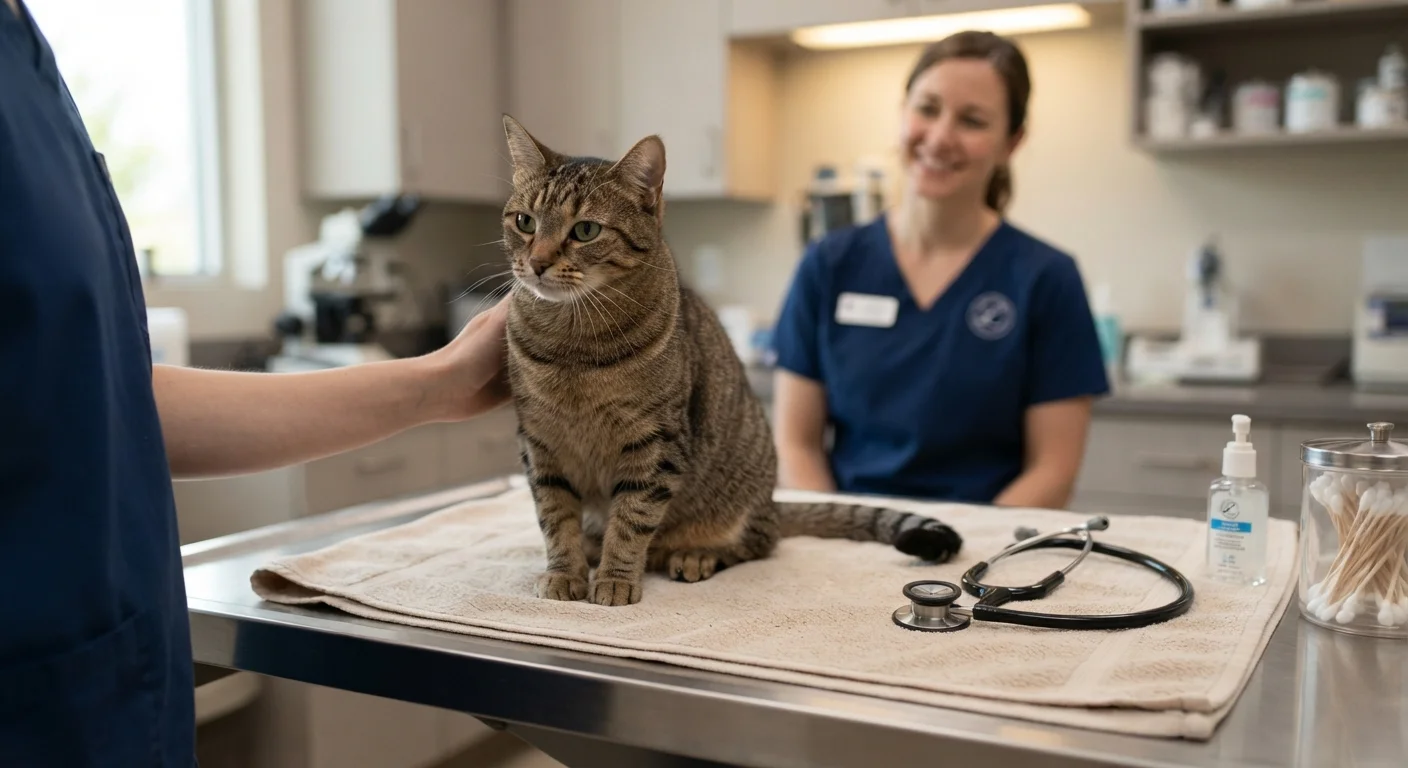
Photo: ResultsExplorer.com | Top Blogs For Everyone editorial
Key Takeaways
- Annual vet visits are essential even when your cat appears perfectly healthy.
- Bringing complete records, including vaccination history, saves time and supports better care.
- Observing behavioral and physical changes at home before the visit gives your vet critical context.
- Senior cats aged 7 and older typically benefit from twice-yearly wellness exams.
- Preparing a written list of questions prevents important concerns from being forgotten in the moment.
Why Annual Wellness Exams Matter for Cats
Cats are famously skilled at masking discomfort — a survival instinct that often means early signs of illness go unnoticed until a condition has progressed. An annual wellness exam gives a veterinarian the opportunity to detect subtle changes in weight, organ function, dental health, and behavior that owners may overlook at home.
Routine bloodwork, urinalysis, and physical palpation can flag issues like early kidney disease, hyperthyroidism, and diabetes well before obvious symptoms appear. The earlier these conditions are identified, the more treatment options are typically available.
For cats aged 7 and older, many veterinarians recommend semi-annual visits rather than annual ones. If you're managing care for an older cat, see our guide on senior feline care for evidence-informed approaches to supporting their wellbeing.
This checklist is designed to help you arrive prepared — not overwhelmed — so every minute with your vet counts.
Cats Hide Illness — Don't Skip the Annual Exam
What to Gather and Observe Before the Appointment
Preparation starts at home, ideally a few days before the visit. Spend a few minutes watching your cat during normal activities — eating, grooming, using the litter box, and resting. Changes in any of these routines are worth noting for your vet, even if they seem minor.
Subtle shifts in behavior or posture can be early pain signals. Our companion article on signs your cat may be in pain covers what to look for before and between appointments.
Vaccination and medical records
Provides the vet with your cat's full health history, preventing gaps in care or unnecessary repeat procedures.
Written list of questions and observations
Helps you remember every concern during what can be a brief and fast-paced appointment.
Secure, well-ventilated carrier
Reduces transport stress and keeps your cat safe; leaving it open at home for days before the visit can help your cat feel less anxious.
Stool sample (fresh, within 24 hours)
Allows the vet to check for intestinal parasites — ask in advance whether your clinic wants one brought in.
Phone with photos or short video clips
Lets you show the vet behavioral symptoms — limping, unusual posture, excessive scratching — that may not appear during the exam itself.
If this is your cat's first visit to a new practice, request that your previous clinic transfer records in advance. Incomplete vaccination histories can result in unnecessary repeat vaccines or gaps in protection.
The Full Annual Vet Visit Checklist
Work through the checklist below before, during, and after the appointment. Items marked must are non-negotiable for a productive visit; should items are strongly recommended; nice to have items add useful context when available.
Records to Bring
Home Observations to Report
Questions to Ask Your Vet
After the Appointment
Bring a Stool Sample Only If Requested
If your cat has never been spayed or neutered, your vet visit is a good time to discuss this. Our overview of what spaying and neutering involve explains the procedure and typical recovery in plain language.
Dog owners looking for a similar preparation resource may find the dog owner vet visit checklist useful as a complementary reference.
This article is for general informational purposes only and does not constitute veterinary advice. Always consult a licensed veterinarian for guidance specific to your cat's health needs.
The content provided on our blog site traverses numerous categories, offering readers valuable and practical information. Readers can use the editorial team’s research and data to gain more insights into their topics of interest. However, they are requested not to treat the articles as conclusive. The website team cannot be held responsible for differences in data or inaccuracies found across other platforms. Please also note that the site might also miss out on various schemes and offers available that the readers may find more beneficial than the ones we cover.