
The Vet Visit Checklist Every Dog Owner Should Keep Handy

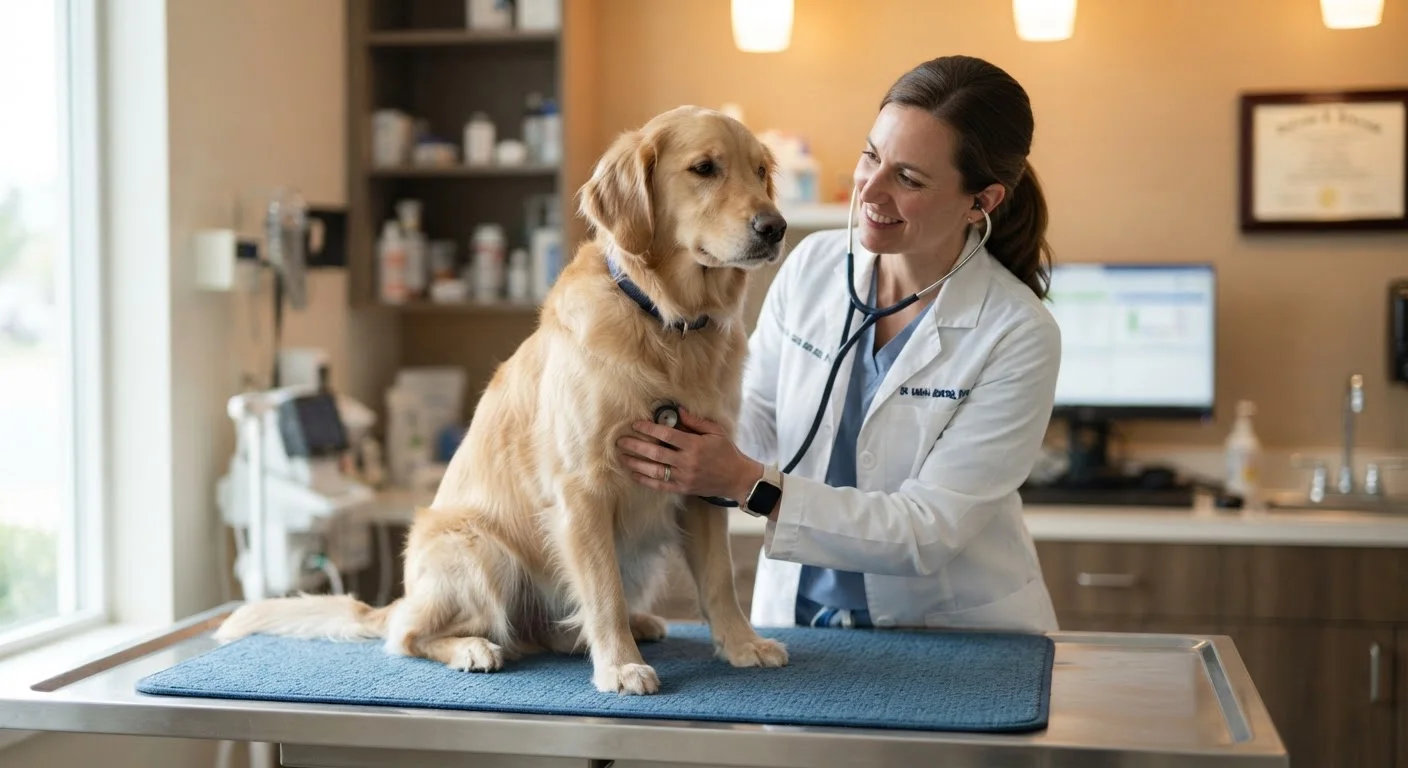
Photo: ResultsExplorer.com | Top Blogs For Everyone editorial
Key Takeaways
- Gathering your dog's health records and vaccination history before every visit saves time and prevents gaps in care.
- Observing and logging symptoms at home — including onset, frequency, and severity — helps your vet make faster, more accurate assessments.
- Preparing a list of questions in advance ensures you leave the appointment with all the information you need.
- Knowing what to bring for urgent versus routine visits reduces stress when time is critical.
- Senior dogs and puppies have specific checklist items that differ from adult dog visits.
Why a Vet Visit Checklist Matters
Most dog owners arrive at the veterinary clinic with good intentions but incomplete information. A forgotten vaccine record, an inability to recall when a symptom started, or a question that slips your mind mid-appointment — these small gaps can affect the quality of care your dog receives. A structured checklist removes that guesswork.
Whether you're attending a routine wellness exam or rushing in for an urgent concern, being prepared means your vet can spend more time assessing your dog and less time chasing down basic information. If you've just brought a new dog home, our guide on bringing a dog home for the first time covers how to set up your vet relationship from day one. For owners of older dogs, see our companion resource on senior dog care for life-stage-specific considerations.
Use the checklist below before every appointment — routine, urgent, or specialist.
Documents and Records
Symptom Observation Log
Questions to Ask Your Vet
Life-Stage Specific Items
What to Bring and How to Prepare
The tools and documents you bring to a vet appointment are just as important as observing your dog at home. Below are the core resources you should have ready.
Pet Health Record Folder or App
Stores vaccination records, vet visit summaries, and medication logs in one accessible place.
Symptom Journal or Notes App
Tracks onset, frequency, and details of any behavioral or physical changes to share with your vet.
Smartphone Camera
Captures video of abnormal gait, seizures, or unusual behavior that is difficult to replicate in the clinic.
Stool Sample Container
Collects a fresh fecal sample (if requested or recommended) for parasite screening at the visit.
Beyond documents, take a few minutes the evening before a scheduled appointment to observe your dog's behavior, appetite, energy level, and bathroom habits. Note anything that seems off, even if you're not sure it's relevant — your vet will decide what matters. For urgent or emergency visits, focus on recording when symptoms began and whether they are worsening. If your dog has recently traveled or is due for travel, a pre-departure checklist can help you confirm any health-related requirements before you leave.
Don't Wait If These Signs Appear
This article is for general informational purposes only and does not constitute veterinary medical advice. Always consult a licensed veterinarian for guidance specific to your dog's health and circumstances.
The content provided on our blog site traverses numerous categories, offering readers valuable and practical information. Readers can use the editorial team’s research and data to gain more insights into their topics of interest. However, they are requested not to treat the articles as conclusive. The website team cannot be held responsible for differences in data or inaccuracies found across other platforms. Please also note that the site might also miss out on various schemes and offers available that the readers may find more beneficial than the ones we cover.