
Spaying and Neutering Cats: What the Procedure Actually Involves

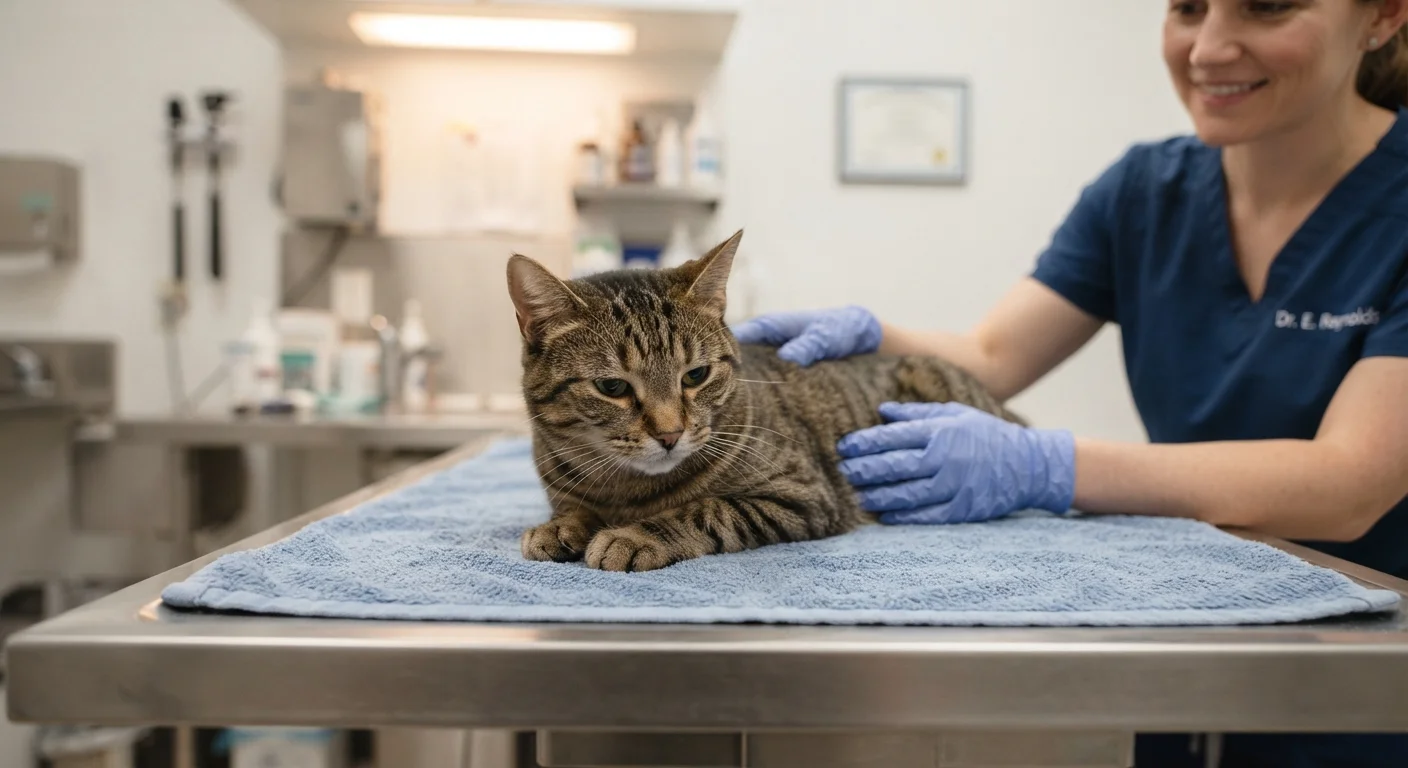
Photo: ResultsExplorer.com | Top Blogs For Everyone editorial
Key Takeaways
- Spaying removes the ovaries and uterus of female cats; neutering removes the testicles of males.
- Both procedures are performed under general anesthesia and are considered routine in veterinary practice.
- Most cats recover fully within 10–14 days with proper post-operative care at home.
- Veterinary organizations broadly support early-age sterilization, often around 4–6 months.
- Spaying eliminates the risk of uterine infections and greatly reduces mammary tumor risk in females.
- Always consult your veterinarian to determine the best timing and approach for your individual cat.
What Happens During Each Procedure
Understanding what actually takes place in the operating room can ease the anxiety many cat owners feel when scheduling these procedures for the first time.
For female cats (spaying), the most common technique in the United States is an ovariohysterectomy — the surgical removal of both ovaries and the uterus. The veterinarian makes a small incision in the abdomen, carefully ligates the blood vessels, removes the reproductive organs, and closes the incision in layers. Some practices now perform a laparoscopic (minimally invasive) version, though traditional open surgery remains standard in most clinics.
For male cats (neutering), the procedure is considerably simpler. Two small incisions are made in the scrotal area, the testicles are exteriorized and their blood supply is ligated, and the testicles are removed. The incisions are often small enough that sutures may not be required, though practices vary.
Both procedures are performed under general anesthesia, meaning your cat is fully unconscious and feels nothing during the surgery. A pre-anesthetic physical examination and sometimes bloodwork are recommended to confirm the cat is healthy enough to undergo anesthesia safely.
Ask About Pre-Anesthetic Bloodwork
Health Benefits Supported by Veterinary Research
Spaying and neutering offer documented health benefits beyond population control, and these extend across a cat's lifetime.
In females, spaying before the first heat cycle dramatically reduces the risk of mammary (breast) tumors, which are malignant in roughly 85–90% of cats according to veterinary oncology literature. Spaying also eliminates the risk of pyometra — a life-threatening uterine infection that is relatively common in intact older female cats — as well as ovarian and uterine cancers.
In males, neutering eliminates testicular cancer and substantially reduces the risk of prostate problems. It also curbs testosterone-driven behaviors that place cats in danger: intact males are far more likely to roam, fight with other cats, and sustain injuries or contract infectious diseases such as feline immunodeficiency virus (FIV), which spreads through bite wounds.
If you are also navigating the arrival of a new pet alongside these decisions, the guide to bringing a cat home for the first time covers the broader health and setup considerations worth planning around early.
~85–90%
Feline mammary tumors that are malignant
According to veterinary oncology literature, the vast majority of mammary tumors in cats are cancerous, making early spaying a significant protective measure.
7× lower
Mammary tumor risk when spayed before first heat
Research cited by the American College of Veterinary Surgeons indicates that spaying before the first estrous cycle dramatically reduces a cat's lifetime risk of developing mammary tumors.
10–14 days
Typical recovery period for female cats after spaying
Most veterinary discharge guidelines recommend restricting activity and monitoring the incision for this period to ensure proper wound healing.
Recovery: What to Expect at Home
Post-operative care at home plays a significant role in how smoothly a cat heals. Veterinary staff will provide specific discharge instructions — following them carefully matters.
Key principles of recovery include:
- Activity restriction: Running, jumping, and rough play must be limited for at least 10–14 days to prevent the incision from reopening or herniating.
- Incision monitoring: Check the site daily for swelling, redness, discharge, or gaping edges. A small amount of bruising is normal; pus or pronounced swelling is not.
- Preventing licking: Most veterinarians will send cats home with an e-collar (Elizabethan collar) to stop licking or chewing at the wound, which can introduce infection.
- Pain management: Prescribed pain medications should be administered exactly as directed. Never give over-the-counter human pain relievers to cats — many are toxic to felines.
- Follow-up appointment: A suture check or recheck visit is typically scheduled 10–14 days after surgery.
Most cats are alert within hours of surgery and return to near-normal appetite within 24–48 hours. For a broader look at what to watch for in your cat's overall health, the annual vet visit checklist provides a useful framework for ongoing monitoring.
Timing, Myths, and Common Questions
The question of when to spay or neuter is one of the most frequently discussed topics between cat owners and veterinarians. The American Veterinary Medical Association (AVMA) and the American Association of Feline Practitioners (AAFP) both support early sterilization — typically around 4 to 6 months — before sexual maturity in most cats.
One persistent myth is that female cats should be allowed to have one litter before being spayed, or that they must go through a heat cycle first. Current veterinary evidence does not support either of these claims; in fact, spaying before the first heat cycle provides the greatest reduction in mammary tumor risk.
Another common concern is that sterilization causes significant weight gain. While altered cats can have slightly lower energy requirements, weight gain results from overfeeding and insufficient activity — both of which are manageable. Adjusting portion sizes after the procedure is a straightforward preventive step your veterinarian can help with.
For owners curious about how the considerations for cats compare with those for dogs, our article on neutering a dog explores the similarities and meaningful differences between species.
It is also worth dispelling fears rooted in misinformation. Our overview of common cat health myths addresses several misconceptions that can affect how owners approach veterinary care decisions.
This article is for general informational purposes only and does not constitute veterinary or medical advice. Always consult a licensed veterinarian for guidance specific to your cat's health needs.
Frequently Asked Questions
The content provided on our blog site traverses numerous categories, offering readers valuable and practical information. Readers can use the editorial team’s research and data to gain more insights into their topics of interest. However, they are requested not to treat the articles as conclusive. The website team cannot be held responsible for differences in data or inaccuracies found across other platforms. Please also note that the site might also miss out on various schemes and offers available that the readers may find more beneficial than the ones we cover.