
The Truth Behind Common Cat Health Myths

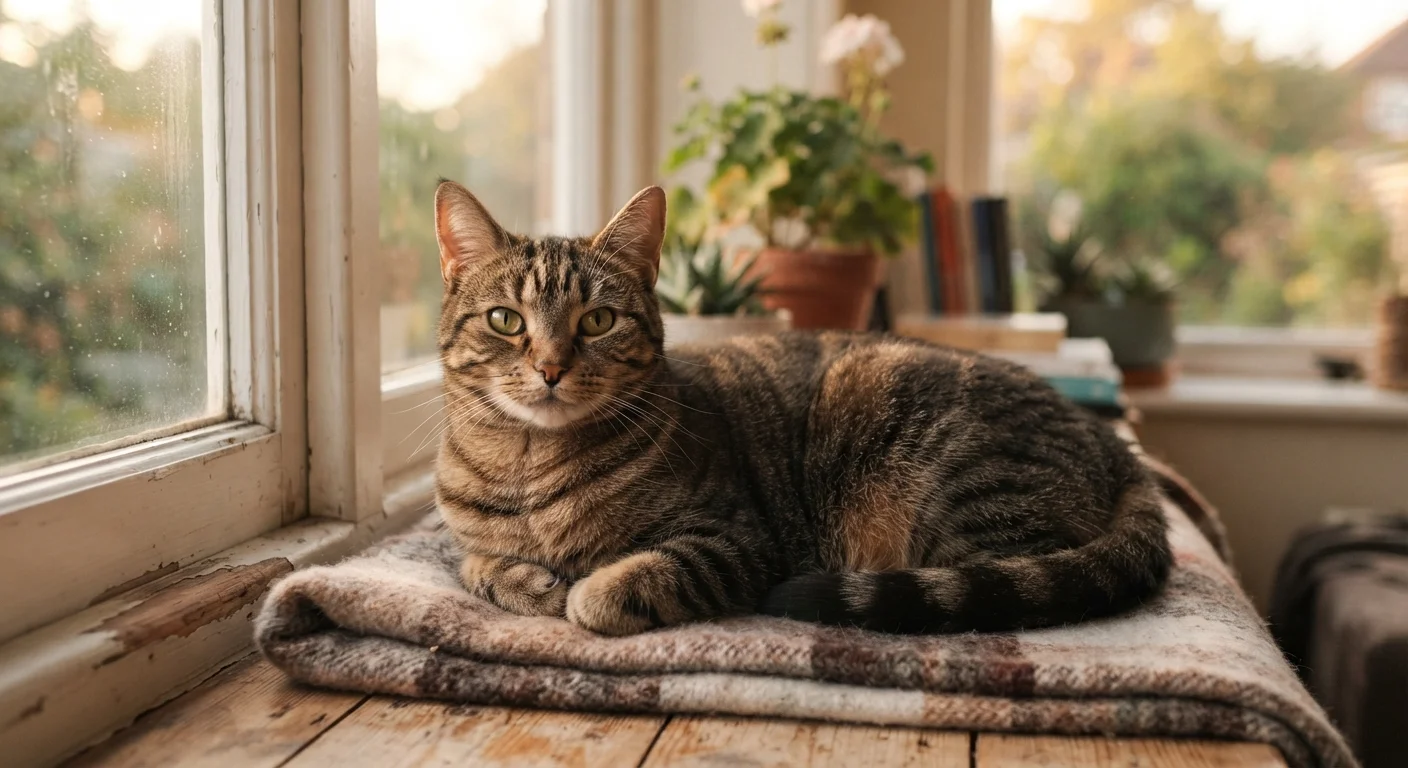
Photo: ResultsExplorer.com | Top Blogs For Everyone editorial
Key Takeaways
- Most adult cats are lactose intolerant and should not be given cow's milk.
- Cats do not always land safely on their feet — falls can and do cause serious injuries.
- Purring does not always signal contentment; cats also purr when stressed or in pain.
- Indoor cats still need regular veterinary care and enrichment to stay healthy.
- A dry nose is not a reliable indicator of illness in cats.
Why Cat Health Myths Persist
Cats have shared our homes for thousands of years, yet misconceptions about their biology and care remain remarkably common. Some myths are harmless curiosities; others can lead well-meaning owners to make decisions that genuinely affect their cat's health. Understanding where these beliefs come from — and what the evidence actually shows — is one of the most useful things a cat owner can do.
The myth-busting pairs below cover some of the most widely repeated claims about feline health, drawing on established veterinary science. For a broader look at how environment shapes feline wellbeing, see our article on indoor vs. outdoor cats.
Myth
Cats can drink cow's milk as a treat — it's natural and good for them.
Fact
Most adult cats are lactose intolerant and cow's milk commonly causes digestive upset, including diarrhea and stomach cramping.
Kittens produce lactase, the enzyme needed to digest lactose in their mother's milk. After weaning, lactase production typically drops significantly, leaving most adult cats unable to properly process the lactose found in cow's milk. The result is often gastrointestinal distress. Fresh water is the appropriate and sufficient drink for adult cats. If you're interested in how hydration interacts with diet more broadly, our overview of wet food and dry food for cats covers the topic in detail.
Myth
Cats always land on their feet and rarely get seriously hurt from falls.
Fact
While cats have a righting reflex that helps them orient during a fall, it does not guarantee a safe landing — falls cause significant injuries every year.
The feline righting reflex allows cats to rotate their bodies mid-air to orient feet-downward. However, this reflex has limits. Short falls may not allow enough time to complete the rotation, and even when a cat does land feet-first, the impact can fracture legs, damage the palate, or cause internal injuries. Veterinary emergency rooms treat what is sometimes called high-rise syndrome — a documented pattern of injuries in cats that have fallen from heights. No fall should be considered inherently safe.
Myth
A purring cat is always a happy, relaxed cat.
Fact
Cats purr in a range of emotional states, including when they are anxious, in pain, or unwell.
Purring is often associated with contentment, and that association is sometimes accurate. But cats also purr when stressed, injured, or even dying — researchers believe purring may serve a self-soothing or healing function, as the vibration frequencies produced fall within ranges associated with promoting bone density and tissue repair. Understanding your cat's broader body language is essential to interpreting purring correctly. Our practical guide to cat body language can help you read the full picture.
Myth
A dry or warm nose means a cat is sick.
Fact
Nose temperature and moisture vary naturally throughout the day and are not reliable health indicators on their own.
This belief is common in dog care mythology and has been incorrectly transferred to cats. A cat's nose can be dry after sleep, in a warm room, or simply due to normal variation — none of which signals illness. Genuine warning signs to watch for include changes in appetite, unusual hiding, labored breathing, discharge from eyes or nose, or changes in litter box habits. If you notice your cat withdrawing or behaving differently, our article on why cats hide when unwell explains what to look for.
Myth
Indoor cats don't need regular vet visits because they aren't exposed to outside risks.
Fact
Indoor cats remain susceptible to a range of health conditions — from dental disease to obesity — that require regular veterinary monitoring.
The controlled indoor environment does reduce certain risks — traffic, predators, and some infectious diseases. But it introduces others. Indoor cats are more prone to obesity, dental disease, urinary tract issues, and behavioral problems linked to insufficient enrichment. Routine veterinary check-ups allow early detection of conditions that may otherwise go unnoticed, since cats are adept at concealing discomfort. Vaccination schedules and parasite prevention also remain relevant for indoor cats, depending on individual circumstances. Discuss your cat's specific needs with your veterinarian.
What These Corrections Mean for Day-to-Day Cat Care
Correcting these myths isn't about criticism — most cat owners absorb them the same way everyone else does, through cultural repetition. What matters is what you do with accurate information.
~65%
Adult cats estimated to be lactose intolerant
Veterinary nutritionists broadly agree that the majority of adult cats lack sufficient lactase to digest cow's milk without gastrointestinal effects.
~59%
US cats estimated to be overweight or obese
The Association for Pet Obesity Prevention has consistently found that more than half of domestic cats in the US carry excess body weight.
Nutrition is a particularly consequential area. Cats are obligate carnivores with very specific dietary needs that shift across their lifespan. Our guide to what cats need from their diet at every life stage explains how those requirements change from kittenhood through senior years. For a closer look at how food type affects hydration and dental health, see wet food vs. dry food for cats.
Behavioural myths are equally important to address. Cats who hide when unwell are often dismissed as simply being shy — but this instinct can mask serious illness. Learn more in why cats hide when they're unwell. And if your cat shows behaviours that seem puzzling or problematic, evidence-based context helps enormously — see common feline behavioural problems and what's behind them.
Always Consult Your Veterinarian
This article is for general informational purposes only and does not constitute veterinary advice. Always consult a licensed veterinarian for concerns about your cat's health or care.
The content provided on our blog site traverses numerous categories, offering readers valuable and practical information. Readers can use the editorial team’s research and data to gain more insights into their topics of interest. However, they are requested not to treat the articles as conclusive. The website team cannot be held responsible for differences in data or inaccuracies found across other platforms. Please also note that the site might also miss out on various schemes and offers available that the readers may find more beneficial than the ones we cover.