
Common Feline Behavioural Problems and What's Usually Behind Them

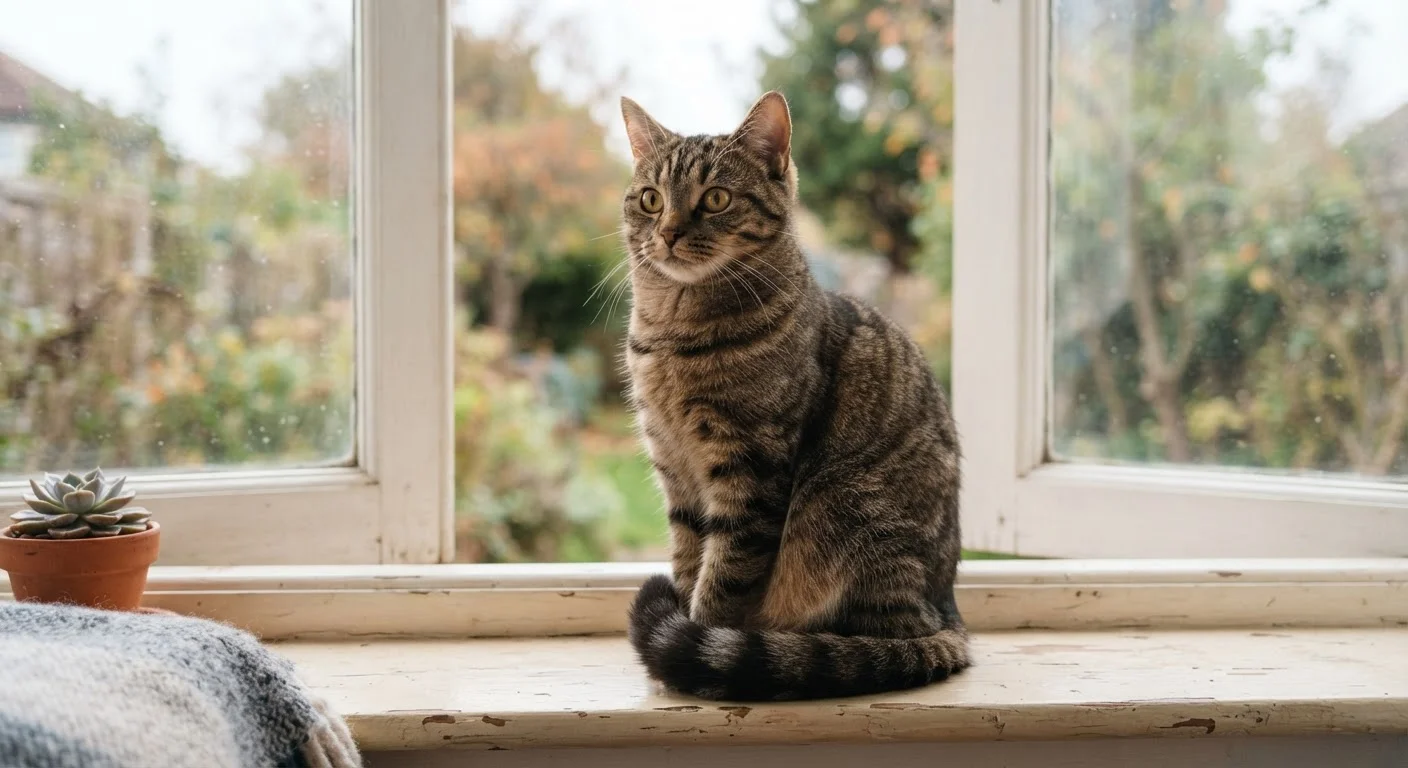
Photo: ResultsExplorer.com | Top Blogs For Everyone editorial
Key Takeaways
- Most feline behavioural problems have identifiable triggers rooted in instinct, stress, or medical issues.
- Scratching, spraying, and aggression are normal cat behaviours expressed inappropriately — not signs of spite.
- Sudden behavioural changes often signal a health problem and warrant a veterinary evaluation.
- Environmental enrichment and routine address many of the most common behaviour challenges in indoor cats.
- Understanding your cat's communication signals is the first step toward resolving unwanted behaviours.
Why Cats Misbehave — and Why That Framing Misses the Point
When a cat claws the sofa, sprays the doorframe, or launches a 3 a.m. yowling session, it can feel like defiance. In reality, cats are not wired for spite. Every behaviour — no matter how disruptive — serves a purpose from the cat's perspective. Understanding the underlying drive is the most reliable path to resolving it.
Feline behaviour problems fall into a few broad categories: instinct-driven actions misdirected at the wrong target, stress responses to environmental change, communication breakdowns between cat and owner, and — critically — physical discomfort or illness expressing itself behaviourally. Learning to read which category you're dealing with shapes how you respond. Our guide to reading your cat's body language offers a useful starting point for decoding what your cat is already trying to tell you.
Below are six of the most common feline behavioural challenges, paired with the evidence-informed explanations behind them.
Furniture Scratching
Scratching is not destructive behaviour — it is a biological necessity. Cats scratch to maintain claw condition, to stretch the muscles of the spine and shoulders, and to deposit scent from the glands between their toes, marking territory visually and chemically. When a cat scratches the sofa, it is usually because the sofa is prominently located, has a satisfying texture, or stands near a resting spot.
The fix is rarely punishment — which cats do not associate with the act after the fact. Providing tall, stable scratching posts made of sisal or wood near the targeted furniture, and gently redirecting the cat to those surfaces, addresses the need directly. Horizontal scratchers work better for some cats; observing which angles your cat favours helps narrow this down.
Scratching is a biological necessity, not defiance — cats need appropriate outlets for it.
Urine Spraying or Inappropriate Elimination
Urine spraying — backing up to a vertical surface and releasing a small amount of urine — is distinct from normal urination and is almost always a territorial or stress response. It is far more common in unneutered males but occurs across all sexes and neuter statuses. Triggers include the presence of outdoor cats visible through windows, a new pet or person in the home, conflict between resident cats, or any significant environmental change.
Inappropriate elimination in the litter box — going outside it rather than near a wall — more often points to litter box aversion (wrong substrate, covered hood, inadequate size, infrequent cleaning, poor location) or, importantly, a medical issue such as a urinary tract infection or feline idiopathic cystitis. Medical causes should always be ruled out first.
Inappropriate elimination is one of the most common reasons cats are surrendered to shelters — yet it is often correctable.
Aggression Toward People or Other Pets
Feline aggression takes several distinct forms, each with different roots. Play aggression is common in young cats and kittens, particularly those raised without feline companions — hands and feet become prey substitutes when appropriate outlets are absent. Redirected aggression occurs when a cat is aroused by something it cannot reach (a bird outside, another cat) and turns on the nearest available target. Fear-based aggression arises when a cat feels cornered or threatened with no escape route.
Inter-cat aggression in multi-cat households frequently traces back to insufficient resources — too few litter boxes, feeding stations, or resting areas, forcing competition. Introducing a new cat to a resident pet explains how gradual desensitisation during the introduction phase prevents many of these tensions from taking hold.
Many aggression cases in multi-cat homes are resource conflicts, not personality clashes.
Excessive Vocalisation
Cats that yowl persistently — especially at night — are communicating something specific, even if the message is unclear. In unneutered or unspayed cats, vocalisation often reflects reproductive drive. In senior cats, sudden or increasing vocalisation is a well-documented sign of cognitive dysfunction, hyperthyroidism, or high blood pressure, all of which are treatable when caught. Hunger, disorientation, pain, and anxiety are also common drivers.
Breed plays a role too — Siamese and other Oriental breeds are naturally more vocal and may simply have a higher baseline. Context matters: a cat that has always been chatty differs significantly from one that has recently become louder or more insistent. The latter warrants a veterinary assessment.
Sudden increases in vocalisation in older cats are a recognised signal of several treatable medical conditions.
Compulsive Grooming or Overgrooming
Cats groom themselves to regulate temperature, maintain coat condition, and self-soothe. When grooming escalates to the point of causing bald patches, skin sores, or hair ingestion beyond the normal amount, it has moved into a different territory. Overgrooming can stem from skin conditions, parasites, allergies, or pain (cats often over-groom the skin above an area of internal discomfort). It can also be a stress response — sometimes called psychogenic alopecia — though this diagnosis should only be made once physical causes are excluded.
Stress-driven overgrooming is most often associated with changes in the household, a restricted environment, or conflict with other animals. It responds well to environmental enrichment and, in some cases, medication prescribed by a veterinarian with feline behaviour expertise.
Bald patches from overgrooming are not always stress — skin conditions, parasites, and pain are common physical causes.
Nighttime Activity and Sleep Disruption
Cats are crepuscular — naturally most active at dawn and dusk — but domestic cats adjust their schedules considerably based on household routine and feeding patterns. Nighttime disruption is frequently a hunger, boredom, or attention-seeking response, especially in indoor-only cats who have limited stimulation during the day.
Interactive play sessions in the evening that mimic a hunt cycle — active play followed by a small meal — often shift cats toward a calmer nighttime routine. Kittens and young cats have high energy needs that are best met through structured daily play rather than expecting them to settle naturally. Older cats that suddenly become active and disoriented at night, however, should be evaluated for cognitive or metabolic causes.
An evening play-then-feed routine mimicking the hunt cycle can significantly reduce nighttime disruption.
When Behaviour Is the Symptom, Not the Problem
A pattern worth emphasising: any abrupt or unexplained shift in a previously stable cat's behaviour should prompt a veterinary check before any behaviour modification is attempted. Pain, hyperthyroidism, urinary tract infections, cognitive dysfunction in older cats, and neurological conditions can all present as aggression, vocalisation, house-soiling, or withdrawal. Treating the behaviour while the underlying condition goes unaddressed is both ineffective and unkind. Our companion articles — why cats hide when they're unwell and signs your cat may be in pain — detail the subtle physical cues that owners most commonly overlook.
For behaviours rooted in boredom or frustration rather than illness, structured enrichment makes a measurable difference. Feline enrichment for indoor cats covers the practical, evidence-backed strategies worth exploring once medical causes are ruled out.
Rule Out Medical Causes First
This article is for general informational purposes only and is not a substitute for professional veterinary advice. If your cat's behaviour changes suddenly or you are concerned about their health, consult a licensed veterinarian.
The content provided on our blog site traverses numerous categories, offering readers valuable and practical information. Readers can use the editorial team’s research and data to gain more insights into their topics of interest. However, they are requested not to treat the articles as conclusive. The website team cannot be held responsible for differences in data or inaccuracies found across other platforms. Please also note that the site might also miss out on various schemes and offers available that the readers may find more beneficial than the ones we cover.