
Fish Tankmates That Actually Get Along — and Pairings to Avoid

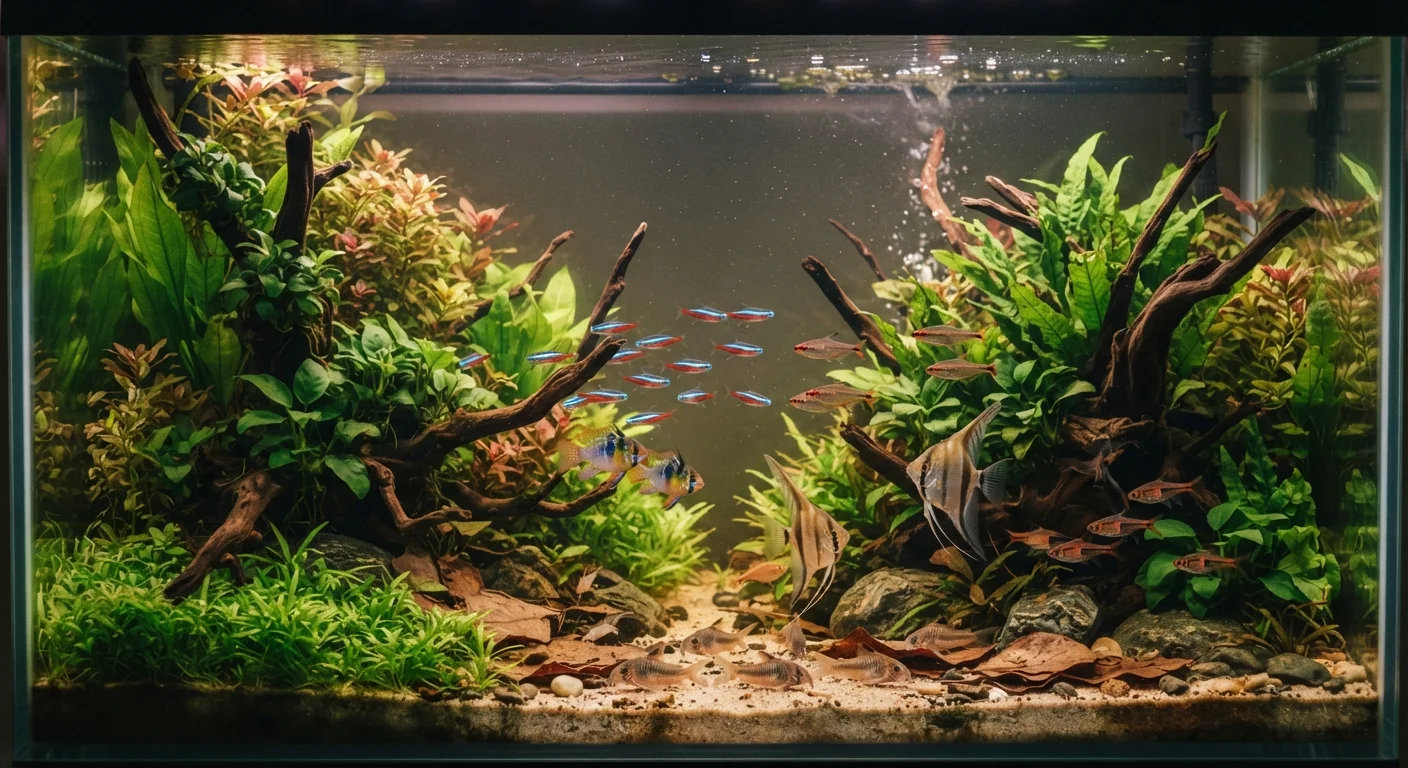
Photo: ResultsExplorer.com | Top Blogs For Everyone editorial
Key Takeaways
- Matching water temperature, pH, and hardness requirements is the first step to compatible tankmates.
- Aggressive or territorial species can stress or injure peaceful fish, even in large tanks.
- Schooling fish like tetras and rasboras thrive in groups and rarely bother other community species.
- Goldfish should generally not share tanks with tropical fish due to different temperature needs.
- Bottom-dwellers like corydoras catfish fill ecological niches without competing with mid-water swimmers.
- Research each species' adult size, temperament, and diet before adding them to an established tank.
Why Compatibility Matters More Than You Think
Choosing tankmates based on looks alone is one of the most common mistakes new aquarium keepers make. Even in a spacious tank, the wrong pairing can result in chronic stress, fin damage, starvation, or death — often before the keeper realizes something is wrong. Fish communicate distress through behavior, not sound, so problems can escalate quietly.
Compatibility hinges on several overlapping factors: water chemistry preferences, temperature range, adult size, aggression level, diet, and swimming zone. A species that thrives at 78°F in soft, acidic water will not do well paired with a coldwater fish that prefers harder, more alkaline conditions. Similarly, a highly territorial cichlid will harass a timid schooling fish regardless of tank size. If you're just getting started, our guide to setting up a freshwater aquarium covers how to cycle and stock a tank correctly from day one.
The list below covers reliable community pairings and combinations to avoid, organized so you can make informed decisions before purchasing any new fish.
Neon Tetras + Harlequin Rasboras
Both species are small, peaceful mid-water swimmers that prefer soft, slightly acidic water (pH 6.5–7.0) and temperatures between 72°F and 78°F. They pose no threat to each other and create a visually dynamic tank when kept in schools of six or more each. Neither species is territorial, and their similar dietary needs — small flakes and micro-pellets — make feeding straightforward.
Avoid pairing either with larger, nippy species like tiger barbs, which will target their flowing fins and smaller bodies.
Schooling tetras and rasboras share water parameters and peaceful temperaments, making them an ideal pairing.
Corydoras Catfish + Nearly Any Peaceful Community Fish
Corydoras are armored, bottom-dwelling catfish that spend most of their time sifting the substrate for food scraps. They occupy a completely different swimming zone than most community fish, so competition and aggression are minimal. They are compatible with tetras, rasboras, guppies, mollies, and many livebearers, as long as water temperature falls within the 72°F–78°F range they prefer.
Keep corydoras in groups of at least four to six — they are social fish that exhibit stress and reduced activity when kept alone. Avoid housing them with aggressive bottom-dwellers like larger loaches that may bully them at feeding time.
Corydoras fill the bottom zone of a community tank without competing with mid-water or surface swimmers.
Betta Fish + Snails or Peaceful Bottom-Dwellers
Bettas are frequently misrepresented as community fish. Male bettas are highly territorial toward other males and will attack any fish that resembles them — brightly colored, long-finned species are especially at risk. However, bettas can coexist peacefully with mystery snails, nerite snails, and certain bottom-dwellers like pygmy corydoras in tanks of at least ten gallons with adequate cover.
Avoid pairing bettas with guppies (whose flowing tails trigger aggression), tiger barbs (known fin-nippers), or any other betta. Female bettas may coexist in a carefully managed sorority, but this setup requires specific conditions and close observation.
Bettas can live peacefully with snails and non-threatening bottom-dwellers, but most flashy or nippy fish are poor matches.
Goldfish + Goldfish (and Little Else)
Goldfish are coldwater fish that thrive between 65°F and 72°F and produce significantly more ammonia waste than most tropical species. Pairing them with tropical fish creates an impossible compromise: the water temperature that suits goldfish chills tropical fish into immune suppression, while warmer settings stress goldfish and accelerate disease. Our article on goldfish biology explores why these fish have far more specific needs than their reputation suggests.
Within a coldwater setup, goldfish generally coexist well with other goldfish of similar size. White cloud mountain minnows are one of the few small species that tolerate similar temperatures, though goldfish may attempt to eat very small tankmates as they grow.
Goldfish belong in coldwater tanks with other coldwater species — not mixed with tropical fish.
African Cichlids + Each Other (With Caution)
African cichlids from Lake Malawi and Lake Tanganyika are aggressive, territorial, and active — qualities that make them incompatible with nearly all peaceful community fish. They do, however, often coexist with other African cichlids of similar size and aggression level when the tank is large enough (75 gallons or more), heavily stocked to distribute aggression, and structured with caves and rockwork to break sightlines.
The key risk is keeping too few fish: dominant individuals will single out and relentlessly harass subordinates. Mixing cichlids from different African rift lakes is generally not recommended, as their water chemistry preferences differ meaningfully.
African cichlids need large, heavily decorated tanks and carefully matched tankmates from compatible species groups.
Pairings That Reliably Fail
Some combinations appear frequently in pet stores but are consistently problematic:
- Oscar cichlids + small tetras or guppies: Oscars are large, predatory cichlids. Any fish that fits in their mouth will eventually be eaten.
- Red-tailed sharks + other bottom-dwellers: Red-tailed sharks are highly territorial on the substrate and will aggressively chase corydoras, loaches, and other species that share their zone.
- Fancy goldfish + common goldfish: Common goldfish are faster swimmers and more competitive feeders, often outcompeting fancy varieties for food, which leads to malnourishment in the slower fish.
- Tiger barbs in small groups: Tiger barbs kept in groups of fewer than six turn their fin-nipping aggression on tankmates rather than each other. They need larger schools to redirect that energy internally.
Many common pet-store pairings — like oscars with small tetras — are predator-prey scenarios, not community setups.
Building a Tank That Works Long-Term
The pairings above illustrate a central truth: compatibility is a system, not a checklist. Adding fish gradually — rather than all at once — allows you to monitor behavior and catch aggression early. Introducing new fish at night, after lights-out, can reduce territorial responses from established residents.
Introduce New Fish Gradually
Keep a notebook or digital log of each species in your tank, including its preferred water parameters and observed behavior. This makes it far easier to diagnose problems and plan future additions responsibly. When in doubt, consult your local aquatic specialist or a reputable fishkeeping resource before purchasing.
The content provided on our blog site traverses numerous categories, offering readers valuable and practical information. Readers can use the editorial team’s research and data to gain more insights into their topics of interest. However, they are requested not to treat the articles as conclusive. The website team cannot be held responsible for differences in data or inaccuracies found across other platforms. Please also note that the site might also miss out on various schemes and offers available that the readers may find more beneficial than the ones we cover.