
Setting Up a Freshwater Aquarium for the First Time

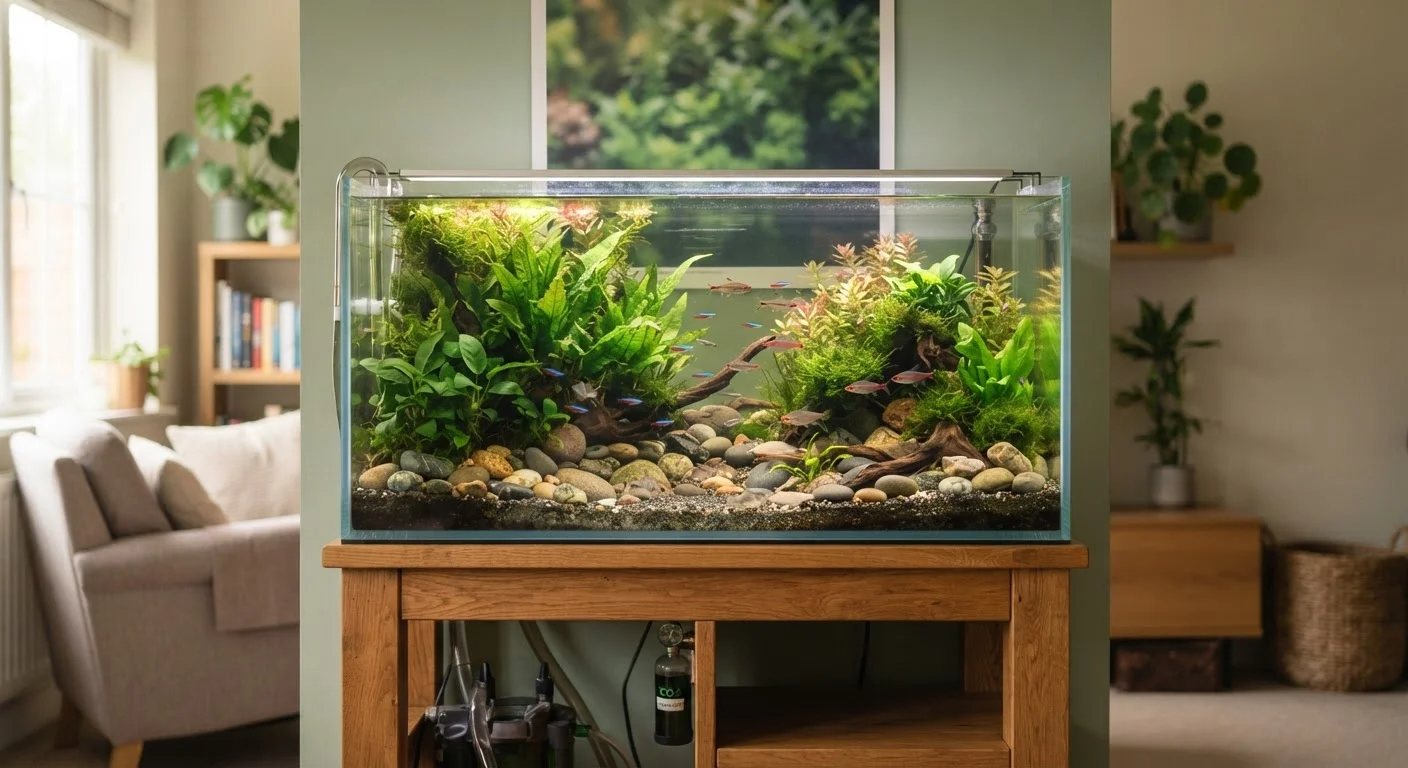
Photo: ResultsExplorer.com | Top Blogs For Everyone editorial
Key Takeaways
- A larger tank is more forgiving for beginners — 20 gallons is a practical starting size.
- The nitrogen cycle must complete before adding fish, typically taking 4–6 weeks.
- Filtration, a heater, and a water test kit are non-negotiable pieces of equipment.
- Overstocking is one of the most common and harmful beginner mistakes.
- Weekly partial water changes of 25–30% are the cornerstone of long-term tank health.
Choosing the Right Tank and Equipment
The instinct to start small is understandable, but a 10-gallon nano tank actually makes water chemistry harder to manage. A 20-gallon tank gives you a more stable environment — small ammonia spikes dilute more readily in greater water volume, which matters enormously during the early weeks. Choose a tank that comes with a fitted lid to reduce evaporation and prevent fish from jumping out.
Core equipment every new aquarist needs:
- Filter: A hang-on-back or canister filter rated for your tank size. Filtration drives beneficial bacteria colonies, which are essential for water safety.
- Heater: A submersible adjustable heater for tropical species. Aim for one rated at 3–5 watts per gallon.
- Thermometer: A simple stick-on or digital thermometer to monitor temperature daily.
- Water test kit: A liquid reagent kit that measures ammonia, nitrite, nitrate, and pH. Strip tests exist but are less reliable.
- Dechlorinator: A water conditioner to neutralize chlorine and chloramines in tap water before it enters the tank.
Position the tank away from direct sunlight — algae thrives in bright light — and on a sturdy, level surface rated to hold the filled weight (roughly 10–12 lbs per gallon).
Nitrogen cycle
The biological process by which fish waste is converted from toxic ammonia into less harmful nitrate by beneficial bacteria living in the filter and substrate.
Ammonia
A toxic compound produced by fish waste and decaying organic matter. Even low concentrations stress or kill fish, making its removal the primary goal of cycling.
Bioload
The total amount of waste produced by the living organisms in a tank. More fish, larger fish, and overfeeding all increase bioload.
Dechlorinator
A water conditioner that neutralizes chlorine and chloramines in tap water, making it safe for fish before it enters the tank.
Cycling
The process of establishing a colony of beneficial bacteria in a new tank so it can safely process fish waste. Typically takes 4–6 weeks before fish are added.
Nitrate
The end product of the nitrogen cycle. It is far less toxic than ammonia or nitrite but must be controlled through regular water changes to prevent long-term harm.
The Nitrogen Cycle: Why It Matters Before Any Fish Go In
The single most important concept in freshwater fishkeeping is the nitrogen cycle. Fish produce waste that breaks down into ammonia — a compound toxic even in small concentrations. Beneficial bacteria colonize your filter media and convert ammonia first into nitrite (also toxic) and then into nitrate, which is far less harmful at low levels. This process is called cycling the tank.
To cycle a new tank:
- Set up all equipment and fill with dechlorinated water.
- Add an ammonia source — pure ammonia drops, fish food, or a small piece of raw shrimp — to feed developing bacteria.
- Test water every few days. You will first see ammonia rise, then nitrite spike, then both fall as nitrate climbs.
- Once ammonia and nitrite both read 0 ppm and nitrate is detectable, the cycle is complete.
This typically takes 4–6 weeks. Adding fish before cycling is complete exposes them to toxic ammonia and is one of the leading causes of early fish deaths. Patience here directly determines your success.
Speed Up Cycling with Seeded Media
Setting Up Substrate, Plants, and Décor
Substrate — the material lining the tank floor — serves both aesthetic and biological roles. Gravel (2–3 mm grain) is beginner-friendly and easy to vacuum during water changes. Fine sand suits bottom-dwelling fish like corydoras catfish but requires more care to avoid compaction and anaerobic pockets.
Live plants genuinely improve water quality by absorbing ammonia and nitrates and competing with algae for nutrients. Hardy beginner species include Anubias, Java fern, and Vallisneria — all tolerant of a wide range of conditions and low-light environments. Artificial plants and ornaments are a valid, low-maintenance alternative.
Décor isn't just decorative — it provides shelter and reduces stress for fish. Include hiding spots such as caves, driftwood, or dense planting. Avoid sharp-edged ornaments that can tear fins, and rinse everything thoroughly before placing it in the tank.
Stocking Your Tank Responsibly
Once your cycle is complete, resist the urge to add many fish at once. Introduce fish gradually — a few at a time over several weeks — so your biological filter can adjust to the increasing bioload.
Research every species before purchasing. Consider:
- Adult size: A fish sold at 1 inch may reach 6 inches. Many beginners are surprised by growth rates.
- Temperament: Some species are peaceful community fish; others are territorial or predatory.
- Water parameters: pH, hardness, and temperature requirements must overlap for species you plan to keep together.
Good beginner community fish include neon tetras, platies, mollies, and corydoras catfish. For a deeper look at which species coexist peacefully, see which freshwater species make good tankmates before finalizing your stocking plan.
If you've recently set up another living environment for a pet, such as bringing a dog home for the first time, you'll recognize a familiar principle: preparation and patience before introduction always pays off.
Ongoing Maintenance and Water Quality
A consistent maintenance routine is what separates thriving tanks from failing ones. Build the following into a weekly schedule:
- 25–30% partial water change: Siphon the substrate while removing water to pull out settled waste, then refill with dechlorinated water matched to the tank temperature.
- Water testing: Check ammonia, nitrite, nitrate, and pH weekly for the first few months, then at least bi-weekly once chemistry is stable.
- Filter maintenance: Rinse filter media in removed tank water (never tap water, which kills beneficial bacteria) when flow noticeably decreases — typically every 4–6 weeks.
- Glass cleaning: Use an algae scraper or magnetic cleaner on the inside glass before water changes so loosened algae is removed with the siphoned water.
Consistent small efforts prevent the large problems — disease outbreaks, ammonia spikes, and fish loss — that discourage many beginners from continuing the hobby. Track your water parameters in a simple log to catch trends early.
Never Use Tap Water Without Treating It First
Frequently Asked Questions
The content provided on our blog site traverses numerous categories, offering readers valuable and practical information. Readers can use the editorial team’s research and data to gain more insights into their topics of interest. However, they are requested not to treat the articles as conclusive. The website team cannot be held responsible for differences in data or inaccuracies found across other platforms. Please also note that the site might also miss out on various schemes and offers available that the readers may find more beneficial than the ones we cover.