
Reptile Lighting Explained: UVB, Heat, and Why Both Matter

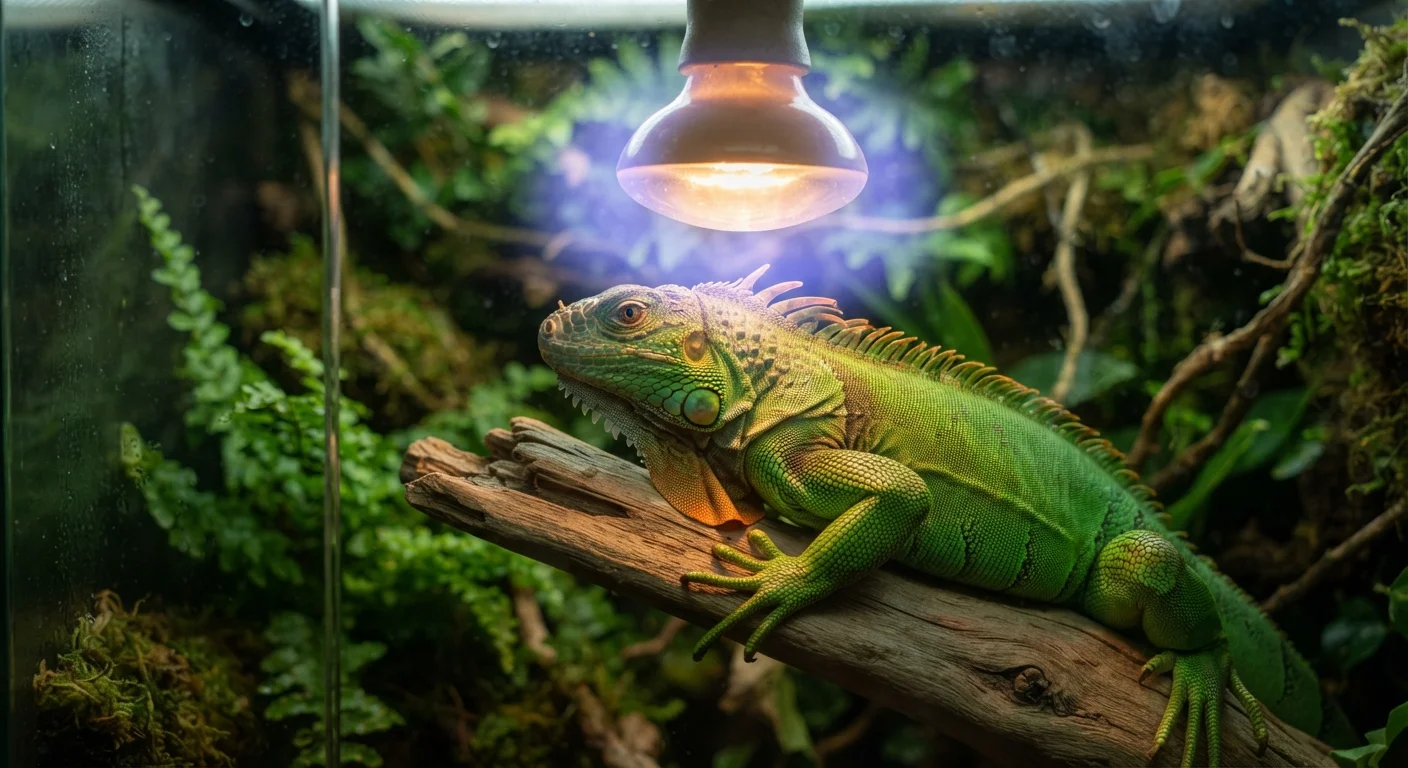
Photo: ResultsExplorer.com | Top Blogs For Everyone editorial
Key Takeaways
- UVB light and heat are separate requirements that serve entirely different biological functions in reptiles.
- Without UVB exposure, many reptiles cannot synthesize vitamin D3, leading to metabolic bone disease.
- Heat lamps create the thermal gradient reptiles need to regulate their internal body temperature.
- A single bulb rarely provides adequate UVB and heat simultaneously — most setups require both lamp types.
- Lighting needs vary significantly between species, so research your specific reptile before setting up an enclosure.
- UVB bulbs lose effectiveness before they visually burn out and should be replaced on a regular schedule.
Why Reptiles Have Unique Lighting Needs
Unlike mammals, reptiles are ectothermic — meaning they rely on external sources to regulate their body temperature rather than generating heat internally. In the wild, the sun serves a dual role: it warms their bodies and exposes them to ultraviolet radiation. Inside a home enclosure, replicating those two functions requires deliberate, species-appropriate lighting.
Many first-time reptile owners assume any bright bulb will meet these needs. In practice, visible light, UVB radiation, and heat are three distinct outputs, and standard lighting products rarely deliver all of them at the levels reptiles require. Getting this wrong is one of the most common — and most preventable — sources of long-term health problems in captive reptiles.
UVB Is Not the Same as Visible Light
What UVB Light Does and Why It Matters
UVB refers to ultraviolet-B radiation, a portion of the sun's spectrum that is invisible to the human eye. When UVB rays contact a reptile's skin, they trigger the synthesis of vitamin D3 — a hormone precursor that controls how the body absorbs and uses calcium. Without adequate vitamin D3, even a calcium-rich diet cannot prevent deficiency.
The result of chronic UVB deficiency is metabolic bone disease (MBD), a debilitating condition that causes skeletal deformities, muscle weakness, and fractures. MBD is unfortunately common in captive reptiles kept under inadequate lighting. Bearded dragons, chameleons, tortoises, and many other diurnal (daytime-active) species are particularly vulnerable. For a detailed breakdown of how these needs apply to one popular species, see our complete bearded dragon care guide.
UVB bulbs come in several forms, including linear fluorescent tubes, compact fluorescent bulbs, and mercury vapor bulbs. Each has different output strengths, coverage areas, and lifespans. The correct choice depends on enclosure size, the species' natural solar environment, and the distance between the lamp and the basking zone.
30–50%
UVB blocked by standard mesh screens
Research on reptile enclosure UVB transmission shows that common aluminum and fiberglass mesh can reduce ultraviolet output by roughly 30–50%, affecting lamp placement decisions.
6–12 months
Typical effective lifespan of fluorescent UVB bulbs
Most reptile UVB bulb manufacturers recommend replacement within 6 to 12 months even when bulbs remain visibly functional, as UV output degrades substantially before the bulb stops glowing.
~90%
Of reptile D3 synthesis triggered by UVB
Veterinary nutritionists note that for most reptiles, UVB-driven skin synthesis is the primary and most efficient route to vitamin D3, with dietary supplementation playing a secondary supporting role.
The Role of Heat Lamps in Reptile Health
Heat lamps serve an entirely different purpose than UVB sources. They create the warm basking zones that allow reptiles to raise their core body temperature — a process called thermoregulation. In the wild, a lizard might bask on a sun-warmed rock in the morning to jump-start its metabolism, then retreat to shade when it needs to cool down.
Inside an enclosure, heat lamps replicate this by creating a thermal gradient: a warm basking spot at one end and a cooler ambient zone at the other. This gradient is not optional — without it, reptiles cannot properly digest food, mount an immune response, or regulate their activity cycles. A reptile kept at a uniformly incorrect temperature is a reptile under constant physiological stress.
Basking bulbs, ceramic heat emitters, and radiant heat panels are common options. Each delivers heat differently, and the right choice depends on whether you also need light output during the day or heat-only support at night.
Verify Temperatures With a Thermometer
Setting Up Lighting Correctly for Your Reptile
Because UVB and heat serve separate functions, most enclosures require at least two light sources. A typical setup positions a UVB tube or bulb to cover the basking area and a significant portion of the enclosure, while a separate basking bulb provides focused heat at the correct temperature for the species.
Key setup considerations include:
- Distance matters: UVB intensity drops sharply with distance. Manufacturer guidelines will specify effective output ranges. Mesh screens between the bulb and the reptile can also block a significant portion of UVB radiation.
- Photoperiod: Reptiles also need a regular light/dark cycle. Most diurnal species thrive on roughly 12–14 hours of light in summer and 10–12 in winter, mimicking natural seasonal variation.
- Bulb replacement schedule: UVB output degrades before a bulb visually fails. Mark replacement dates on the enclosure or use a UV meter to monitor output.
Because lighting requirements vary considerably between desert species, rainforest species, and semi-aquatic turtles, always research the specific UVI range and temperature gradients documented for your animal. A reptile-experienced veterinarian is the best resource for confirming that your setup meets your pet's needs.
This article is for general educational purposes only and is not a substitute for advice from a qualified veterinarian familiar with your specific animal.
Frequently Asked Questions
The content provided on our blog site traverses numerous categories, offering readers valuable and practical information. Readers can use the editorial team’s research and data to gain more insights into their topics of interest. However, they are requested not to treat the articles as conclusive. The website team cannot be held responsible for differences in data or inaccuracies found across other platforms. Please also note that the site might also miss out on various schemes and offers available that the readers may find more beneficial than the ones we cover.