
Caring for a Bearded Dragon: Everything an Owner Needs to Know

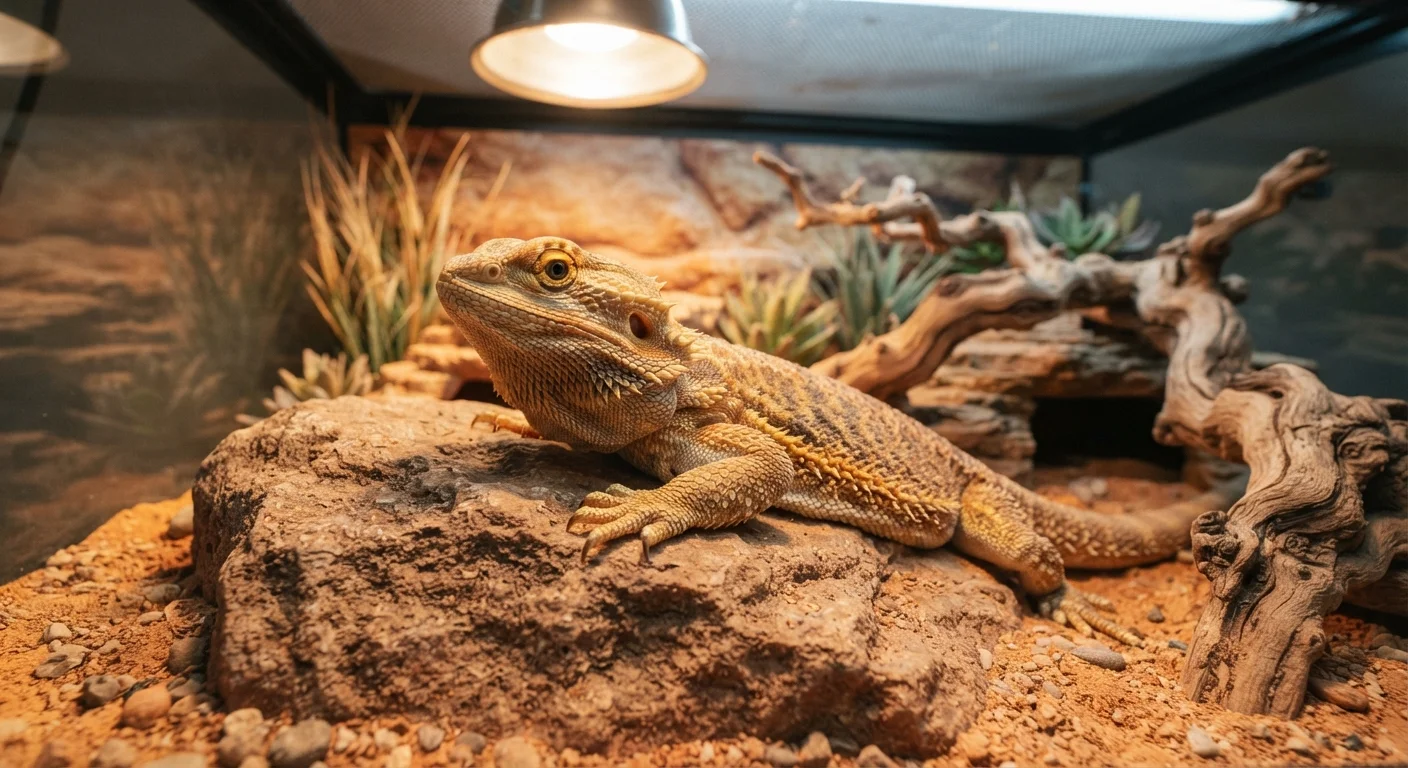
Photo: ResultsExplorer.com | Top Blogs For Everyone editorial
Key Takeaways
- Bearded dragons need a 40–75 gallon enclosure with a steep temperature gradient from basking to cool side.
- UVB lighting is non-negotiable — without it, metabolic bone disease is a serious risk.
- Juveniles eat mostly insects; adults shift toward a majority leafy-green diet.
- Daily handling builds tameness, but always read your dragon's body language for stress signals.
- Regular veterinary checkups with a reptile-experienced vet are essential, not optional.
Understanding the Bearded Dragon
Pogona vitticeps, commonly called the inland or central bearded dragon, is native to the arid woodlands and scrublands of Australia. In the United States, all bearded dragons kept as pets are captive-bred — export from Australia has been banned since the 1960s. Their reputation as calm, handleable reptiles has made them one of the most popular lizard species in American homes.
Adults typically reach 18–24 inches from snout to tail tip and live 10–15 years with attentive care. They are diurnal (active during daylight hours), which means their care schedule aligns naturally with a human household's routine. Unlike nocturnal geckos, beardies are awake when you are — making interaction straightforward and rewarding.
Before committing, prospective owners should understand that bearded dragons require daily feeding, precise environmental control, and periodic veterinary attention. They are not low-maintenance pets, but their responsiveness to consistent care makes the investment worthwhile.
Setting Up the Enclosure
A single adult bearded dragon needs a minimum 75-gallon glass or PVC enclosure. Juveniles under six months can start in a 40-gallon tank, but plan to upgrade — cramped quarters impair thermoregulation and stress young animals. Longer is preferable to taller, since beardies are ground dwellers.
Substrate choices include reptile carpet, ceramic tile, or paper towels — all easy to clean and unlikely to be accidentally ingested. Loose particle substrates (fine sand, calcium sand) carry impaction risk, particularly for juveniles, and are generally not recommended by reptile veterinarians for enclosure flooring.
Furnish the enclosure with flat rocks for basking, hides on the cool side, and some low climbing branches. Avoid décor with sharp edges. A secure mesh lid is essential — both for ventilation and to prevent escapes.
Plan Your Enclosure Before the Dragon Arrives
Lighting, Heating, and Humidity
This section is where bearded dragon care demands the most precision. Get these parameters wrong and health problems follow quickly.
Temperature Gradient
- Basking spot: 100–110°F for juveniles, 95–105°F for adults
- Cool side: 80–85°F daytime, no lower than 65°F at night
Use a digital probe thermometer or infrared temperature gun — stick-on dial thermometers are notoriously inaccurate. A thermostat-controlled basking bulb or ceramic heat emitter maintains consistent temps safely.
UVB Lighting
Bearded dragons require high-output UVB radiation to synthesize vitamin D3 and absorb calcium. A T5 HO fluorescent or high-output LED UVB tube rated for desert species (10.0 or equivalent) should span at least two-thirds of the enclosure length. Replace bulbs every 6–12 months per manufacturer guidance — UVB output degrades before visible light does. Without adequate UVB, metabolic bone disease (MBD), a debilitating and painful skeletal disorder, is a near-certain outcome.
Photoperiod and Humidity
Provide 12–14 hours of light in summer, 10–12 hours in winter to reflect natural seasonal variation. Humidity should remain between 30–40%. High humidity promotes respiratory infections. A digital hygrometer helps you monitor this easily.
UVB Failure Is the Leading Preventable Cause of Illness
Diet and Nutrition
Bearded dragons are omnivores with nutritional needs that shift significantly as they age. For a broader look at reptile dietary principles, see our species-by-species nutrition overview.
Juveniles (0–12 months)
Young dragons grow rapidly and need roughly 70% insects and 30% plant matter by volume. Offer appropriately sized dubia roaches or crickets (no larger than the space between the dragon's eyes) two to three times daily. Dust feeders with calcium powder at most feedings and a multivitamin supplement once or twice weekly.
Adults (12+ months)
Adults reverse the ratio — approximately 70% leafy greens and vegetables, 30% insects. Collard greens, mustard greens, dandelion greens, and squash are excellent staples. Avoid spinach, kale (in large amounts), and iceberg lettuce. Offer feeder insects two to three times per week rather than daily.
Foods to Avoid
- Fireflies and any bioluminescent insects — toxic to bearded dragons
- Avocado, rhubarb, onions — toxic
- Wild-caught insects — pesticide and parasite risk
Fresh water should be available in a shallow dish and refreshed daily. Beardies may rarely drink from a bowl but benefit from occasional light misting of greens or a brief lukewarm soak two to three times per week.
Rotate your dragon's leafy greens weekly to prevent nutritional monotony and ensure a broader micronutrient profile. Variety across collard greens, dandelion greens, endive, and turnip greens is more beneficial than relying on a single staple.
Gut-load feeder insects for at least 24 hours before offering them to your dragon. Use dark leafy greens and squash — the insect's nutritional content at the time of feeding is passed directly to your reptile.
Handling and Socialization
One of the bearded dragon's most appealing traits is genuine tolerance — and often enjoyment — of human interaction. That said, trust is built gradually, not assumed.
During the first one to two weeks after bringing a new dragon home, limit handling to short, calm sessions of five minutes or fewer while the animal adjusts to its new environment. After that settling-in period, daily handling sessions of 15–30 minutes reinforce tameness and reduce stress responses over time.
Always approach from the side rather than above — overhead movement triggers a prey-animal fear response. Support the full body when lifting, never restrain by the tail. Watch for stress signals: a darkened beard, puffing, gaping mouth (outside of basking), or rapid color darkening on the body indicate the animal is uncomfortable. Return it to the enclosure calmly when these signs appear.
Unlike dogs or cats, beardies do not seek affection in a conventional sense, but many habituated individuals will sit calmly on a warm lap or shoulder for extended periods. Compared to the social needs of a newly arrived dog — see bringing a dog home for the first time — beardies are generally less demanding of constant interaction while still being highly rewarding companions.
Health, Shedding, and Vet Care
Bearded dragons shed their skin periodically — juveniles may shed every few weeks during growth spurts; adults shed less frequently, sometimes just a few times per year. During a shed, the skin dulls and may appear gray. Avoid peeling stuck shed (dysecdysis); instead, offer a lukewarm soak to soften skin. Persistent shed around toes or tail tip can restrict circulation and warrants veterinary attention.
Common Health Concerns
- Metabolic Bone Disease (MBD): Caused by UVB deficiency or calcium imbalance. Signs include soft jaw, tremors, and limb deformities.
- Parasites: Internal parasites (particularly pinworms and coccidia) are common. Annual fecal exams by a reptile vet are strongly recommended.
- Respiratory infections: Often linked to excessive humidity or cold temperatures. Signs include wheezing, mucus, and labored breathing.
- Impaction: Blockage from ingested substrate or oversized feeders. Symptoms include lethargy and straining without defecation.
Establish care with a veterinarian experienced in reptile medicine before any problems arise. Not all small-animal vets are trained in reptile diagnostics. A baseline wellness exam within the first few weeks of ownership gives you a health record and a relationship with a provider who can advise you accurately. Just as new homeowners benefit from understanding their home's systems before problems arise — as outlined in resources like what every new homeowner should know in the first year — proactive planning beats reactive scrambling in animal care too.
This article provides general educational information about bearded dragon care and is not a substitute for advice from a qualified reptile veterinarian. Always consult a licensed vet for health concerns specific to your animal.
The content provided on our blog site traverses numerous categories, offering readers valuable and practical information. Readers can use the editorial team’s research and data to gain more insights into their topics of interest. However, they are requested not to treat the articles as conclusive. The website team cannot be held responsible for differences in data or inaccuracies found across other platforms. Please also note that the site might also miss out on various schemes and offers available that the readers may find more beneficial than the ones we cover.