
Small Pet Nutrition: A Species-by-Species Overview

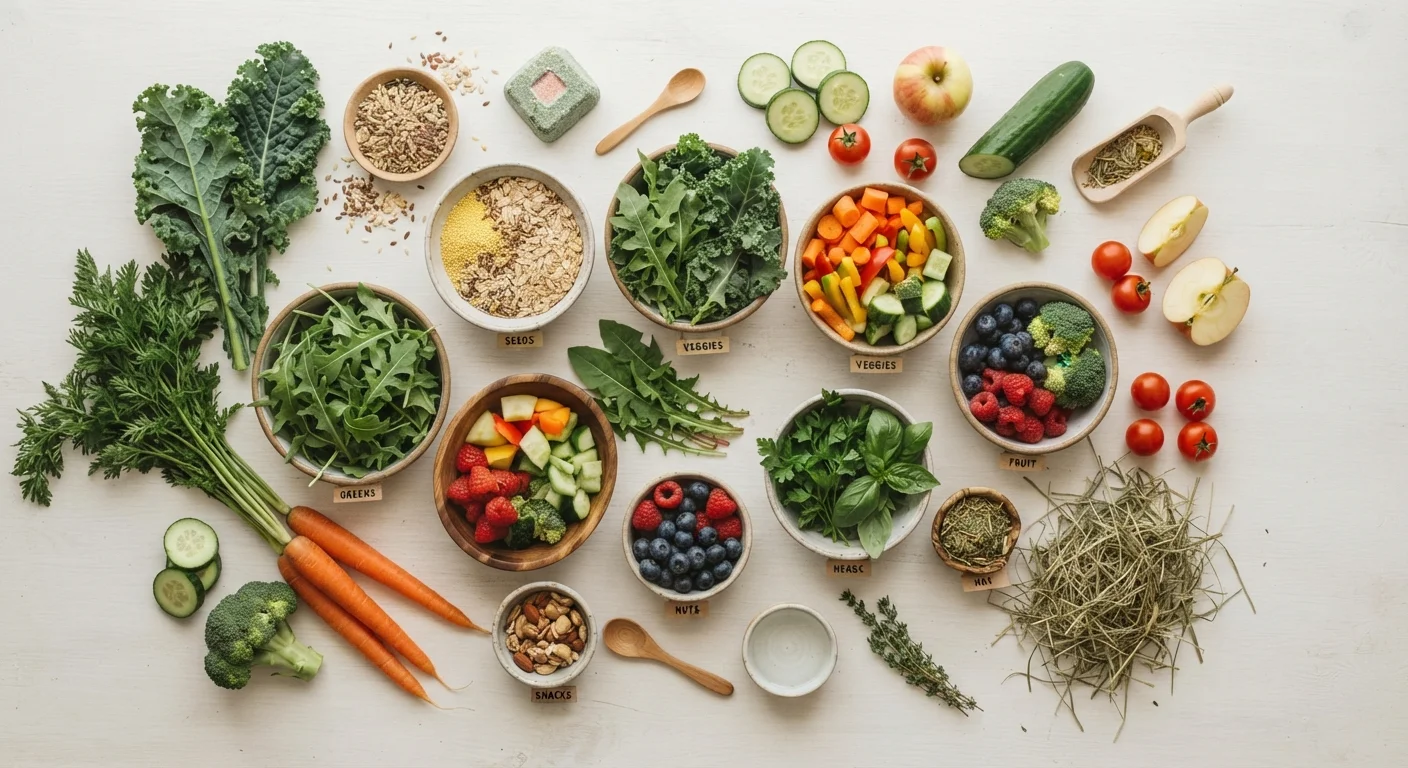
Photo: ResultsExplorer.com | Top Blogs For Everyone editorial
Why Species-Specific Nutrition Matters
Lumping small pets into a single dietary category is one of the most common mistakes new owners make. A rabbit's digestive system is built around continuous fiber intake; a bearded dragon needs precise ratios of animal protein and plant matter; a guinea pig cannot synthesize its own vitamin C. These are not minor details — they are the difference between a thriving pet and a chronically unwell one.
This reference guide covers the core dietary requirements of five common small and specialty pet groups: rabbits, guinea pigs, hamsters, pet birds, and reptiles. Use it as a starting point, and always consult an exotic animal or small-pet veterinarian for guidance tailored to your specific animal. See our readiness checklist before adopting any small animal to ensure you can meet its dietary and care needs.
Rabbits and Guinea Pigs: Herbivores With Different Demands
Rabbits
Rabbits are obligate herbivores whose digestive health depends almost entirely on unlimited access to grass hay — timothy, orchard grass, or meadow hay. Hay should constitute roughly 80–85% of their diet. It provides the long-strand fiber that keeps the gut motile and prevents life-threatening GI stasis. Fresh leafy greens (romaine lettuce, cilantro, leafy herbs) can supplement daily intake, while pellets — if offered at all — should be plain, high-fiber, and limited in quantity. Starchy treats, fruit, and sugary vegetables should be rare extras, not staples. Learn more about the environment your rabbit needs in our rabbit housing guide.
Guinea Pigs
Like rabbits, guinea pigs are herbivores requiring unlimited timothy hay. The critical difference: guinea pigs are among the few mammals, alongside humans, that cannot produce their own vitamin C. A deficiency leads to scurvy within weeks. Fresh bell pepper, leafy greens, and parsley are reliable dietary sources. Commercially prepared pellets formulated with stabilized vitamin C help bridge the gap, though the vitamin degrades quickly once packaging is opened. Avoid relying solely on water-soluble vitamin drops, which lose potency rapidly.
GI stasis
A potentially life-threatening condition in rabbits and guinea pigs where the digestive system slows or stops moving. It is most commonly caused by insufficient dietary fiber and requires prompt veterinary attention.
Gut-loading
The practice of feeding nutritious food to live feeder insects (such as crickets or mealworms) before offering them to a reptile or bird, so those nutrients are transferred to the animal that eats them.
Obligate herbivore
An animal that must eat only plant matter to survive and cannot properly digest or derive adequate nutrition from animal-based foods.
Metabolic bone disease
A group of skeletal disorders in reptiles caused by calcium deficiency, phosphorus imbalance, or insufficient vitamin D3. It leads to weakened or deformed bones and is largely preventable through correct diet and lighting.
Vitamin C (ascorbic acid)
An essential nutrient that guinea pigs and humans cannot synthesize internally. It must be consumed through food daily; deficiency leads to scurvy, causing weakness, joint pain, and poor wound healing.
Dusting
Coating feeder insects or vegetables with a powdered supplement — typically calcium carbonate with or without vitamin D3 — before feeding them to reptiles or birds to correct nutritional gaps in captive diets.
Hamsters and Pet Birds: Opportunistic and Species-Variable
Hamsters
Hamsters are omnivores, not seed-only feeders — a common misconception. In the wild, they consume grains, vegetables, and insects. A balanced captive diet includes a high-quality hamster mix or pellet as a base, supplemented with small amounts of fresh vegetables, and occasional protein sources such as a tiny piece of cooked egg or mealworm. Seed-only mixes allow selective feeding: hamsters often pick out high-fat seeds and leave the rest, leading to nutritional imbalance. Fresh water should always be available. For guidance on the first days with a new hamster, visit our hamster settling-in guide.
Pet Birds
Nutritional needs vary considerably by species. Budgerigars (budgies) and cockatiels thrive on a base of quality pellets supplemented with fresh vegetables and limited seed. Seed-only diets are widely associated with fatty liver disease in these species. Parrots have more complex requirements and benefit from a diverse diet that includes cooked legumes, grains, and a wide range of vegetables. Many fruit-eating species also need appropriate sugars from whole fruit rather than processed sources. For all pet birds, avocado, chocolate, onion, and caffeine are toxic and must be kept out of reach entirely. See how nutrition pairs with enrichment in our parrot enrichment article.
Reptiles: Carnivores, Herbivores, and Everything In Between
Reptile nutrition is among the most complex in the small-pet world because needs vary not just by species but by life stage. A juvenile bearded dragon may eat 60–70% live insects, while an adult shifts toward a majority plant-based diet. Leopard geckos are insectivores throughout their lives. Green iguanas are strict herbivores. Getting the balance wrong contributes to metabolic bone disease, obesity, and organ failure.
Two concepts apply to nearly all insect-feeding reptiles:
- Gut-loading: Feeding nutritious food to feeder insects 24–48 hours before offering them to your reptile, so the insect passes that nutrition on.
- Dusting: Coating feeder insects in calcium and vitamin D3 powder to compensate for what captive lighting cannot fully provide.
UVB lighting is not a dietary component, but it directly affects how reptiles metabolize dietary calcium — meaning enclosure setup and diet are inseparable. For a detailed breakdown of one popular species, see our bearded dragon care guide. Always work with a reptile-knowledgeable veterinarian to dial in the correct supplementation schedule for your specific animal.
This article provides general information for educational purposes only and is not a substitute for advice from a qualified exotic animal or small-pet veterinarian.
The content provided on our blog site traverses numerous categories, offering readers valuable and practical information. Readers can use the editorial team’s research and data to gain more insights into their topics of interest. However, they are requested not to treat the articles as conclusive. The website team cannot be held responsible for differences in data or inaccuracies found across other platforms. Please also note that the site might also miss out on various schemes and offers available that the readers may find more beneficial than the ones we cover.