
Before You Get a Small Pet: A Readiness Checklist

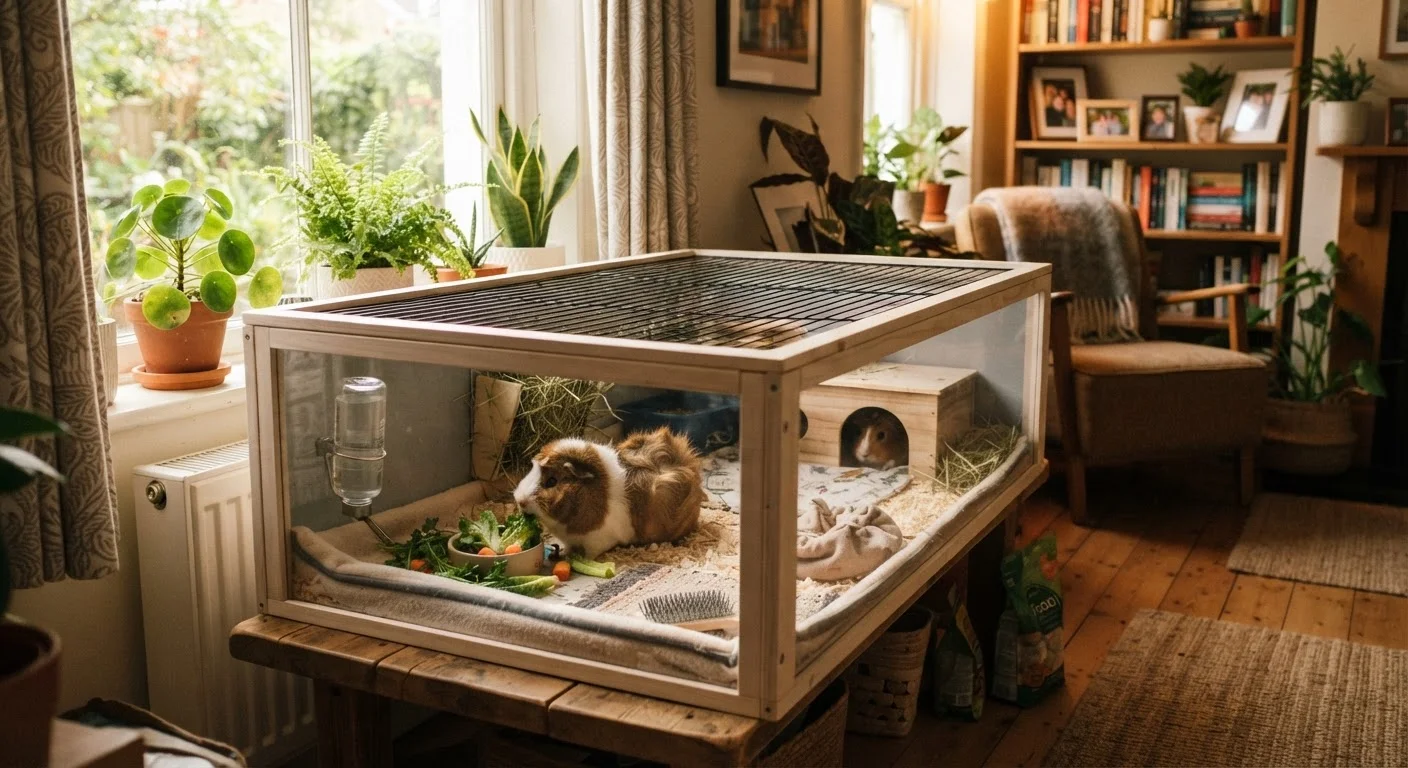
Photo: ResultsExplorer.com | Top Blogs For Everyone editorial
Key Takeaways
- Small pets still require significant time, money, and specialized care — they are not low-effort pets.
- Housing setup must match the specific species you plan to adopt, not just a generic cage.
- Access to an exotic or small-animal veterinarian should be confirmed before bringing a pet home.
- Daily care routines, lifespan, and social needs vary widely between species.
- Unexpected veterinary costs are common; a financial cushion is strongly recommended.
Why Small Pets Still Demand Big Preparation
Hamsters, guinea pigs, rabbits, rats, birds, and reptiles are often marketed as "starter pets" or easy alternatives to dogs and cats — but this framing can mislead first-time owners. Many small and specialty animals have highly specific habitat requirements, dietary needs, and social structures that, when unmet, lead to chronic stress or illness. Our guide to stress signals in small animals illustrates just how easily distress can go unnoticed.
Working through this checklist before you adopt gives you a clear picture of what daily life with your chosen species actually looks like — and helps you spot any gaps before they become problems for the animal in your care.
Species care guide (written by a vet or accredited welfare organization)
Provides accurate, species-specific baselines for housing, diet, and health to compare against your current readiness.
Exotic or small-animal veterinarian contact
Confirms you have professional health support in place before the animal arrives home.
Notepad or digital checklist app
Helps you track which checklist items are complete and flag items still requiring action.
Monthly budget worksheet
Used to calculate realistic ongoing costs including food, bedding, routine vet visits, and an emergency fund.
Using This Checklist
Move through each group in order. Items marked must are non-negotiable: they represent the foundational commitments any responsible small pet owner needs to have in place. Items marked should are strongly recommended and will significantly improve your pet's welfare. Nice-to-have items are enhancements worth pursuing once the basics are covered.
If you find yourself unable to check off any must item, pause your adoption plans until that gap is resolved. Unlike preparation for larger companion animals — see our articles on bringing a dog home for the first time and bringing a cat home for the first time — small pet readiness often involves less visible but equally important groundwork.
Species Research & Commitment
Housing & Environment
Time & Daily Care
Veterinary Access & Health Planning
Financial Readiness
Species Research: The Step Most People Skip
Every item on this checklist interacts with species. A rabbit's space needs differ entirely from a hamster's; a parrot's social and cognitive demands bear no resemblance to a leopard gecko's. Before finalizing any decision, research the specific animal you are considering — not just the broad category.
Small Does Not Mean Low-Maintenance
Pay particular attention to lifespan. Rabbits commonly live 8–12 years; some parrots can live several decades. Committing to a small pet is a commitment measured in years, not months. Once you have confirmed your readiness here, our species-by-species nutrition overview is a useful next reference for understanding what your chosen animal should actually eat.
Financial Readiness: Looking Beyond the Purchase Price
The upfront cost of acquiring a small animal is typically the smallest part of the financial picture. Habitat setup, species-appropriate bedding, enrichment items, dietary staples, and routine veterinary care add up quickly. Exotic animal veterinary visits often cost more than standard dog-and-cat appointments because specialists or additional diagnostics may be required.
Exotic Vet Access Is Not Guaranteed
Build at least a basic emergency fund before adoption. Many owners are surprised by the cost of treating common small animal conditions — respiratory infections in guinea pigs, dental problems in rabbits, or metabolic disorders in reptiles can require prompt veterinary attention. A financial cushion of several hundred dollars is a reasonable starting point, though actual costs will depend on your location and the specific animal.
The content provided on our blog site traverses numerous categories, offering readers valuable and practical information. Readers can use the editorial team’s research and data to gain more insights into their topics of interest. However, they are requested not to treat the articles as conclusive. The website team cannot be held responsible for differences in data or inaccuracies found across other platforms. Please also note that the site might also miss out on various schemes and offers available that the readers may find more beneficial than the ones we cover.