
Signs of Stress in Small Animals — and What Owners Often Miss

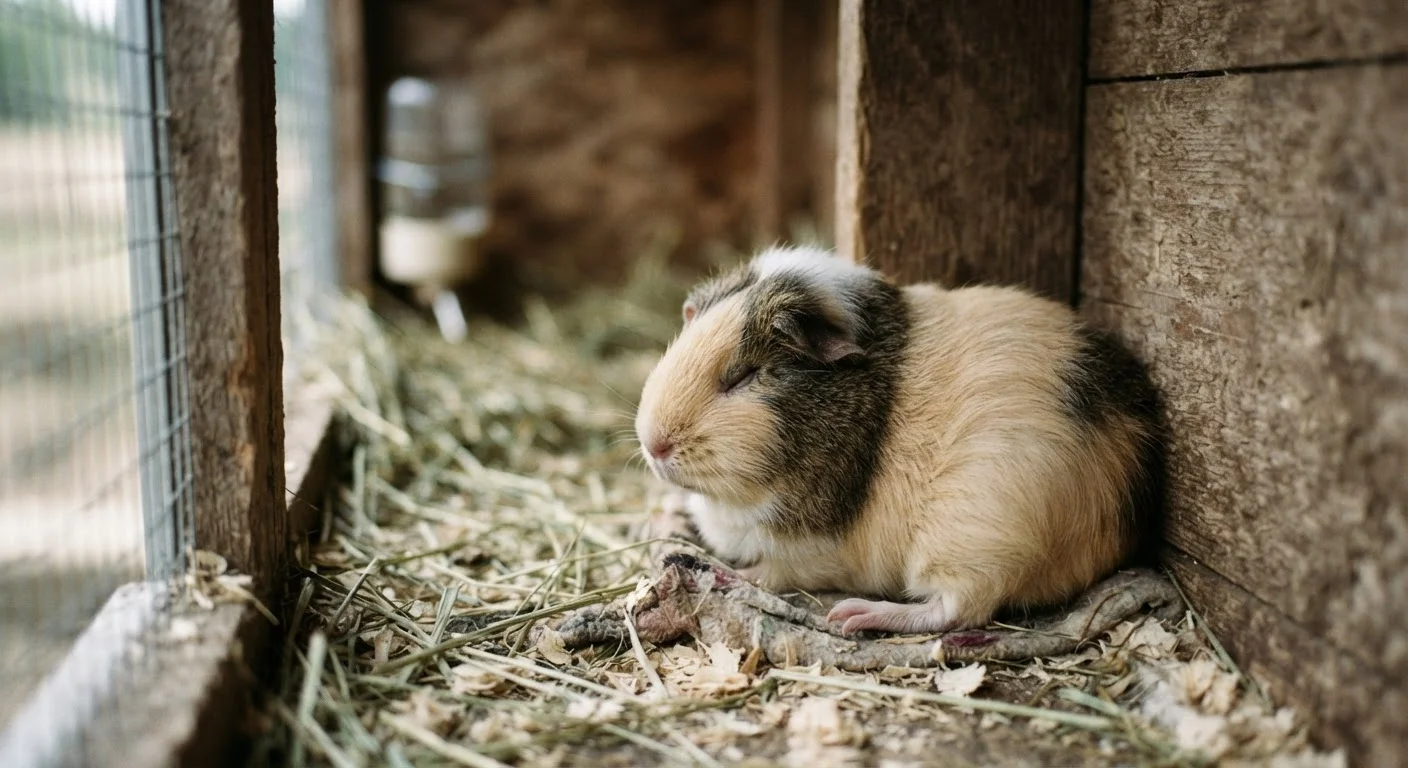
Photo: ResultsExplorer.com | Top Blogs For Everyone editorial
Key Takeaways
- Small animals mask stress instinctively, making early detection especially difficult for owners.
- Behavioural changes — not just physical symptoms — are often the first indicators of chronic stress.
- Species-specific knowledge matters: what looks normal in one animal may signal distress in another.
- Environmental factors like noise, temperature, and handling frequency are common, overlooked stressors.
- Persistent or unexplained stress signs warrant a veterinary consultation, not a wait-and-see approach.
Why Small Pets Are So Easy to Misread
Rabbits, guinea pigs, hamsters, rats, gerbils, and birds share an evolutionary trait that works against their owners: they are prey animals. In the wild, showing vulnerability invites predation, so these species have evolved to suppress visible signs of distress. A small pet in a loving home may be chronically stressed while appearing perfectly calm to the untrained eye.
This concealment instinct means that by the time an owner notices something is wrong, the animal has often been struggling for days or even weeks. Learning to read species-specific stress signals — both behavioural and physical — is one of the most valuable skills a small-pet owner can develop. The list below covers the signs that matter most, including the ones most commonly dismissed or misidentified.
Freezing or unusual stillness
Many owners interpret a motionless rabbit or guinea pig as relaxed or sleepy. In reality, sustained, rigid stillness — especially with eyes wide open and muscles tense — is a classic fear response. Prey animals freeze to avoid detection. If your pet is immobile but alert, scan the environment for triggers: loud sounds, a nearby pet, sudden movement, or an unfamiliar smell.
This differs from the relaxed flop of a comfortable rabbit or the drowsy stillness of a hamster mid-nap. Context and body posture together tell the story.
Rigid, wide-eyed stillness is a fear response, not a sign of relaxation.
Over-grooming or barbering
Excessive self-grooming — to the point of creating bald patches — is a recognised stress indicator in mice, rats, gerbils, and rabbits. In multi-animal enclosures, one animal may also barber cage-mates, chewing fur from their faces or backs. This is often a dominance or crowding response and should not be confused with normal social grooming.
Conversely, a sudden reduction in grooming can also signal stress or illness: a normally fastidious animal that stops self-cleaning deserves close attention.
Bald patches from over-grooming are a clear stress signal, not a coat or skin problem alone.
Bar-biting and repetitive behaviours
Stereotypies — repetitive, apparently purposeless behaviours — are well-documented indicators of chronic psychological stress in captive animals. Bar-biting, pacing the same route, head-bobbing, and digging at corners with no substrate to dig in are all examples. Once established, stereotypies can persist even after the original stressor is removed, which underscores the importance of addressing environmental causes early.
These behaviours are not quirky habits or signs of a high-energy pet. They indicate that the animal's behavioural needs are not being met.
Repetitive, purposeless behaviours signal unmet needs, not personality quirks.
Changes in eating or drinking
A stressed small animal may eat significantly less, refuse favourite foods, or — less often — overeat as a displacement behaviour. Reduced water intake often accompanies reduced food intake. In rabbits and guinea pigs especially, even a day of poor appetite can signal a serious problem given their digestive physiology.
Track baseline food and water consumption so you have a reference point. Sudden deviations of more than 24 hours warrant veterinary attention, particularly in species prone to gut stasis.
Even a single day of reduced appetite in rabbits or guinea pigs requires prompt attention.
Hiding more than usual
All small prey animals hide — it is a natural and healthy behaviour. The concern arises when hiding becomes the default state. A guinea pig that refuses to emerge for hand-feeding, a hamster that blocks its burrow entrance, or a rat that no longer investigates its environment are showing signs of chronic stress or fear.
This pattern parallels hiding in cats, a behaviour explored in our guide on why cats hide when unwell. Across species, retreating from normal activity is one of the most consistent early warning signs.
Hiding that displaces normal activity is a warning sign, not just normal prey instinct.
Aggressive or uncharacteristic behaviour
A previously handleable animal that suddenly bites, lunges, or vocalises loudly when approached may be communicating pain or fear. Owners often blame themselves or assume the animal has become unfriendly. In most cases, the behaviour reflects an unmet need or an unrecognised stressor — sometimes something as straightforward as a change in household routine, a new pet's scent, or an enclosure placed near a drafty window.
Biting in a previously calm animal is almost always communicative, not temperamental. Treat it as information, not a character flaw.
Sudden biting in a previously calm animal is almost always communicative, not temperamental.
Physical signs: coat, eyes, and posture
Chronic stress manifests physically over time. A dull, rough, or puffed-out coat in birds and small mammals, sunken or dull eyes, hunched posture (particularly notable in rats and guinea pigs), and weight loss are all physical red flags. In birds, feather-plucking is a direct analogue to over-grooming and is strongly linked to stress, boredom, or social isolation.
These physical changes are often the last indicators to appear — meaning the behavioural signals above likely preceded them. Owners who learn to read behaviour early can intervene before physical symptoms develop.
Physical deterioration is usually preceded by behavioural changes owners could have caught sooner.
When to Act — and When to Call a Vet
Stress in small animals is not just a welfare concern — it has measurable physiological consequences. Chronic stress suppresses immune function, disrupts gut motility (particularly in rabbits and guinea pigs, for whom gastrointestinal stasis can be life-threatening), and can accelerate the progression of underlying disease. Treating environmental issues early is almost always easier and safer than managing the health fallout later.
If you observe multiple signs from the list above, or if a single sign persists for more than 24 to 48 hours without an obvious, correctable cause, contact an exotic or small-animal veterinarian. Do not rely solely on general-practice vets unless they have documented experience with your species. Owners of dogs may find it useful to compare how stress recognition differs across species — our guide on recognising anxiety in dogs illustrates how even familiar cues vary significantly between animals. Similarly, the masking behaviour described here parallels what cats do when unwell — a pattern worth understanding across all companion species.
Keep a simple behaviour log
This article is for general informational and educational purposes only and does not constitute veterinary advice. Always consult a qualified veterinarian for concerns about your pet's health or behaviour.
The content provided on our blog site traverses numerous categories, offering readers valuable and practical information. Readers can use the editorial team’s research and data to gain more insights into their topics of interest. However, they are requested not to treat the articles as conclusive. The website team cannot be held responsible for differences in data or inaccuracies found across other platforms. Please also note that the site might also miss out on various schemes and offers available that the readers may find more beneficial than the ones we cover.