
Bringing a Hamster Home: What the First Two Weeks Look Like

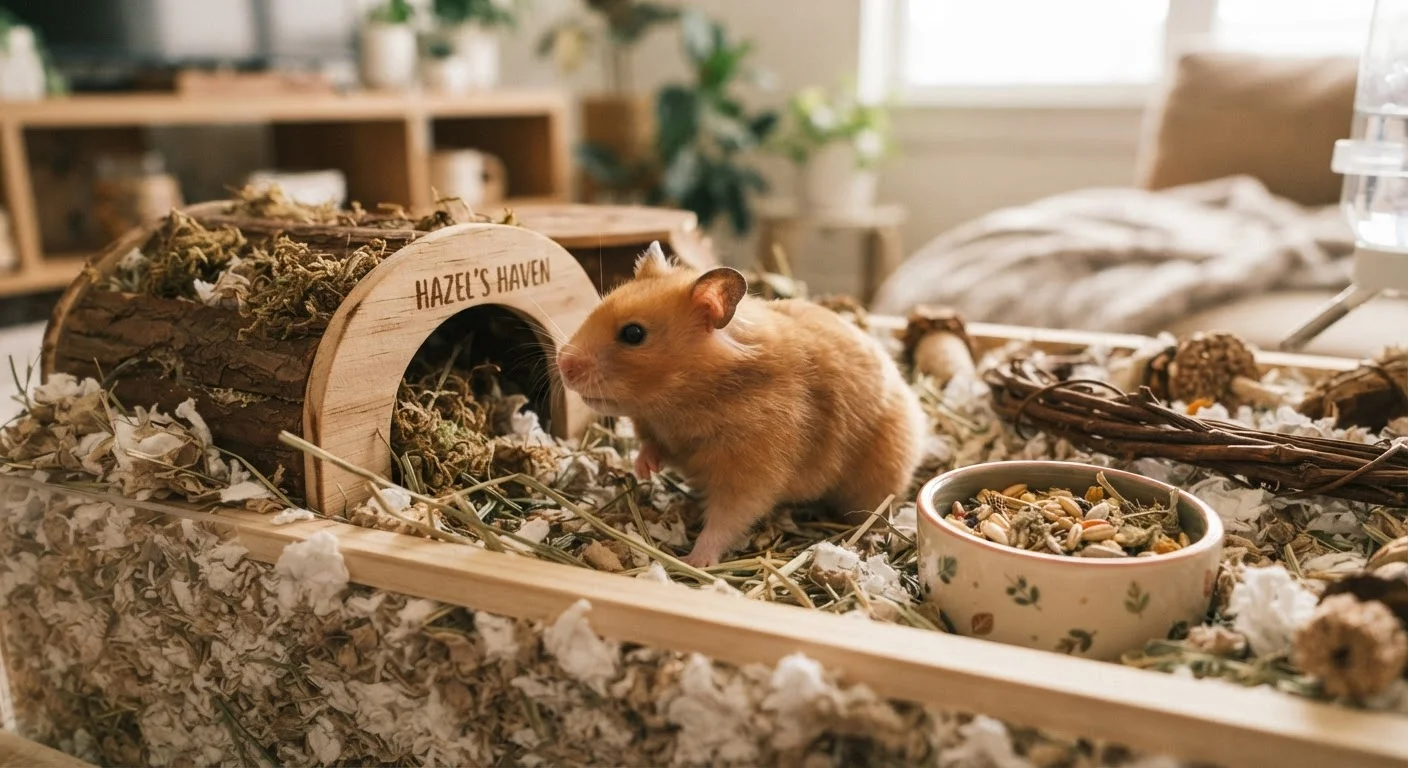
Photo: ResultsExplorer.com | Top Blogs For Everyone editorial
Key Takeaways
- Hamsters need 48–72 hours of undisturbed settling time before any handling begins.
- Consistent feeding schedules and a properly set up enclosure reduce stress significantly.
- Scent-based familiarity is key — let your hamster get used to your smell before making contact.
- Syrian hamsters are solitary and must be housed alone; some dwarf species can live in pairs.
- Most hamsters show normal exploratory behaviour within 10–14 days if the environment is calm and stable.
Why the First Two Weeks Matter So Much
Bringing a hamster home is a genuinely exciting moment — but from your hamster's perspective, it is one of the most disorienting experiences it will face. Everything it relied on for security — familiar scents, known burrow routes, predictable sounds — has been replaced overnight. The way you manage the first 14 days directly shapes how quickly your hamster develops confidence and, ultimately, how sociable and interactive it becomes as a pet.
Unlike settling in a new dog or welcoming a new cat, hamster acclimatisation is largely about doing less, not more. Hamsters are prey species that conceal vulnerability instinctively — a stressed hamster will not always look stressed, which is why structured, patient routines matter more than visible feedback from the animal.
If you are still in the planning phase, it is worth reviewing the small pet readiness checklist to ensure housing, diet, and vet access are all squared away before the hamster arrives.
Never Rush the Settling-In Period
Setting Up for Success: Habitat and Diet Basics
The single most impactful thing you can do before your hamster arrives is prepare its enclosure fully and correctly. A cage that is too small, under-furnished, or poorly ventilated will undermine even the most patient settling-in process. Most welfare organisations and exotic vets now recommend a minimum of 450 square inches of unbroken floor space for Syrian hamsters, with a preference for larger. Dwarf species such as Roborovski or Campbell's hamsters have similar spatial needs relative to their activity levels.
Appropriately sized enclosure
Provides a secure, species-appropriate living space; minimum floor area of 450 sq in is widely recommended for Syrian hamsters.
Deep substrate/bedding
Allows natural burrowing behaviour, which is essential for hamster wellbeing; aim for at least 6 inches depth.
Solid-surface exercise wheel
Supports nightly activity; Syrian hamsters need a wheel of at least 10–11 inches in diameter to prevent spinal curvature.
Ceramic or heavy food bowl and water bottle or dish
Delivers fresh food and water reliably without tipping.
Wooden or cardboard hide
Gives the hamster a dark, enclosed retreat to sleep in and feel safe.
Small animal-safe scatter or forage mix
Encourages natural foraging behaviour and mental stimulation during the adjustment period.
Diet matters from day one. A quality, species-appropriate hamster mix — typically pellet-based with some variety — should be available each evening. Fresh vegetables can be introduced in small amounts once the hamster is eating reliably. For a full breakdown of what hamsters should and should not eat, the small pet nutrition guide covers dietary needs in detail.
Watch for Signs of Stress or Illness
The Handling Progression: A Two-Week Framework
Successful taming follows a predictable arc when done correctly: non-interaction, passive scent exposure, treat-based association, then physical contact. Skipping stages is the most common mistake new owners make. A hamster that is grabbed too early may develop defensive biting that becomes habitual and difficult to reverse.
Set up the enclosure before bringing your hamster home
A fully prepared habitat waiting on arrival removes one major source of stress from the equation. Fill the enclosure with at least 6 inches of paper-based or aspen substrate, position the hide in a corner, place the wheel, and add food and water. Scatter a small amount of food into the bedding to encourage natural foraging from the outset.
Transport your hamster calmly and directly
Use a secure, ventilated travel container with some familiar-smelling substrate from the pet store or breeder if possible. Keep the journey short and quiet — no loud music or sudden braking. Place the travel container directly into the enclosure and open it, allowing the hamster to exit in its own time.
Allow 48–72 hours of complete hands-off settling
Once your hamster is inside the enclosure, step back. Refresh food and water quietly once per day, minimise noise near the habitat, and resist the urge to watch too closely. Your hamster needs uninterrupted time to map its new space through scent and exploration. During this phase, many hamsters will spend long periods in their hide — this is completely normal.
Introduce your scent before making physical contact
From day three or four, begin sitting quietly beside the enclosure for short periods each evening — hamsters are crepuscular and most active at dusk and dawn. Offer a small treat such as a plain sunflower seed from your open palm placed inside the enclosure without reaching for the hamster. This step may take several days of repetition before the hamster approaches willingly.
Begin gentle, low-level handling in the second week
Once your hamster is consistently approaching your hand inside the enclosure and taking treats calmly, you can attempt your first brief handling session. Cup both hands together just above the substrate and allow the hamster to climb on rather than grabbing from above — overhead approaches mimic predator behaviour. Keep early sessions to two or three minutes and always handle close to the ground or over a soft surface.
Establish a consistent daily routine
By the end of week two, aim to have a stable routine in place: fresh food offered each evening, water checked daily, and a brief interactive session at the same time each night. Routine reduces background stress for hamsters, which rely heavily on predictability. At this stage you can also begin spot-cleaning soiled corners of the substrate every two to three days, disturbing as little of the rest of the bedding as possible to preserve your hamster's scent landmarks.
By the end of two weeks, most hamsters will be accepting treats readily, tolerating brief handling, and showing confident exploratory behaviour during their active hours. If your hamster remains highly defensive or unusually lethargic beyond this window, consult an exotic animal veterinarian to rule out underlying health issues.
Use Your Scent to Build Trust
This article provides general pet care information only. It is not a substitute for advice from a qualified veterinarian familiar with your individual animal's needs.
The content provided on our blog site traverses numerous categories, offering readers valuable and practical information. Readers can use the editorial team’s research and data to gain more insights into their topics of interest. However, they are requested not to treat the articles as conclusive. The website team cannot be held responsible for differences in data or inaccuracies found across other platforms. Please also note that the site might also miss out on various schemes and offers available that the readers may find more beneficial than the ones we cover.