
The Truth About Goldfish: Separating Myth from Biology

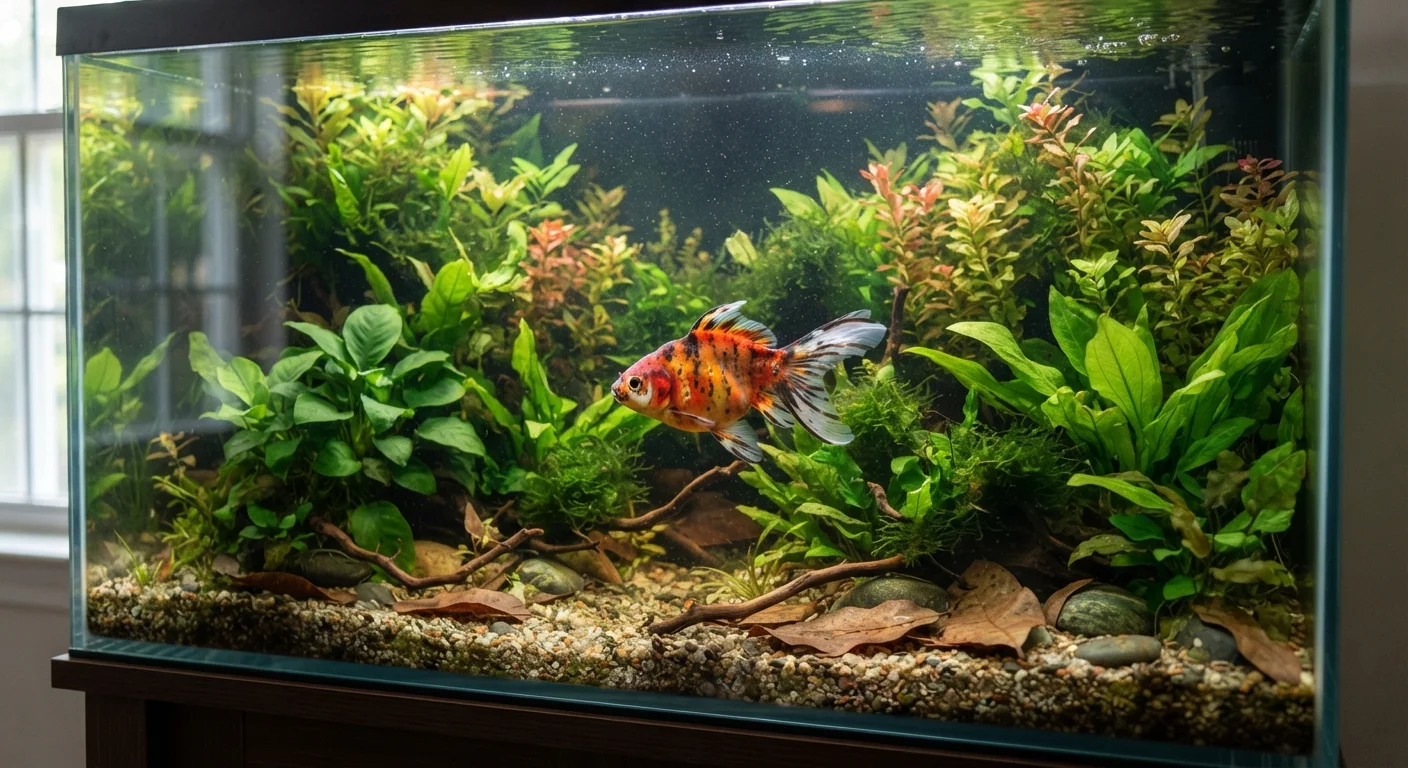
Photo: ResultsExplorer.com | Top Blogs For Everyone editorial
Key Takeaways
- Goldfish can live 10–15 years or longer with proper care — not just a few months.
- The 'three-second memory' myth is false; goldfish demonstrate memory spanning months.
- Goldfish grow to fit the size of their tank is a harmful misconception — they grow to their genetic potential.
- Goldfish produce substantial waste and need robust filtration, not just a bowl of still water.
- A single goldfish requires a minimum of 20 gallons of tank space for healthy living.
Why Goldfish Myths Persist — and Why They Matter
Goldfish are among the most widely kept pets in the United States, yet they are also among the most misunderstood. Persistent misconceptions about their biology and needs lead many well-meaning owners to keep them in conditions that cause chronic stress, stunted growth, and premature death. The good news is that the science is clear, and correcting these myths is straightforward once the facts are on the table.
Much like the way food folklore outlasts the research that disproves it — as explored in popular nutrition myths that science has moved past — goldfish myths persist largely because they are repeated so often that they feel like common knowledge. They are not.
Myth
Goldfish only live for two or three years at most.
Fact
With proper care, goldfish commonly live 10–15 years, and some individuals have been documented living beyond 20 years.
The short lifespan many people associate with goldfish is almost entirely a product of inadequate husbandry, not biology. When kept in small bowls with no filtration, ammonia and nitrite levels spike rapidly, causing organ damage and chronic illness. In well-maintained aquariums with proper filtration, appropriate space, and a good diet, goldfish are genuinely long-lived pets. The record-holding goldfish have lived well into their twenties.
Myth
Goldfish have a three-second memory and can't remember anything.
Fact
Research demonstrates that goldfish can retain learned behaviors and recognize patterns over periods of months, not seconds.
This is one of the most durable myths in popular culture, but it has no scientific basis. Studies have shown goldfish can be trained to push levers for food rewards, navigate mazes, and respond to signals — behaviors that require memory retention far beyond a few seconds. Goldfish in domestic settings can also recognize their owners and associate certain cues with feeding time, further demonstrating sustained associative memory.
Myth
Goldfish will only grow as large as the bowl or tank allows.
Fact
Goldfish grow toward their genetic potential regardless of tank size; a small container stunts growth through toxin buildup, not a natural size-limiting mechanism.
The idea that goldfish 'grow to fit their environment' is a comfortable oversimplification of a harmful reality. When kept in undersized tanks, goldfish are continuously exposed to elevated ammonia and nitrite from their own waste. These toxins impair organ function and suppress growth — but they also cause internal damage. A stunted goldfish is not a small, healthy goldfish; it is a fish whose growth has been suppressed by chronic toxic exposure. The fish will remain smaller, but at a significant cost to its health and lifespan.
Myth
Goldfish are low-maintenance pets that are perfect for a bowl on a countertop.
Fact
Goldfish are among the higher-maintenance freshwater fish, producing significant waste and requiring filtration, regular water changes, and substantial tank space.
Goldfish have a higher metabolic rate than many other commonly kept fish and produce proportionally more ammonia-laden waste. Unlike bettas, which can tolerate smaller filtered setups, goldfish require robust mechanical and biological filtration in tanks large enough to dilute waste between water changes. A glass bowl with no filter is biologically unsuitable for a goldfish within days of setup. This reality makes goldfish a more demanding pet than their reputation as a beginner's fish implies — though they are deeply rewarding when kept correctly.
Myth
Goldfish are solitary and don't need companions.
Fact
Goldfish are social fish that generally thrive in the company of their own kind, showing more active and exploratory behavior when housed with compatible companions.
While goldfish will survive alone, behavioral observation suggests they are more active, feed more readily, and exhibit fewer signs of stress when kept in groups. Social species derive environmental stimulation from interaction, and goldfish are no exception. The caveat is that companions must be selected carefully — not all fish tolerate the cooler water temperatures goldfish prefer, and size disparities can lead to fin nipping or competition for food. Keeping two or three goldfish of similar size and type is a common and well-supported approach.
What Proper Goldfish Care Actually Looks Like
Once the myths are set aside, the picture of responsible goldfish ownership becomes much clearer. These are hardy, intelligent fish capable of living rich, long lives — provided their basic biological needs are met.
20+ years
Maximum recorded goldfish lifespan
Documented cases of goldfish living beyond two decades exist in peer-reviewed aquatic literature and verified hobbyist records.
20 gallons
Minimum recommended tank size per goldfish
Aquatic husbandry guidelines from fish care organizations consistently recommend at least 20 gallons for a single fancy goldfish.
~10 inches
Potential adult length of common goldfish
Common and comet goldfish can reach 10–12 inches in length when given adequate space and proper nutrition.
Tank size and filtration are non-negotiable. A single fancy goldfish needs a minimum of 20 gallons, with an additional 10 gallons per additional fish. Slim-bodied varieties like common or comet goldfish, which can reach 10–12 inches, need even more space. A quality filter rated for at least the full tank volume is essential, as goldfish are prolific waste producers. Partial water changes of around 25–30% weekly help maintain water quality between filter cleanings.
Diet matters more than many owners realize. Goldfish are omnivores and benefit from a varied diet that includes quality sinking pellets — floating pellets can cause goldfish to gulp air, leading to buoyancy problems — along with blanched vegetables like peas, zucchini, and leafy greens. Overfeeding is a leading cause of poor water quality and digestive illness.
Tank companions require careful thought. Not every freshwater fish makes a suitable tankmate for goldfish, partly because of temperature differences and partly because of size dynamics. For guidance on compatible pairings, see fish tankmates that actually get along.
Goldfish also benefit from environmental enrichment — plants (live or silk), hiding spots, and varied feeding approaches that encourage natural foraging behavior. These aren't luxuries; they support psychological wellbeing in animals that are more cognitively capable than their reputation suggests.
This article is for general educational purposes only. For health concerns specific to your fish, consult an aquatic veterinarian.
The content provided on our blog site traverses numerous categories, offering readers valuable and practical information. Readers can use the editorial team’s research and data to gain more insights into their topics of interest. However, they are requested not to treat the articles as conclusive. The website team cannot be held responsible for differences in data or inaccuracies found across other platforms. Please also note that the site might also miss out on various schemes and offers available that the readers may find more beneficial than the ones we cover.