
Why Your Guinea Pig Keeps Refusing Food — And What It Might Mean

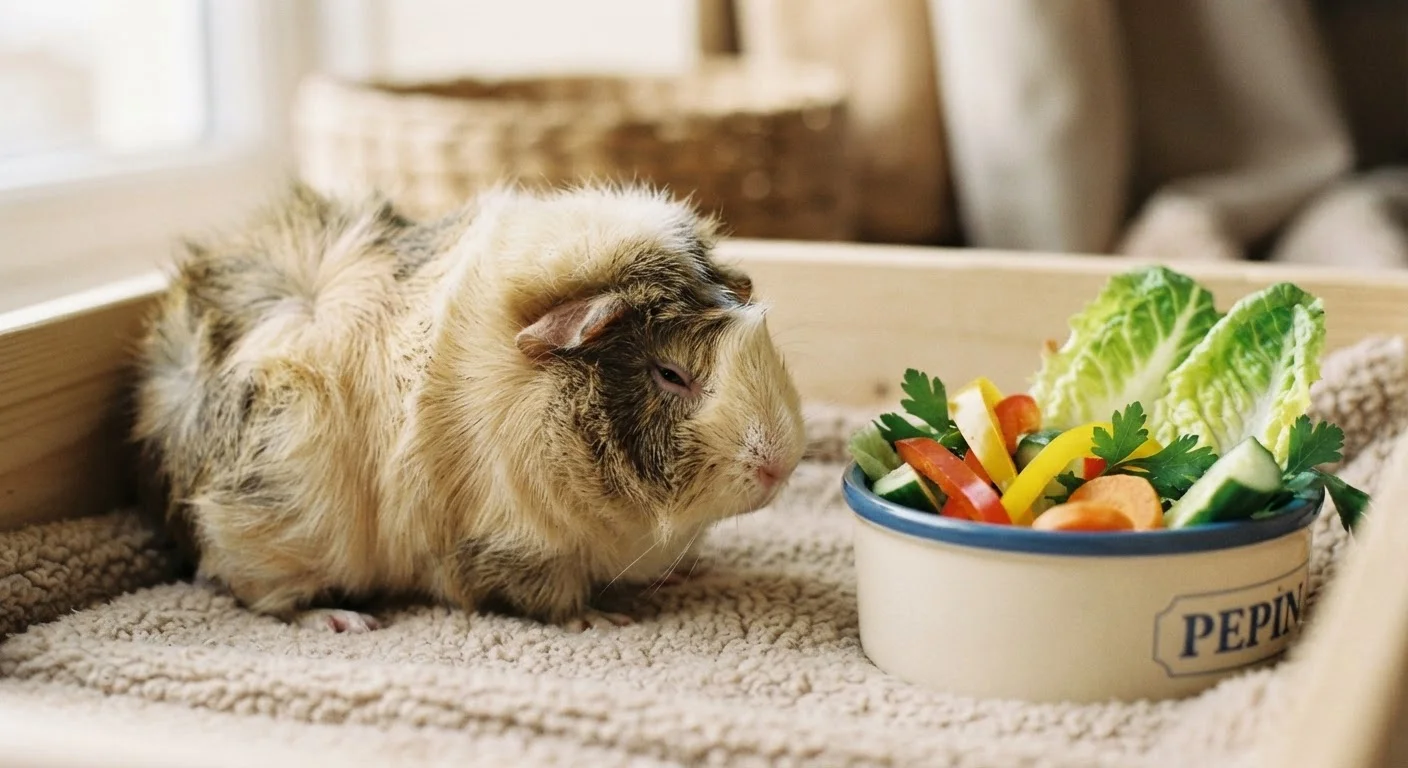
Photo: ResultsExplorer.com | Top Blogs For Everyone editorial
Key Takeaways
- Guinea pigs are obligate herbivores with sensitive digestive systems that can deteriorate quickly when they stop eating.
- Dental problems, respiratory illness, and environmental stress are among the most common reasons for food refusal.
- Any guinea pig that hasn't eaten for 12–24 hours warrants prompt veterinary attention.
- Owner mistakes — like sudden diet changes or offering inappropriate foods — frequently trigger appetite loss.
- Early intervention dramatically improves outcomes for guinea pigs experiencing digestive slowdown or GI stasis.
Why Food Refusal Is Always Serious in Guinea Pigs
Unlike dogs or cats that can safely skip a meal, guinea pigs have digestive systems that require near-constant food intake to function. Their gut motility — the movement of food through the gastrointestinal tract — depends on a steady supply of fiber, primarily from hay. When a guinea pig stops eating, gut movement slows rapidly, setting off a cascade that can become life-threatening within 24 to 48 hours.
Guinea pigs are also prey animals by instinct, meaning they are hardwired to conceal illness. By the time a guinea pig's food refusal becomes obvious to an owner, the underlying problem may already be progressing. This is why understanding the most common causes — and the owner errors that contribute to them — is essential for responsible care. For a broader look at species-specific nutritional needs, see our small pet nutrition overview.
Common Mistakes That Lead to Food Refusal
Many cases of guinea pig appetite loss are linked — at least in part — to preventable owner errors. Identifying these mistakes is the first step toward correcting them.
Switching foods suddenly without a gradual transition period.
Offering foods that are toxic or too high in sugar, causing digestive upset and appetite loss.
Allowing the hay supply to run out or offering low-quality hay that the guinea pig rejects.
Placing the guinea pig in a stressful environment that suppresses appetite.
Waiting too long to seek veterinary care after noticing food refusal.
Do Not Wait Overnight If Your Guinea Pig Stops Eating
When Illness Is the Underlying Cause
Sometimes food refusal signals a medical condition that requires professional diagnosis and treatment. The most frequent culprits include dental disease, upper respiratory infections, and gastrointestinal stasis.
Dental disease is particularly common in guinea pigs whose diets are low in long-stem hay. Malocclusion — misalignment of the molars — makes chewing painful, and owners often don't notice until the animal has already lost significant weight. A guinea pig dropping food from its mouth, drooling, or losing weight despite appearing interested in eating should be examined by an exotic-animal veterinarian promptly.
Upper respiratory infections impair a guinea pig's ability to smell food, which sharply reduces motivation to eat. Watch for nasal discharge, labored breathing, or audible clicking sounds when breathing.
GI stasis — a slowing or stopping of gut movement — can occur secondarily to almost any stressor or illness. It is a medical emergency. If your guinea pig has not produced fecal pellets in several hours alongside food refusal, contact a vet immediately.
80%
Of daily diet that should be hay
Exotic-animal veterinary guidelines consistently recommend that long-stem hay — timothy or orchard grass — constitute the vast majority of a guinea pig's daily food intake.
24 hrs
Maximum safe window without eating
Veterinary exotic-animal resources generally indicate that a guinea pig not eating for more than 24 hours faces serious risk of GI stasis and should be seen by a vet promptly.
This article provides general educational information only and is not a substitute for veterinary advice. If your guinea pig is refusing food, consult a qualified exotic-animal veterinarian promptly.
The content provided on our blog site traverses numerous categories, offering readers valuable and practical information. Readers can use the editorial team’s research and data to gain more insights into their topics of interest. However, they are requested not to treat the articles as conclusive. The website team cannot be held responsible for differences in data or inaccuracies found across other platforms. Please also note that the site might also miss out on various schemes and offers available that the readers may find more beneficial than the ones we cover.