
City Break vs. Slow Travel: Two Very Different Ways to See the World

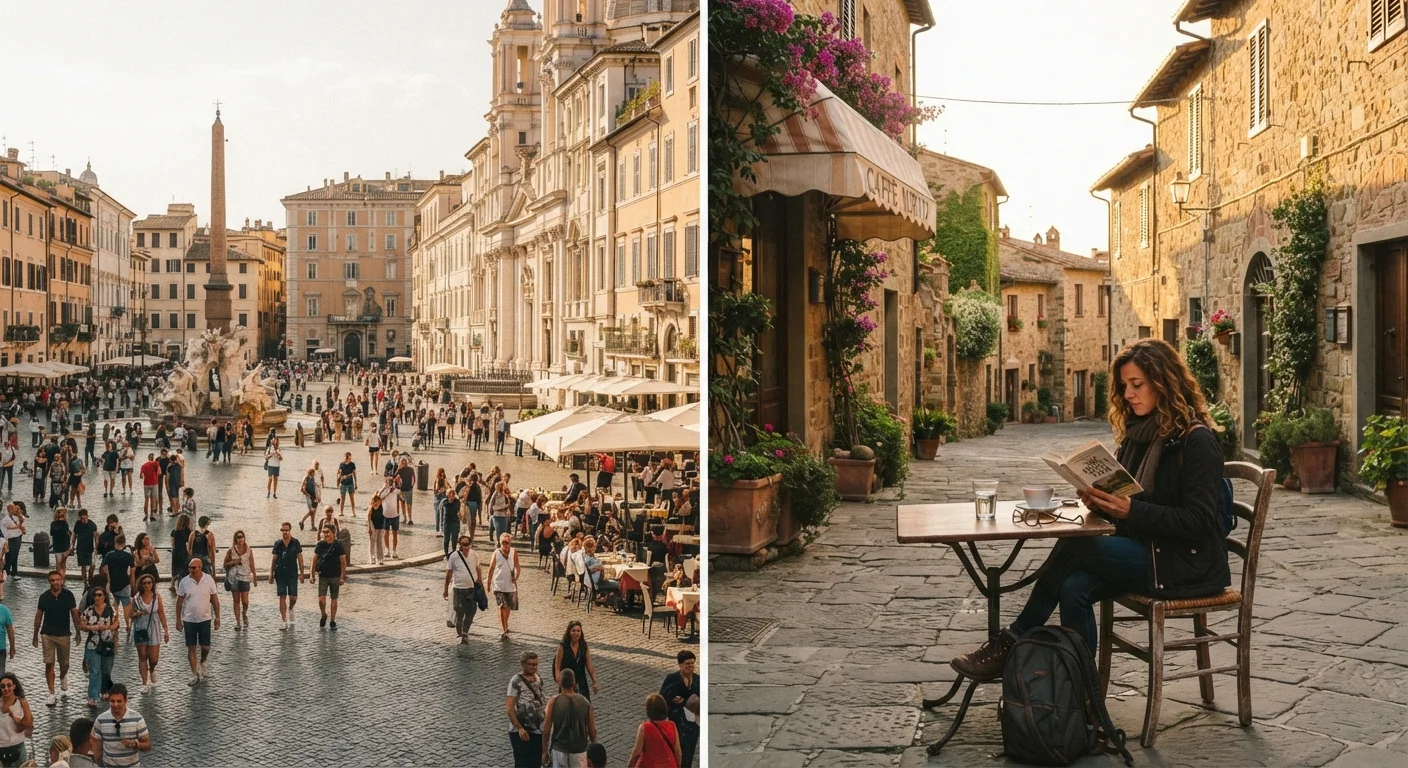
Photo: ResultsExplorer.com | Top Blogs For Everyone editorial
Key Takeaways
- City breaks maximize sightseeing within tight time windows, typically lasting 2–5 days.
- Slow travel involves staying in one place weeks or months to build local familiarity.
- Neither approach is objectively better — the right fit depends on your schedule, goals, and travel style.
- City breaks demand more advance planning; slow travel requires more flexibility and adaptability.
- Slow travel often reduces per-day costs but requires longer overall commitment of time.
- Both approaches can deepen cultural awareness when approached with curiosity and preparation.
What Each Approach Actually Means
A city break is a short, purposeful trip — typically two to five days — focused on a single urban destination. The goal is efficient: museums, neighborhoods, food markets, and key landmarks compressed into a tight schedule. It's travel as a concentrated experience, not a leisurely one.
Slow travel is a deliberate counter to that pace. Instead of covering ground, you commit to one place — a city, town, or rural area — for weeks or months. You shop at the same market, learn a few phrases, build routines, and observe how the place behaves across different days and moods.
Neither is inherently superior. The city break rewards curiosity with a curated highlight reel. Slow travel rewards patience with something harder to manufacture: actual familiarity. Understanding which suits you starts with being honest about what you're traveling for. See our step-by-step itinerary guide for practical tools whichever route you choose.
| Criterion | City Break | Slow Travel |
|---|---|---|
| Typical duration | 2–5 days | 2 weeks to several months |
| Planning intensity | High upfront planning | Moderate, more flexible day-to-day |
| Accommodation type | Hotels, short-stay rentals | Medium-term rentals, sublets |
| Per-day cost | Generally higher | Often lower after settling in |
| Cultural depth | Surface to moderate | Moderate to deep (with effort) |
| Destinations covered | One per trip; stackable | Usually one place per stay |
| Flexibility during trip | Low — schedule-driven | High — routine-driven |
| Visa considerations | Rarely an issue for short stays | May require research by country |
The Real Trade-Offs on Both Sides
City breaks front-load almost everything: research, booking, packing, and route-planning all happen before you leave. Once you arrive, you're executing a plan. That structure is genuinely useful — particularly for first-time visits to a destination — but it leaves little room for the kind of accidental discovery that makes travel memorable. Exhaustion is also a real risk when you're trying to absorb a place in 72 hours.
Slow travel front-loads different challenges. Finding medium-term accommodation, managing visa requirements in some countries, and staying productive (if you're working remotely) all require upfront problem-solving. But once settled, the daily stress drops considerably. You stop performing tourism and start living, however temporarily, somewhere else.
4.5 days
Average US leisure trip length
US Travel Association research consistently shows most American leisure trips fall under five days, reflecting the city break format as a common default.
30–40%
Potential per-day savings in long stays
Industry data and traveler surveys suggest medium-term apartment rentals can reduce accommodation costs significantly compared to nightly hotel rates for equivalent stays.
Cost patterns differ too. City breaks involve concentrated spending — flights, hotels at rack rates, tourist-area restaurants. Slow travel often reduces the per-day cost because short-term rental apartments, local grocery shopping, and avoiding the tourist circuit all pull expenses down. That said, the total spend over a longer stay may still exceed a short trip. Independent travel vs. package tours covers related cost trade-offs worth reviewing before you commit to either model.
Cultural Depth: Where the Two Approaches Diverge Most
This is where the gap between city breaks and slow travel becomes most visible. A city break gives you context — you see the architecture, taste the food, walk the streets. That is genuinely valuable, especially when paired with solid pre-trip research. Reading a destination before you go can substantially deepen what even a short visit yields.
Slow travel offers something different: repeated exposure. You start noticing patterns — how the morning crowd at the café differs from the evening one, how locals navigate the same weather you're experiencing, which streets empty out and when. That layered understanding is difficult to shortcut.
It's worth being honest, though: slow travel doesn't automatically produce cultural insight. Spending three months in a place while staying primarily in expat social circles or English-language spaces is still a form of tourism, just a longer one. Genuine engagement requires deliberate effort in either format. Travelling as an outsider addresses those dynamics directly and is worth reading alongside this comparison.
For a deeper look at the slow travel model specifically, The Case for Slow Travel walks through the trade-offs of spending more time in fewer places.
The content provided on our blog site traverses numerous categories, offering readers valuable and practical information. Readers can use the editorial team’s research and data to gain more insights into their topics of interest. However, they are requested not to treat the articles as conclusive. The website team cannot be held responsible for differences in data or inaccuracies found across other platforms. Please also note that the site might also miss out on various schemes and offers available that the readers may find more beneficial than the ones we cover.