
Solo Travel Safety: Building Situational Awareness Anywhere

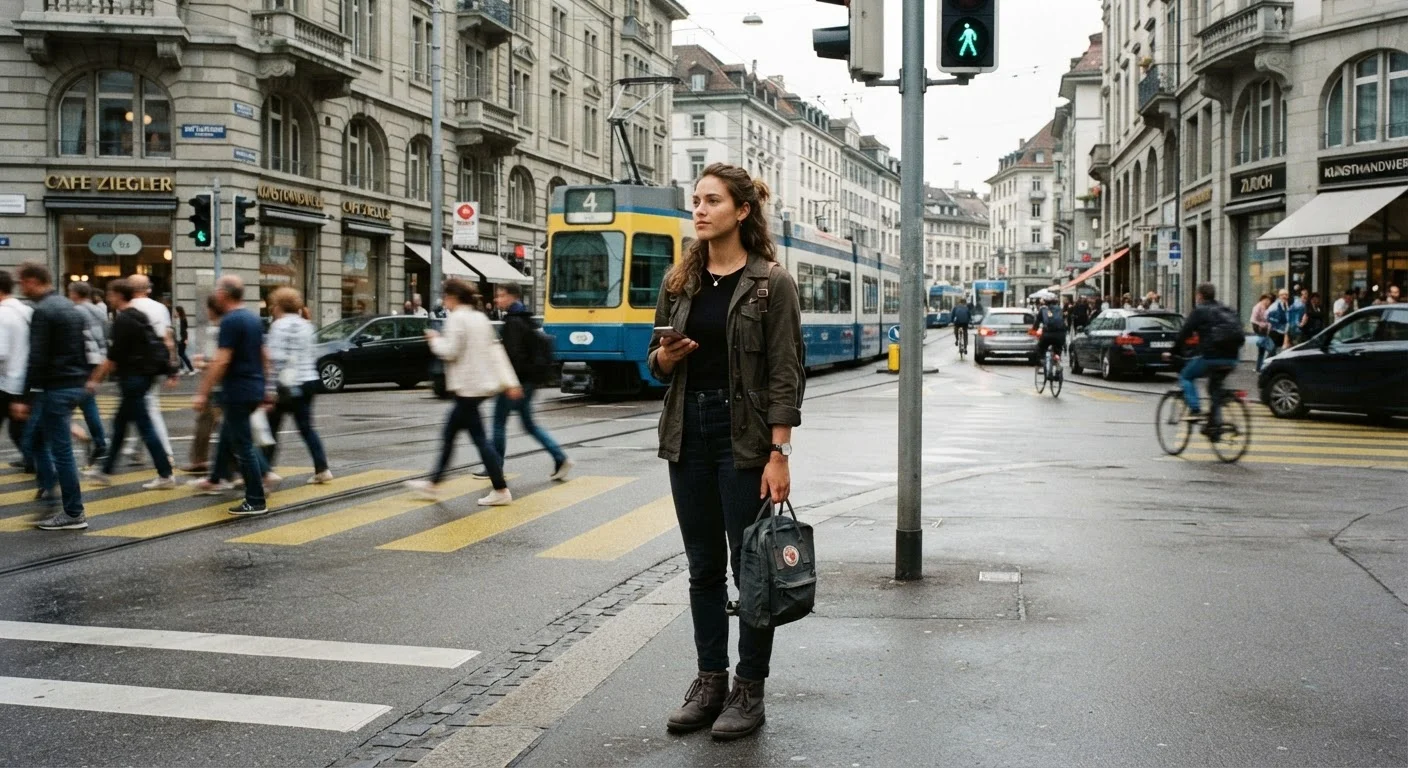
Photo: ResultsExplorer.com | Top Blogs For Everyone editorial
Key Takeaways
- Situational awareness is a learnable habit, not an innate talent or constant state of anxiety.
- Most safety incidents abroad are preventable through preparation, observation, and deliberate routines.
- Your baseline read of a new environment should begin before you even arrive at a destination.
- Blending in, limiting distractions, and trusting calibrated instincts are the core daily practices.
- Building awareness works alongside managing mental wellbeing — alertness and calm reinforce each other.
What Situational Awareness Actually Means for Travelers
The term situational awareness originates in aviation and military training, but the practical version for everyday travelers is far simpler: it means knowing what's around you, understanding whether anything seems out of place, and having a plan for what you'd do if something went wrong. It is not constant vigilance or suspicion. It is a practiced habit of being present.
Solo travelers benefit from developing this skill because they lack the built-in safety net of a travel companion. No one is watching your bag while you order coffee, and no one else is clocking that someone has followed you around two corners. The steps below build a replicable system you can apply in any destination — from a familiar US city to a new country.
Awareness Is Not the Same as Fear
For broader trip planning context, including how to structure your pre-departure research, see the Trip Planning hub.
How to Practice These Steps Day-to-Day
What you will need
Offline maps app (e.g., downloaded regional maps)
Navigate confidently without relying on mobile data or revealing your phone in unfamiliar areas.
Travel journal or notes app
Record accommodation addresses, emergency contacts, and key local phrases for quick reference.
Government travel advisory portal (e.g., travel.state.gov for US travelers)
Check current safety conditions, entry requirements, and local alerts before and during your trip.
Money belt or hidden pouch
Keep passport, backup cash, and primary cards concealed and inaccessible to pickpockets.
Research your destination's specific risk profile before departure
Generic travel warnings rarely give you what you need. Before you go, consult your government's official travel advisory (US travelers can use travel.state.gov), read recent traveler forum posts from the past few months, and review local news sources for the city or region you're visiting. Focus on patterns — are petty theft, transport scams, or particular neighborhoods flagged repeatedly? This shapes where you stay and how you move.
For a framework on researching destinations meaningfully, see how to read a destination before you go.
Establish a baseline for normal in each new environment
Situational awareness depends on knowing what normal looks like so you can recognize when something is off. When you arrive in a new neighborhood, market, or transit hub, spend a few minutes simply observing before you engage: What is the general pace of people? How do locals carry themselves? Where is foot traffic concentrated? This baseline lets you notice anomalies — someone moving against the crowd, a group paying unusual attention to you — without fixating on everything at once.
Limit distractions in unfamiliar or high-risk spaces
Distraction is the primary enabler of most opportunistic travel incidents. Headphones in both ears, face buried in a phone, and map-reading while walking all remove you from your immediate environment. In crowded transit stations, markets, or tourist areas, keep one ear free, stow your phone when not actively needed, and pause to check directions before entering a new block rather than mid-stride.
For a closer look at how distraction contributes to tourist targeting, our guide on scams and pickpocket tactics covers the specific methods used and how awareness disrupts them.
Use deliberate body language to project confidence
How you carry yourself communicates as much as what you carry. Walking with a direct gaze, upright posture, and a purposeful pace signals that you are oriented and paying attention — characteristics that reduce opportunistic targeting. Uncertainty and hesitation are visible; if you're lost, step into a shop or café to regroup rather than stopping in the middle of a busy street to check your phone.
You don't need to pretend to be a local. You simply need to appear aware.
Build a daily check-in routine
Let a trusted contact at home know your general itinerary and establish a simple check-in protocol — even a brief text once a day confirming you're okay. Agree on what they should do if they don't hear from you by a certain time. This requires minimal effort but creates a real safety net. Keep a note of local emergency numbers, your country's nearest embassy or consulate, and your accommodation's address in both your phone and written form.
Trust calibrated instincts — then act on them
Gut feelings in unfamiliar environments are often pattern recognition working faster than conscious thought. If a situation, location, or interaction feels wrong without an obvious reason, it's reasonable to disengage — leave a space, end a conversation, or change your route. You don't owe anyone an explanation. The cost of a false alarm is minor; the cost of overriding a legitimate warning can be significant.
Calibration matters, though: instincts shaped by unfamiliarity or cultural difference are not the same as genuine threat recognition. If you find anxiety clouding your judgment frequently, strategies for managing travel anxiety may help you distinguish discomfort from actual risk.
The Two-Minute Arrival Scan
Don't Rely Solely on Your Phone for Safety
Food and hygiene habits also affect your alertness and overall safety on the road. Illness dulls your awareness and limits your ability to respond to changing situations. Our guide on food and water safety while traveling covers the basics of staying well wherever you go.
This article provides general travel safety information for educational purposes. Conditions vary significantly by destination, and no guide can guarantee your safety. Always verify current travel advisories with official government sources before and during your trip.
The content provided on our blog site traverses numerous categories, offering readers valuable and practical information. Readers can use the editorial team’s research and data to gain more insights into their topics of interest. However, they are requested not to treat the articles as conclusive. The website team cannot be held responsible for differences in data or inaccuracies found across other platforms. Please also note that the site might also miss out on various schemes and offers available that the readers may find more beneficial than the ones we cover.