
Food and Water Safety on the Road

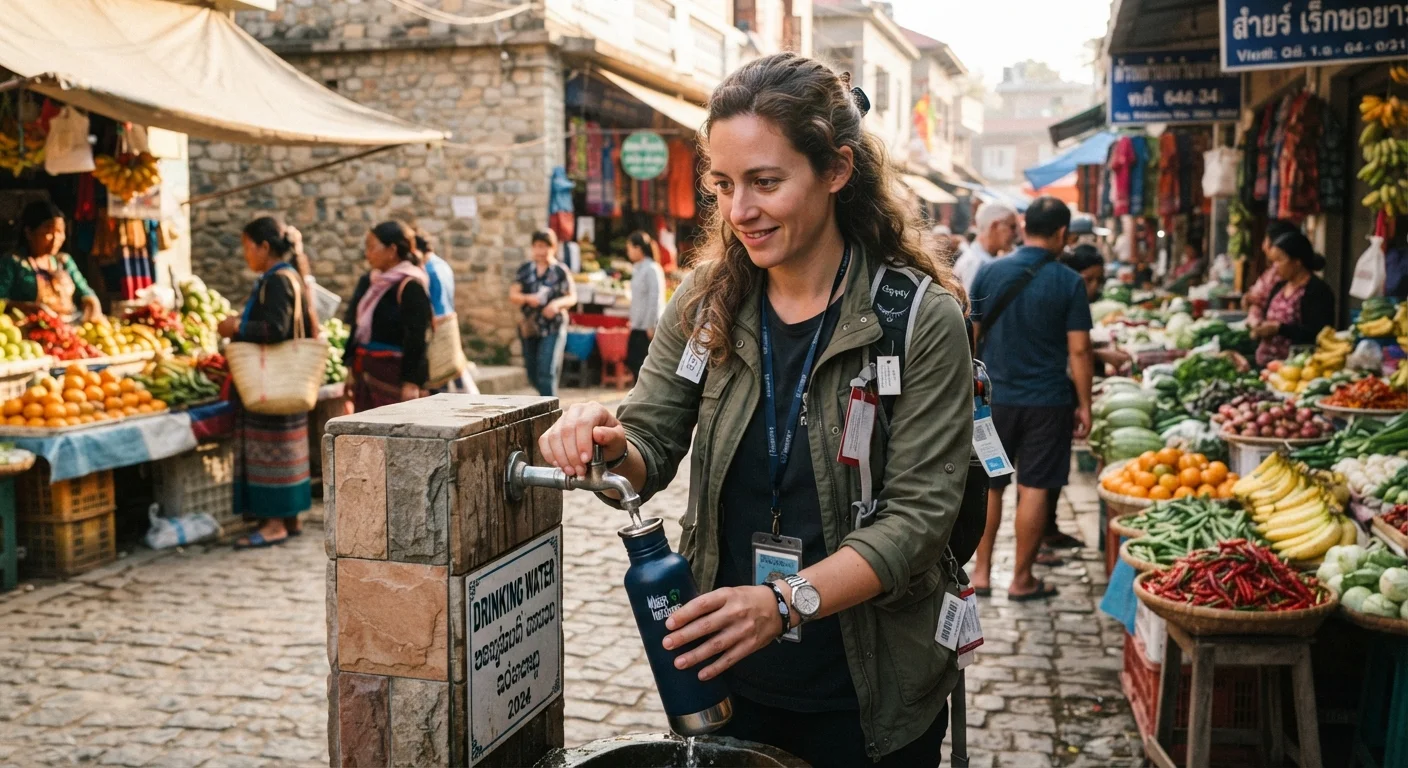
Photo: ResultsExplorer.com | Top Blogs For Everyone editorial
Key Takeaways
- Traveler's diarrhea is the most common travel illness and is largely preventable with consistent food and water habits.
- Tap water safety varies significantly by destination — always verify before drinking or brushing teeth.
- Hand hygiene is one of the most reliable defenses against foodborne illness while traveling.
- Street food is not inherently unsafe — high turnover, visible cooking, and heat are key positive indicators.
- Packing basic gastrointestinal supplies can prevent a mild illness from derailing your entire trip.
Why Food and Water Safety Matters on the Road
Traveler's diarrhea — a term for gastrointestinal illness acquired while traveling, typically caused by bacteria, viruses, or parasites in contaminated food or water — affects an estimated 30% to 70% of international travelers, depending on the destination and season. It's the single most common travel-related illness, yet it's also one of the most preventable.
The risk isn't limited to developing countries or remote regions. Even within well-resourced destinations, your gut may react differently to new microbial environments, local water treatment standards, or food handling practices unfamiliar to your immune system. Before departure, reviewing destination-specific health risks can help you understand what precautions apply to your specific itinerary.
30–70%
International travelers affected by traveler's diarrhea
According to the U.S. Centers for Disease Control and Prevention (CDC), incidence varies significantly by destination region and season.
80%
Cases caused by bacterial pathogens
The CDC estimates that the majority of traveler's diarrhea cases are bacterial in origin, with enterotoxigenic E. coli being one of the most common culprits.
Understanding Water Safety While Traveling
Tap water quality is not uniform worldwide. In many destinations, municipal water may contain pathogens that local residents have built tolerance to but which can cause illness in newcomers. The U.S. Centers for Disease Control and Prevention (CDC) maintains destination-specific guidance on water safety — consulting it before travel is a practical first step.
Key principles for water safety on the road:
- Bottled water from sealed containers is generally safe, but inspect the seal before purchasing and avoid ice made from uncertain water sources.
- Boiling water for at least one minute (three minutes at altitudes above 6,500 feet) is effective against most pathogens.
- Filtration and chemical treatment (such as iodine or chlorine tablets) are useful in remote areas but have limitations — some parasites require additional treatment steps.
- Brushing teeth with tap water in high-risk destinations carries real risk; use bottled or treated water for this too.
Staying well-hydrated is essential, especially in hot climates. See our complementary guide on how hydration supports your overall health for broader context.
Best Practices for Food Safety Abroad
Evaluating food safety in unfamiliar environments requires a few reliable mental checks rather than avoiding local food entirely — which would be both impractical and culturally limiting.
Choose foods that are cooked to order and served hot
Peel raw fruits and vegetables yourself before eating
Be cautious with raw or undercooked shellfish and meat
Verify that dairy products are pasteurized before consuming
Pack a basic gastrointestinal kit before departure
If you do fall ill despite precautions, knowing your options is just as important as prevention. Our guide on navigating illness abroad walks through how to find care and communicate your symptoms effectively.
Hygiene Habits That Make a Real Difference
Personal hygiene practices are the connective tissue between food and water safety. No amount of careful food selection fully compensates for poor hand hygiene.
Travelers managing medications alongside gastrointestinal risks should review how to store and declare medications abroad, particularly if carrying anti-diarrheal or antibiotic treatments. And if this is your first international trip, the logistics guide for first-time international travelers covers practical ground worth reading before you leave.
This article provides general travel health information for educational purposes only. It is not a substitute for professional medical advice. Consult a qualified healthcare provider or travel medicine specialist before your trip, particularly if you have underlying health conditions.
The content provided on our blog site traverses numerous categories, offering readers valuable and practical information. Readers can use the editorial team’s research and data to gain more insights into their topics of interest. However, they are requested not to treat the articles as conclusive. The website team cannot be held responsible for differences in data or inaccuracies found across other platforms. Please also note that the site might also miss out on various schemes and offers available that the readers may find more beneficial than the ones we cover.