
Lesser-Known Logistics That Catch First-Time International Travellers Off Guard

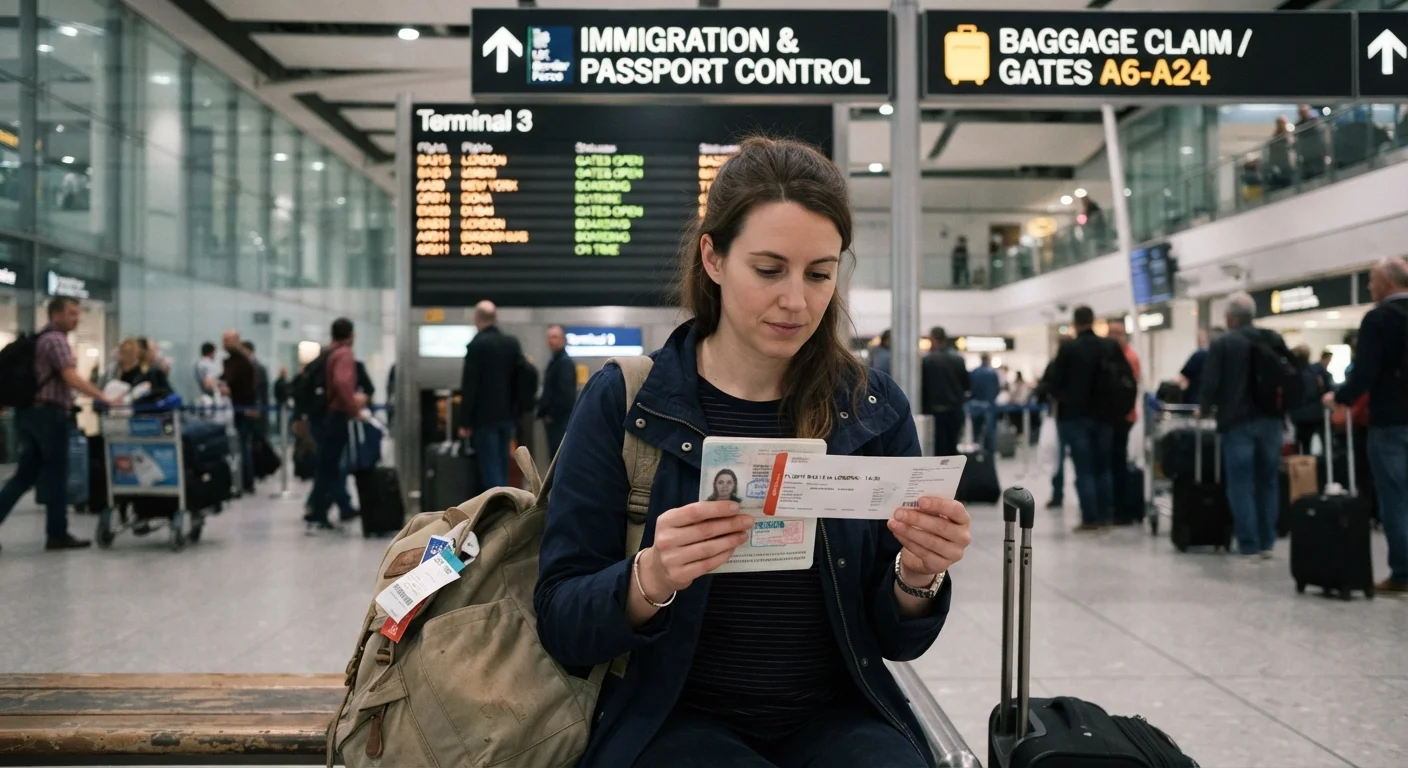
Photo: ResultsExplorer.com | Top Blogs For Everyone editorial
Key Takeaways
- Visa-on-arrival eligibility varies by passport and destination — always verify before departure.
- Airport transit through certain countries requires its own visa, even if you never leave the terminal.
- Currency exchange rates and fees differ significantly depending on where and when you exchange.
- Entry requirements for medications can lead to confiscation or detention if ignored.
- Proof of onward travel is routinely requested at immigration and airline check-in desks.
- Travel insurance gaps and claim procedures catch many first-timers unprepared mid-trip.
What Experienced Travelers Know That Guidebooks Often Skip
First-time international travelers typically prepare for the obvious: book flights, get a passport, pack a bag. What they often don't prepare for is the layer of procedural detail that sits between booking and actually arriving without incident. These aren't obscure bureaucratic edge cases — they're routine situations that seasoned travelers handle automatically, but that can derail a trip when encountered for the first time without warning.
The list below covers the logistics most likely to catch you off guard, along with what you need to know before you leave. For a broader pre-trip check, see the pre-departure checklist that covers documents, health prep, and home considerations in one place.
Visa-on-arrival isn't the same as visa-free
Many travelers assume that because they've heard a country is "easy to enter," they can simply show up and be waved through. The distinction between visa-free entry and visa-on-arrival matters significantly. Visa-on-arrival means you receive your visa at the border — but you may still need to meet eligibility criteria, pay a fee, carry passport photos, show proof of accommodation, or demonstrate sufficient funds. Not every passport qualifies for every country's visa-on-arrival program.
Check the specific requirements for your passport nationality on the destination country's official immigration website or your government's travel advisory page. Requirements can also change with little notice due to diplomatic shifts.
Visa-on-arrival still requires eligibility — it isn't the same as walking in unconditionally.
Transit visas apply even when you don't leave the airport
This is one of the most consistently surprising discoveries for first-time international travelers: some countries require a transit visa simply to pass through their airport on a connecting flight — even if you remain airside and never enter the country officially. The United Kingdom, for instance, has a "direct airside transit visa" requirement for passport holders from certain countries.
If your itinerary includes a connection through a country whose transit visa rules apply to your nationality, failing to hold the correct documentation can result in being denied boarding at your origin airport. Check this for every country your flight routes through, not just your final destination. The article explaining layover and transit terminology is useful context here.
A connecting flight through the wrong country can require its own visa before you board.
Proof of onward travel is asked for more than you'd expect
Immigration officers and airline check-in staff commonly ask travelers to demonstrate they have a plan to leave the country — particularly for one-way ticket holders or travelers on tourist visas. This is called proof of onward travel, and without it, you may be denied boarding or held at immigration until the matter is resolved.
A return flight booking is the simplest solution. If your itinerary is open-ended, be prepared to show a bus, train, or ferry booking to another country, or to explain your departure plan clearly. Some travelers use third-party services that provide temporary onward flight reservations for this purpose — though you should verify whether this is acceptable to the specific airline and immigration authority involved.
One-way travelers are routinely asked to prove they plan to leave — have documentation ready.
Currency exchange timing and location make a real difference
Exchanging cash at airport kiosks immediately after landing is often the most expensive option available. Airport exchange bureaus typically offer less favorable rates and charge higher fees than in-city alternatives, partly because of the captive audience they serve. Using a home bank's travel card or withdrawing local currency from a destination-country ATM after arrival is frequently more cost-effective — though foreign ATM fees and international transaction fees vary by your bank.
Research your options before you travel: know whether your bank charges international ATM fees, whether your card has foreign transaction fees, and whether your destination is primarily cash-based or card-friendly. Arriving with a small amount of local currency for immediate needs (transport, food) while planning to exchange or withdraw more later is a common practical approach.
Airport currency exchange is usually the most expensive option — plan your first cash in advance.
Medications can trigger customs and entry complications
Carrying prescription or over-the-counter medications across international borders involves rules that vary significantly by country. Some medications that are legal and unremarkable in the US are controlled or outright prohibited elsewhere. Carrying more than a certain quantity — even of a permitted medication — can require advance documentation from a physician or an import permit from the destination country.
Common examples include certain opioid-based pain medications, ADHD medications (stimulants), and even some antihistamines. Failing to declare medications or carrying undocumented controlled substances can lead to confiscation, fines, or more serious legal consequences. For a detailed breakdown of what to prepare, see traveling with medications across borders.
Medications legal at home may be controlled or prohibited at your destination — check before you pack.
Travel insurance gaps aren't obvious until you try to claim
Many travelers purchase travel insurance without reading the policy in detail, then discover mid-trip — or during a claim — that their situation isn't covered. Common exclusions include pre-existing medical conditions, adventure activities (hiking above certain altitudes, scuba diving, motorcycle riding), travel to countries under a government "do not travel" advisory, and trip cancellations due to reasons the insurer doesn't classify as covered events.
Understanding your policy before you leave means reading the exclusions section, not just the headline coverage. Know the process for filing a claim — most policies require you to report incidents within a specific timeframe and retain original receipts. This is general information; specific coverage, terms, and claims procedures vary by insurer and policy. Consult your insurer or a licensed insurance professional for advice specific to your situation.
Travel insurance exclusions are where most claims fail — read the full policy before departure.
Don't Leave These Details Until the Last Minute
Most of these logistics take just 20–30 minutes of research to resolve — but only if you start early enough. Government travel advisories, airline policy pages, and embassy websites are your most reliable sources. Third-party travel blogs can point you in the right direction, but official sources should always be your final confirmation, especially for entry requirements that change frequently.
Build a Simple Pre-Departure Document Checklist
Beyond paperwork, the human side of international travel also catches people off guard. Understanding how tourist-targeting scams work and reading up on common cultural missteps round out any first-timer's preparation. Logistics and cultural awareness together make for a far smoother trip.
This article provides general travel information for educational purposes. Entry requirements, visa rules, and travel advisories change frequently. Always verify current requirements with official government sources and relevant embassies before traveling.
The content provided on our blog site traverses numerous categories, offering readers valuable and practical information. Readers can use the editorial team’s research and data to gain more insights into their topics of interest. However, they are requested not to treat the articles as conclusive. The website team cannot be held responsible for differences in data or inaccuracies found across other platforms. Please also note that the site might also miss out on various schemes and offers available that the readers may find more beneficial than the ones we cover.