
Scams, Pickpockets, and Tourist Targeting: How Travelers Get Caught Out

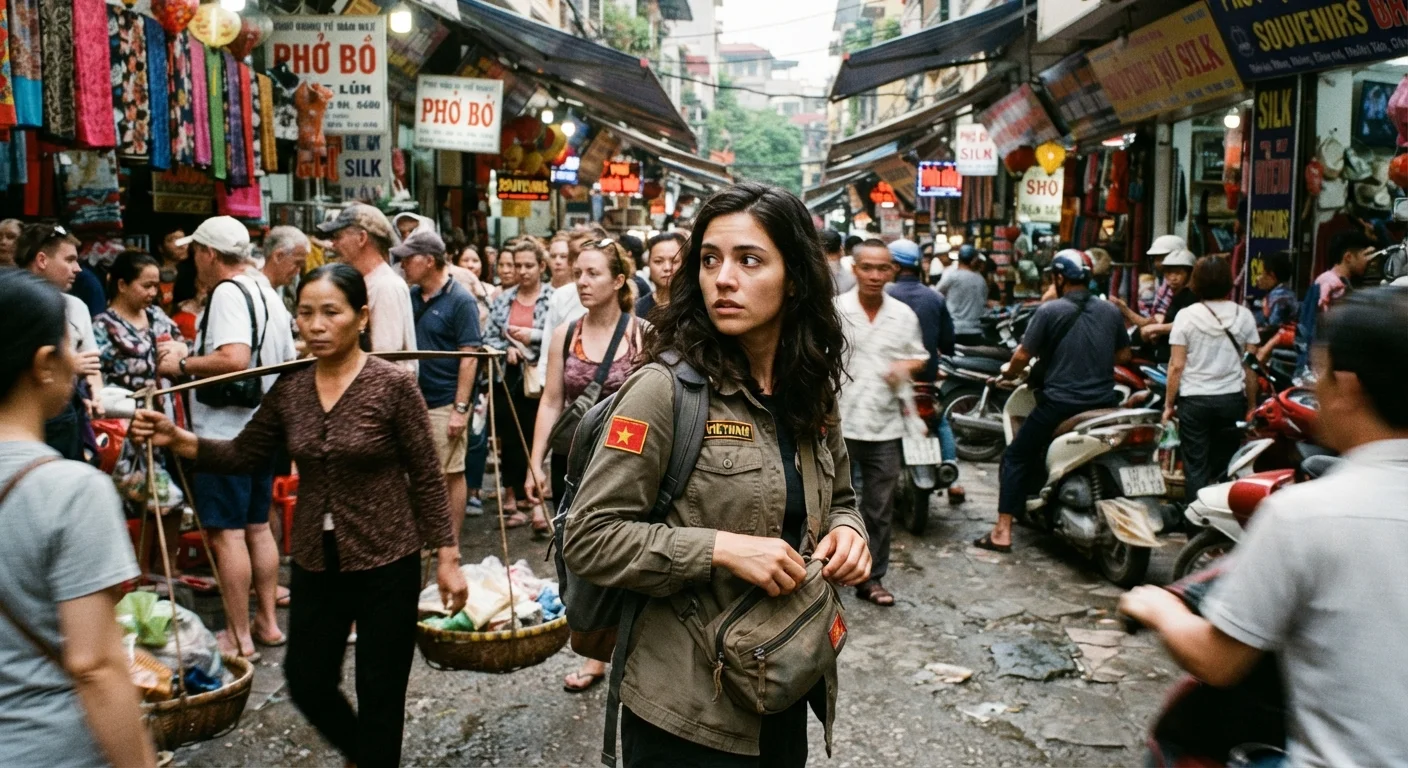
Photo: ResultsExplorer.com | Top Blogs For Everyone editorial
Key Takeaways
- Scammers rely on distraction, urgency, and goodwill — recognizing these tactics is your first defense.
- Visible tourist behavior (maps, confusion, expensive gear) makes you a more visible target.
- Most theft happens through sleight of hand in crowds, not confrontation.
- Simple habit changes — like using a front pocket or crossbody bag — meaningfully reduce risk.
- Verifying prices, routes, and credentials before committing protects against common overcharging schemes.
Why Tourists Are Targeted — and How Scammers Spot You
Being a tourist isn't a character flaw — but it does come with a set of behavioral signals that opportunistic scammers and pickpockets have learned to read quickly. Unfamiliarity with local prices, limited knowledge of transport systems, and the natural distraction of experiencing a new place all contribute to a vulnerability window that bad actors exploit.
This isn't a reason to avoid travel, or to treat every local interaction with suspicion. The reality of most destinations is far safer than media narratives suggest. But awareness of how targeting works is genuinely protective — and that starts with understanding the mechanics.
Scams and petty theft share a common design: they rely on your distraction, your goodwill, or your unfamiliarity with what's normal. The person who hands you a bracelet, the driver who intercepts you before you reach the official taxi line, the couple who bumps into you in a crowd — these situations are engineered, not accidental.
Distraction Is the Core Mechanism
The Mistakes That Make Travelers Vulnerable
Most tourist-targeting incidents are not random. They follow patterns that repeat across cities and countries because these approaches reliably work. Understanding where travelers go wrong — and why — is the fastest route to not repeating those errors.
Displaying obvious tourist behavior — phone out for navigation, map spread open, branded luggage tags — signals unfamiliarity to opportunists.
Keeping valuables in a back pocket or an unzipped bag in crowded areas.
Accepting unsolicited gifts, bracelets, or items pressed into your hands, then being aggressively pressured to pay.
Using unlicensed taxis or accepting rides from drivers who approach you first at airports and transit hubs.
Not verifying prices before eating, riding, or receiving a service — then facing a bill far beyond any posted rate.
Trusting strangers who approach you with urgent, highly specific "help" — such as warning that your hotel is closed or that a site requires a special guide today.
Building stronger situational awareness overall makes each of these habits easier to maintain. Situational awareness as a learnable skill is especially relevant for solo travelers, but the principles apply universally.
Never Share Financial Access in a Scam Moment
Practical Habits That Reduce Your Exposure
The goal isn't to travel defensively or to view every interaction as a threat — it's to make small, low-effort changes that reduce your visibility as a target. Most of these take seconds to implement and don't diminish the experience of being somewhere new.
1 in 5
Travelers who report a theft or scam experience
Surveys by travel insurance providers consistently find that a significant minority of international travelers experience some form of opportunistic crime or fraud each trip.
Top 3
Most common theft locations for tourists
Crowded public transit, busy markets, and popular landmark entry queues are repeatedly identified as the highest-risk environments in travel safety reports.
- Split your cash and cards. Carry only what you need for the day. Keep a backup card and emergency cash in a separate, secured location — not in the same wallet or bag.
- Photograph your documents. Store copies of your passport, travel insurance, and emergency contacts in a secure cloud location before you leave home. Good trip planning means preparing for the worst so you can handle it efficiently.
- Know the local emergency number. It isn't always 911. Research the relevant contact for police and medical services in each country you visit, and save it to your phone.
- Trust your instincts. If a situation feels engineered or pressured, it probably is. It's always acceptable to walk away from an uncomfortable interaction.
Travel brings genuine trade-offs and requires navigating the reality of being a visible outsider. Understanding the honest dynamics of being a tourist — including how you're perceived — helps you move through places with more confidence and less friction.
The content provided on our blog site traverses numerous categories, offering readers valuable and practical information. Readers can use the editorial team’s research and data to gain more insights into their topics of interest. However, they are requested not to treat the articles as conclusive. The website team cannot be held responsible for differences in data or inaccuracies found across other platforms. Please also note that the site might also miss out on various schemes and offers available that the readers may find more beneficial than the ones we cover.