
What Happens When You Get Sick Abroad — And How to Navigate It

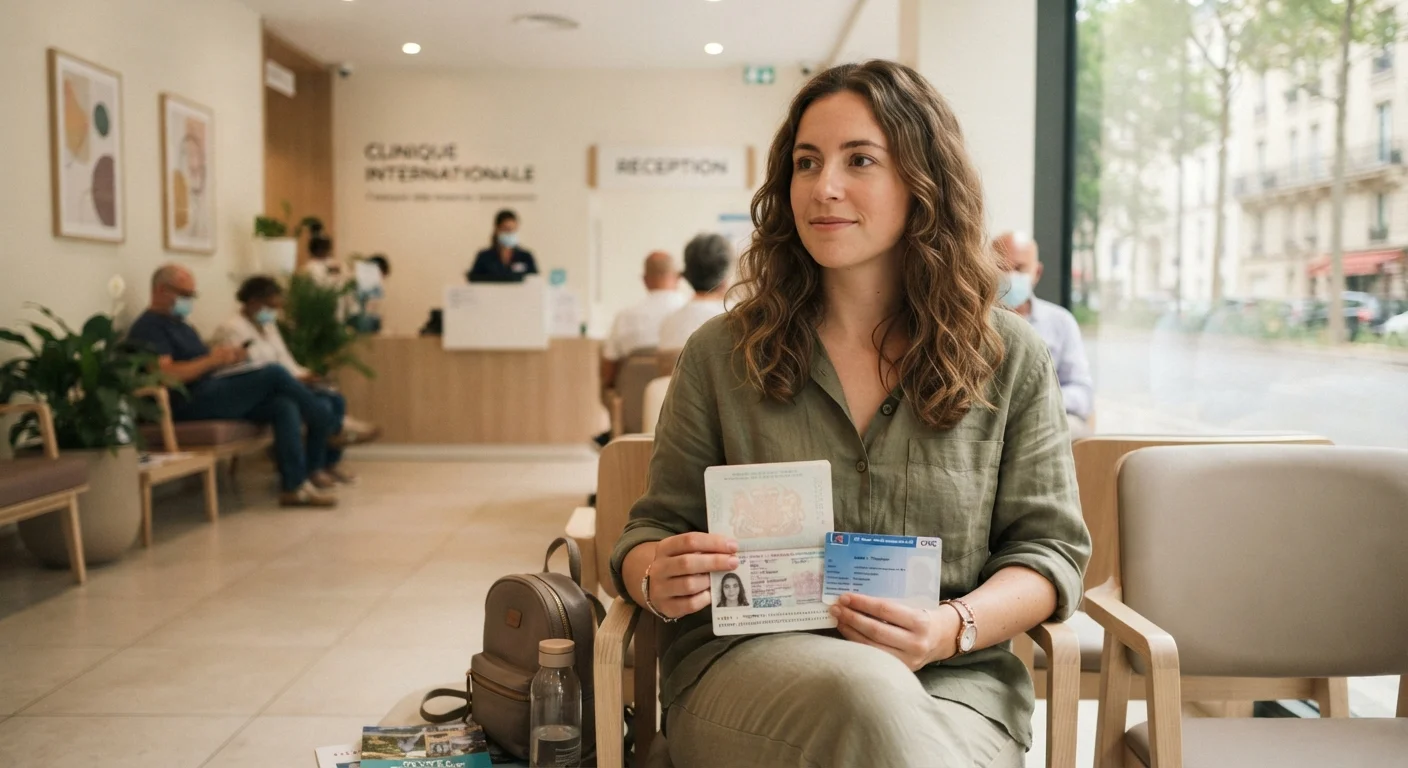
Photo: ResultsExplorer.com | Top Blogs For Everyone editorial
Key Takeaways
- Travel insurance with emergency medical coverage is your most important safety net abroad.
- Your country's embassy or consulate can help you locate vetted local medical care.
- Translation apps and written symptom lists can bridge critical language gaps at the clinic.
- Knowing when to seek emergency care versus rest-and-recover care can prevent complications.
- Keep digital and physical copies of key documents: insurance card, prescription list, and passport.
Why Illness Abroad Feels So Much Harder
Getting sick at home is stressful enough. Abroad, you're often dealing with an unfamiliar healthcare system, a language barrier, different medication names, and the anxiety of being far from your regular doctor. That combination can make even a manageable illness feel overwhelming.
The good news: most travelers who fall ill abroad recover without serious incident — especially those who know the basic steps in advance. Preparation reduces both the health risk and the emotional burden significantly.
What you will need
Before you travel, it's also worth researching the specific health landscape of your destination. Our guide to researching destination health risks walks you through how to use official sources to understand what you may encounter.
What You'll Need Before You Start
Having the right tools and documents in place before symptoms appear is what separates a manageable situation from a chaotic one. Review the items below and make sure they're part of your standard pre-trip prep.
Travel insurance policy documents
Provides coverage details, emergency hotline numbers, and claim instructions when you need medical care abroad.
Translation app (offline-capable)
Helps you communicate symptoms and understand basic instructions when there is a language barrier.
Passport and ID copies (digital and physical)
Required for registration at most foreign clinics and hospitals.
Prescription medication list
Gives providers a clear record of what you currently take, including generic drug names recognized internationally.
Embassy or consulate contact information
Your embassy can refer you to vetted local medical providers and assist in emergencies.
Basic travel health kit
Oral rehydration salts, fever reducer, bandages, and antidiarrheal tablets for managing mild symptoms before reaching a clinic.
Prepare a Simple Health Summary Card
Step-by-Step: Navigating Illness While Traveling
Follow these steps in order. If your situation is a clear emergency at any point, skip to calling local emergency services immediately — the step sequence is for non-emergency and moderate illness scenarios.
Assess the severity of your symptoms
Before acting, take a moment to honestly evaluate what you're experiencing. Mild symptoms — a headache, minor stomach upset, low-grade fever — may be manageable with rest and hydration while you monitor closely. Symptoms that warrant immediate medical attention include high or persistent fever, difficulty breathing, chest pain, severe abdominal pain, signs of dehydration, confusion, or a rash with fever.
If you're unsure whether symptoms are serious, err on the side of seeking care. Many travel-related illnesses present initially as something minor.
Call your travel insurance emergency line
Your insurer's 24-hour assistance line is often the fastest path to reliable local care. They can direct you to pre-approved hospitals or clinics, arrange direct billing so you're not paying large sums upfront, and coordinate care if evacuation becomes necessary. Have your policy number and the nature of your symptoms ready before you call.
If you haven't purchased travel insurance for this trip, note the out-of-pocket costs and save all receipts — some national health plans and credit card benefits offer limited reimbursement. Always verify before assuming coverage applies.
Locate appropriate medical care
If your insurer doesn't direct you to a specific facility, use these reliable channels to find care:
- Your country's embassy or consulate: Most maintain updated lists of local doctors and hospitals with English-speaking staff. The US State Department's website includes country-specific medical resources.
- Your hotel's front desk: Staff at established hotels often know which local clinics handle travelers routinely.
- International SOS or similar services: If your employer or insurer contracts with a global medical assistance firm, use their locator.
For non-emergencies, a walk-in clinic or general practice is often faster and less costly than a hospital emergency department. For emergencies, go directly to the nearest hospital or call local emergency services.
Communicate your symptoms clearly
Language barriers are one of the most stressful aspects of getting sick abroad. Use these approaches to bridge the gap:
- Open your offline translation app and type or speak your symptoms — many apps handle medical vocabulary reasonably well.
- Show the provider your written health summary card with conditions, medications, and allergies.
- Use body language and pointing to indicate the location and nature of pain.
- Ask whether an English-speaking staff member or phone interpreter service is available — many urban hospitals have this resource.
See our guide to communicating across language barriers for broader strategies you can prepare in advance.
Document everything for insurance claims
Request itemized receipts, prescriptions, and written diagnosis notes from every provider you see. Take photos of documents in case paper copies are lost. Note the date, facility name, treating provider, and total cost paid. Most travel insurance claims require detailed documentation, and gaps can delay or reduce reimbursement.
If you paid out of pocket, submit your claim as soon as possible after returning home — most policies have time limits on submissions.
Follow up with your doctor back home
Even if you felt fully recovered by the time you returned, schedule a follow-up appointment with your primary care provider. Some travel-related illnesses have delayed presentations or require a full treatment course to resolve. Bring any documentation from care received abroad and mention where you traveled, what you ate, and whether you were exposed to insects or untreated water.
For context on foodborne and waterborne illness risks, see our guide to food and water safety on the road.
This Is General Information, Not Medical Advice
Common Scenarios and What They Usually Require
Traveler's Diarrhea
One of the most frequently reported travel illnesses. Usually manageable with oral rehydration and rest, but see a provider if there is blood in stool, fever above 101°F (38.3°C), or symptoms lasting more than 48–72 hours. Our food and water safety guide covers prevention strategies in detail.
Respiratory Illness
Colds and mild respiratory infections are common when traveling. Rest, hydration, and basic symptom management are often appropriate. Seek evaluation if breathing is labored, symptoms worsen significantly, or you have underlying conditions that complicate respiratory illness.
Altitude-Related Symptoms
If you're at high elevation and develop headache, nausea, dizziness, or shortness of breath, descend and seek medical evaluation. Don't push through — altitude sickness can escalate quickly. See our altitude sickness guide for what to watch for before and during your trip.
Don't Self-Diagnose or Delay Care
This article is for general informational purposes only and does not constitute medical advice. Always consult a qualified healthcare professional for guidance specific to your health situation. In a medical emergency, contact local emergency services immediately.
The content provided on our blog site traverses numerous categories, offering readers valuable and practical information. Readers can use the editorial team’s research and data to gain more insights into their topics of interest. However, they are requested not to treat the articles as conclusive. The website team cannot be held responsible for differences in data or inaccuracies found across other platforms. Please also note that the site might also miss out on various schemes and offers available that the readers may find more beneficial than the ones we cover.