
Travel Insurance Explained: What It Covers and What It Doesn't

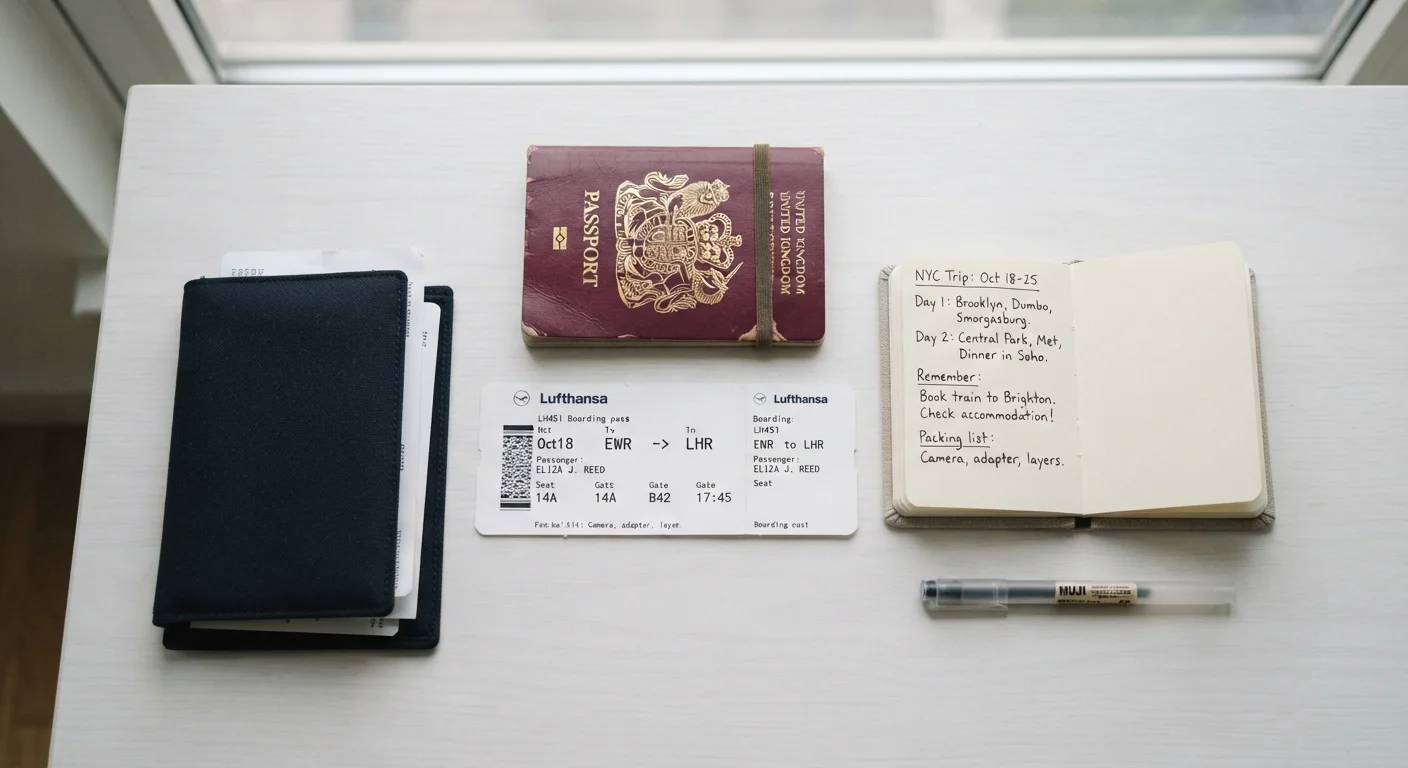
Photo: ResultsExplorer.com | Top Blogs For Everyone editorial
Key Takeaways
- Travel insurance covers a defined list of events — not every possible disruption you might face.
- Medical evacuation coverage is often separate or limited; confirm this before traveling internationally.
- Pre-existing medical conditions are frequently excluded unless a specific waiver is purchased.
- "Cancel for any reason" upgrades exist but typically reimburse only a portion of your trip cost.
- Reading the policy's definitions section is essential — terms like "cancel" and "delay" are narrowly defined.
- Always verify coverage details with official policy documents and consult a licensed agent for personal guidance.
What Travel Insurance Is — and Isn't
Travel insurance is not a blanket protection against everything going wrong on a trip. It is a contract that covers a specific list of events, under specific conditions, up to defined dollar limits. Knowing this upfront prevents one of the most common traveler mistakes: assuming coverage exists when it doesn't.
Most policies bundle several coverage types together. The core categories you'll encounter are trip cancellation and interruption, emergency medical coverage, medical evacuation, baggage loss or delay, and travel delay. Each operates independently — having one doesn't guarantee another applies. For context on how coverage definitions work across insurance types more broadly, the article on understanding car insurance coverage types illustrates how similarly specific policy language can be in other contexts.
Credit Card Travel Benefits Are Not Full Coverage
Core Coverage Types Explained
Trip Cancellation and Interruption: Reimburses prepaid, non-refundable travel costs if you cancel or cut short a trip for a covered reason. Covered reasons typically include illness or injury (yours or a close family member's), a death in the family, jury duty, or severe weather at your destination. A supervisor's refusal to approve time off or a simple change of plans is generally not covered.
Emergency Medical Coverage: This is critical for international travelers. Many US health insurance plans have limited or no coverage abroad. Travel medical coverage pays for emergency treatment, hospitalization, and sometimes prescription costs incurred while traveling. Limits vary widely — a policy with a $25,000 medical limit may be insufficient for a serious incident in a country with high healthcare costs.
Emergency Medical Evacuation: Separate from treatment costs, evacuation coverage pays to transport you to an appropriate medical facility or back home. Medical evacuation can cost tens of thousands of dollars without coverage, particularly in remote locations.
Baggage Loss and Delay: Covers the cost of replacing essential items if your checked luggage is delayed for a specified period, or reimburses you for lost or stolen bags up to a policy limit. High-value items like electronics or jewelry often have sub-limits — check these carefully.
Travel Delay: Pays for meals and accommodation costs if your trip is delayed beyond a defined threshold (commonly six to twelve hours) due to a covered cause like severe weather or mechanical failure.
~$700
Average cost of emergency medical evacuation claim
Medical evacuations can cost far more — commonly $50,000 to $200,000+ — making evacuation coverage one of the highest-value components of international travel insurance, according to industry data from travel insurance providers.
40%
US travelers who purchase travel insurance
The US Travel Insurance Association has reported that a significant minority of American travelers purchase travel insurance, leaving many exposed to financial losses from trip disruptions or overseas medical emergencies.
Common Exclusions That Catch Travelers Off Guard
The exclusions section of any travel insurance policy deserves as much attention as the coverage summary. Several exclusions consistently surprise travelers:
- Pre-existing medical conditions: If you have a diagnosed condition before purchasing coverage, related claims may be denied — unless you bought a pre-existing condition waiver within the insurer's required window (often 14–21 days after your initial trip deposit).
- Government travel advisories: If your destination had a Level 3 or Level 4 travel advisory from the US Department of State before you purchased your policy, trip cancellation claims related to that situation are typically excluded.
- Fear of travel: Canceling because you're nervous about traveling — including concerns about disease outbreaks — is generally not a covered reason unless you purchased a CFAR (Cancel for Any Reason) upgrade.
- High-risk or adventure activities: Injuries from bungee jumping, off-piste skiing, or similar activities may be excluded from standard medical coverage.
- Alcohol and drug-related incidents: Claims arising from incidents where the traveler was under the influence are almost universally excluded.
The article on common insurance misconceptions shows how assumptions about coverage can be costly across different policy types — the same lesson applies squarely to travel insurance.
How to Read a Policy Before You Buy
The summary page of a travel insurance policy is a marketing document. The actual coverage is in the full policy certificate, specifically in the definitions, coverage conditions, and exclusions sections. A few practical steps:
- Check the definitions: Words like "cancel," "delay," "family member," and "pre-existing condition" are defined narrowly. What qualifies under those definitions determines whether a claim is paid.
- Match limits to your trip cost: If you're spending $6,000 on a trip, a policy with a $3,000 cancellation maximum is not full coverage. Ensure limits align with your actual non-refundable expenses.
- Verify medical and evacuation limits separately: These are distinct and both matter. For international travel, higher evacuation limits (some travelers seek $500,000 or more) provide meaningful protection against worst-case scenarios.
- Confirm the claims process: Know what documentation is required and how quickly you need to file after an incident.
Building travel insurance into your budget from the outset is sensible planning. For a full picture of how trip costs add up, see the guide on travel budgeting from scratch. And if your trip involves health preparations, travel health planning before you leave home covers how to approach vaccinations and medical readiness alongside your insurance decisions.
Buy Coverage Early, Not Last Minute
This article is for general informational purposes only and does not constitute personalized insurance, financial, or legal advice. Coverage terms, exclusions, and regulations vary by provider and state. Read the actual policy documents carefully and consult a licensed insurance agent for guidance specific to your situation.
Frequently Asked Questions
The content provided on our blog site traverses numerous categories, offering readers valuable and practical information. Readers can use the editorial team’s research and data to gain more insights into their topics of interest. However, they are requested not to treat the articles as conclusive. The website team cannot be held responsible for differences in data or inaccuracies found across other platforms. Please also note that the site might also miss out on various schemes and offers available that the readers may find more beneficial than the ones we cover.