
Travel Health Planning: What to Do Before You Leave Home

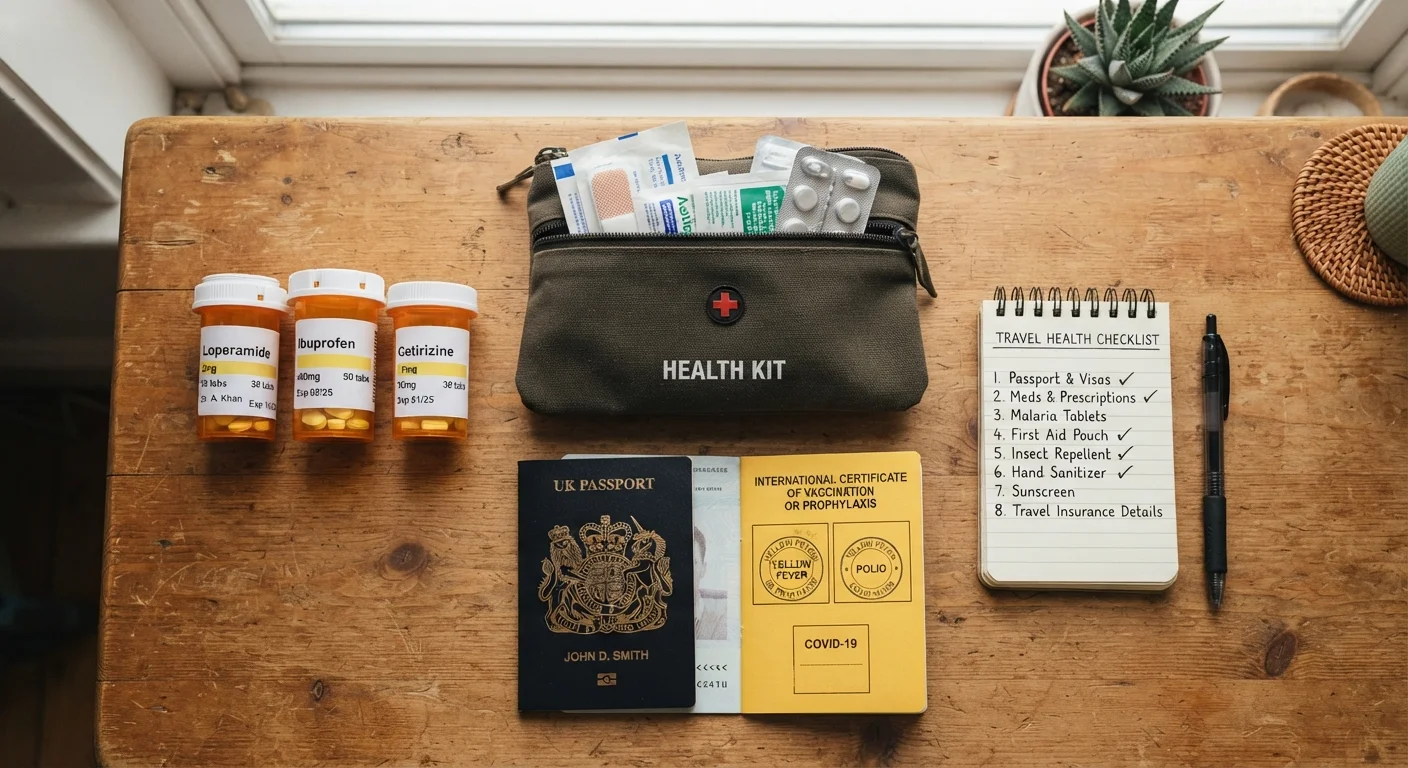
Photo: ResultsExplorer.com | Top Blogs For Everyone editorial
Key Takeaways
- Schedule a travel health consultation at least 4–6 weeks before international departure.
- Vaccination requirements and recommendations vary by destination — verify with official sources.
- Carry copies of all prescriptions and a medication list, not just the bottles.
- Review your health insurance coverage and consider supplemental travel medical insurance.
- Research your destination's specific health risks using CDC and State Department resources.
Why Travel Health Planning Matters
Most trip planning focuses on flights, hotels, and itineraries. Health preparation gets treated as an afterthought — until something goes wrong abroad. An unexpected illness, a forgotten prescription, or an unrecognized vaccine requirement can derail a trip far more thoroughly than a missed connection.
This checklist is designed to help you work through the essential health steps before any trip — domestic or international. For international travel especially, some items (like certain vaccinations) require weeks of lead time, so starting early matters. Use the destination health risks guide to look up specific concerns for your planned location before working through this list.
This article provides general health information to support your planning. It is not a substitute for personalized medical advice. Always consult a qualified healthcare provider about your individual health needs before traveling.
CDC Travelers' Health Website (wwwnc.cdc.gov/travel)
Look up destination-specific vaccination recommendations, disease risks, and travel health notices from a US federal health authority.
US State Department Travel Advisories (travel.state.gov)
Check official safety and health advisories, entry requirements, and emergency contact information for your destination country.
Travel Medicine Clinic
Specialized providers who can administer travel vaccines, prescribe preventive medications, and advise on destination-specific risks.
International Certificate of Vaccination ('Yellow Card')
Official proof of vaccination required for entry to some countries; issued at designated clinics and travel medicine centers.
Personal medication list document
A written or printed record of all your medications, doses, and medical conditions to share with foreign healthcare providers if needed.
Your Pre-Trip Health Checklist
Work through these items in roughly the order listed. Items under Medical Consultation and Vaccinations should be addressed first — some vaccines require a series of doses over several weeks and cannot be rushed.
Medical Consultation
Vaccinations
Medications and Prescriptions
Insurance and Documentation
Don't Wait Until the Week Before
Once your medical groundwork is done, pair this checklist with the pre-departure checklist for the final week before you leave — it covers documents, reservations, and last-minute health confirmations together.
Medications, Insurance, and Documentation
Prescription management is one of the most commonly overlooked parts of travel health planning. Travelers often pack the bottles but forget the paperwork that makes crossing borders or replacing a lost supply possible. See our companion article on traveling with medications for a detailed look at declarations, storage requirements, and local regulations by destination type.
Keep Prescription Documentation Accessible
On the insurance side, standard US health plans — including many employer-sponsored plans and Medicare — may provide limited or no coverage for care received outside the country. Review your current policy's international terms before assuming you're covered. Travel insurance explained breaks down the types of coverage available and what the fine print typically excludes.
If your destination involves high elevations, review altitude and your body for what to discuss with your provider ahead of time. And if you're prone to travel anxiety or find long trips mentally draining, mental wellbeing while traveling offers practical strategies worth reading before you go.
Finally, knowing what to do if you do get sick abroad reduces panic significantly. What happens when you get sick abroad walks through finding care, communicating symptoms, and managing costs in an unfamiliar system.
This article is for general informational purposes only and does not constitute medical advice. Consult a licensed healthcare professional for guidance specific to your health history and travel destination.
The content provided on our blog site traverses numerous categories, offering readers valuable and practical information. Readers can use the editorial team’s research and data to gain more insights into their topics of interest. However, they are requested not to treat the articles as conclusive. The website team cannot be held responsible for differences in data or inaccuracies found across other platforms. Please also note that the site might also miss out on various schemes and offers available that the readers may find more beneficial than the ones we cover.