
Mental Wellbeing While Traveling: Managing Anxiety, Disruption, and Loneliness

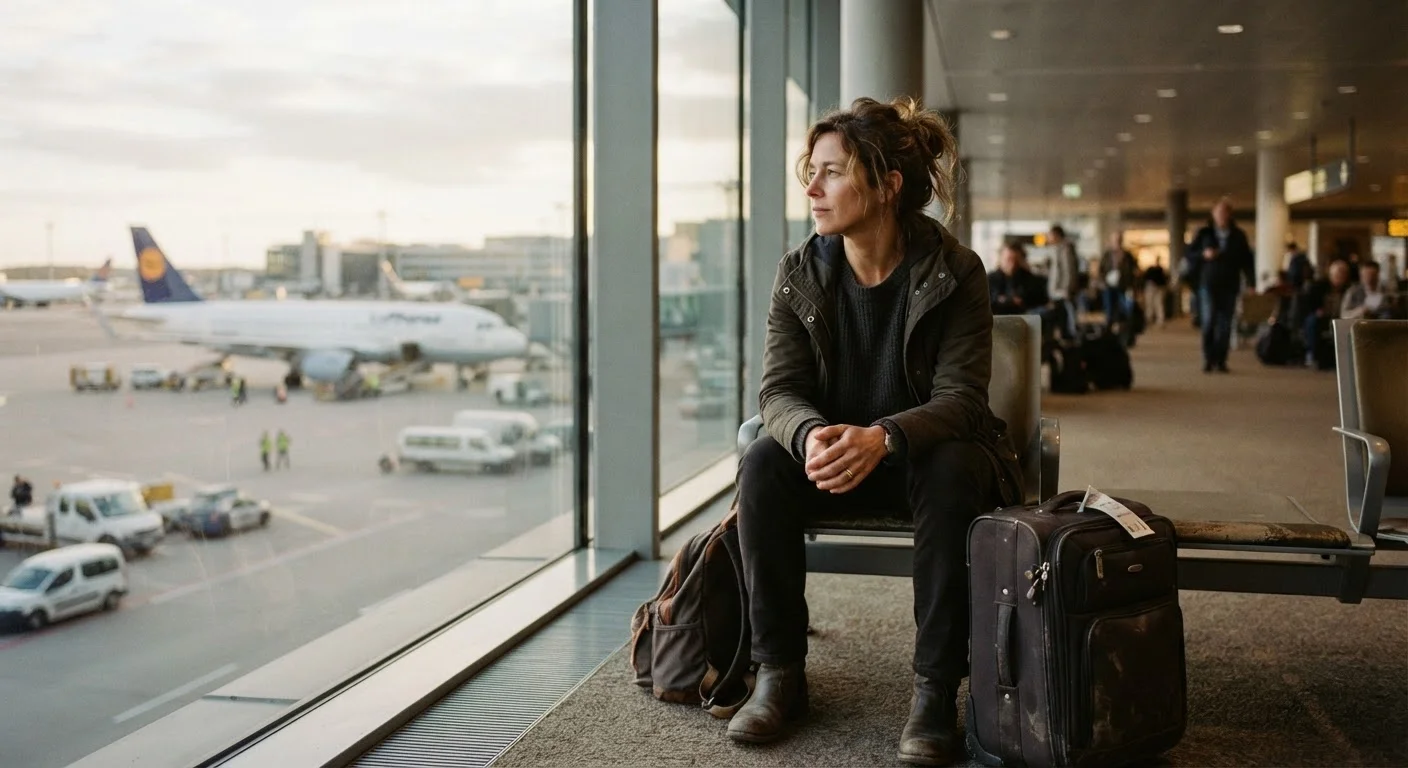
Photo: ResultsExplorer.com | Top Blogs For Everyone editorial
Key Takeaways
- Travel-related anxiety and loneliness are common and manageable with practical strategies.
- Disruptions are easier to handle when you've set realistic expectations before the trip.
- Maintaining small daily anchors — sleep, movement, connection — helps stabilize mood on the road.
- Solo travelers should plan intentional social moments to counter isolation.
- If anxiety or low mood persists beyond normal adjustment, consulting a professional is the right step.
Why Travel Strains Mental Health
Travel is often framed as purely restorative, but the reality is more complicated. New environments, unpredictable schedules, unfamiliar food, language barriers, and the pressure to enjoy every moment can collectively tax your mental and emotional resources — even on a trip you chose and planned carefully.
Research on stress consistently shows that novelty, while stimulating, also demands more cognitive effort. Your brain is constantly processing unfamiliar inputs, which is tiring. Add disrupted sleep from time zone changes — something our jet lag guide explores in depth — and the physiological baseline for anxiety rises before any external stressor even appears.
Understanding this isn't a reason to avoid travel. It's a reason to plan for mental wellness with the same deliberateness you bring to booking flights or packing a bag.
~40%
Travelers reporting significant stress during trips
Surveys by travel health organizations consistently find that a substantial minority of travelers experience notable stress or anxiety during journeys, particularly on international trips.
2–3 days
Typical adjustment period in a new environment
Travel medicine practitioners generally note that most people begin to emotionally settle into a new destination within the first two to three days, assuming sleep is adequate.
Managing Travel Anxiety Before and During a Trip
Anxiety before or during travel usually has identifiable triggers: fear of flying, unfamiliar environments, health concerns, or the logistics of navigating somewhere new. The goal isn't to eliminate these feelings — it's to reduce their impact so they don't override the trip.
Before You Leave
- Research selectively. Knowing what to expect at your destination reduces uncertainty, but obsessive research can amplify worry. Set a limit on how much planning is enough.
- Prepare a contingency list. Write down answers to your most anxiety-provoking what-ifs: what clinic would you visit if you fell ill, where is the nearest embassy, what's your accommodation's cancellation policy. Our pre-trip health planning guide covers the medical side of this preparation well.
- Pack a comfort kit. A familiar item — a playlist, a specific tea, noise-canceling headphones — can serve as a reliable anchor when everything else is unfamiliar.
During the Trip
- Use grounding techniques when anxiety spikes: slow breathing (inhale for four counts, hold for four, exhale for six) is a widely recommended method for calming acute stress responses.
- Limit real-time news consumption about your destination — it can amplify perceived threat beyond actual risk.
Write your top three anxiety triggers before the trip and note one realistic response to each. Having the answer already decided reduces the cognitive load when the moment arrives.
If you use a therapist at home, schedule a check-in session for the week before departure and one for shortly after return — the transition points, not mid-trip, are often when support matters most.
Coping With Disruption: Delays, Cancellations, and the Unexpected
Disruptions — a canceled flight, a lost bag, a hotel that doesn't match the listing — are not failures of planning. They're statistical near-certainties over a lifetime of travel. The mental load they impose comes largely from the gap between expectation and reality.
A few approaches help close that gap:
- Build buffer time. Tight itineraries leave no room to absorb problems. A loose day between major legs gives you space to recover from delays without cascading consequences.
- Shift from problem-solving to problem-accepting first. When something goes wrong, resist the urge to fix it immediately. Take ten minutes to acknowledge the frustration before acting. Decisions made in the middle of an emotional spike are often worse.
- Identify what you can control. You can't control airline operations. You can control whether you've charged your phone, downloaded offline maps, and know your travel insurance coverage basics.
If you're traveling with others, disruptions can also create interpersonal friction. The group travel planning guide has useful strategies for keeping communication constructive when plans fall apart.
Loneliness on the Road: Recognizing and Addressing It
Loneliness during travel — especially solo travel — is underreported because it feels at odds with the adventure narrative. But being physically surrounded by new places doesn't guarantee emotional connection. Loneliness is the perception of insufficient social connection, not simply being alone, and it can emerge even mid-trip.
Signs it may be affecting you: difficulty enjoying activities you'd normally find engaging, excessive time on your phone reconnecting with home, withdrawal from opportunities to interact with others, or a persistent low mood that sleep doesn't resolve.
Practical Countermeasures
- Schedule connection, don't wait for it. Book a cooking class, join a walking tour, or sit at a communal table. Structured social formats reduce the social effort required.
- Maintain contact with your home network without over-relying on it. A daily check-in message is grounding; constant real-time calls can make it harder to engage with where you actually are.
- Be honest with yourself. If loneliness is a recurring pattern across trips, it may be worth exploring with a mental health professional before your next journey — not as a barrier to travel, but as preparation for it.
For solo travelers, building safety habits alongside social habits matters too. Our solo travel safety guide covers situational awareness as a confidence-building skill.
Building a Simple Mental Wellness Routine for Travel
Consistency is a stabilizer for mood. When your environment changes daily, small repeatable behaviors provide structure that helps your nervous system feel safe. A travel wellness routine doesn't need to be elaborate — it needs to be sustainable.
- Protect sleep as a priority, not an afterthought. Sleep deprivation amplifies emotional reactivity significantly. Use earplugs, an eye mask, or white noise apps if needed.
- Move your body daily. Even a 20-minute walk in a new neighborhood serves dual purpose: mild exercise and gentle exposure to your surroundings without the pressure of sightseeing.
- Eat at reasonable intervals. Skipping meals in pursuit of more activities creates a physical stress response that looks a lot like anxiety.
- Set a daily low-stakes anchor. A morning coffee ritual, an evening journal entry, or a five-minute check-in with yourself — something that signals continuity across otherwise varied days.
For deeper context on how mental wellness needs shift across life stages and circumstances, the mental well-being across the lifespan article offers useful background.
When to Seek Professional Support
General travel stress is normal. But some experiences during or after travel can tip into territory that warrants professional guidance: persistent panic attacks, inability to function day-to-day, severe low mood lasting more than a week or two, or trauma responses following a difficult incident abroad.
If you're traveling and need immediate mental health support, options include:
- Contacting your travel insurance provider — many policies include access to a mental health helpline or can facilitate a referral.
- Reaching out to your country's embassy or consulate for assistance locating mental health services locally.
- Using telehealth platforms that allow video or phone sessions with licensed therapists across time zones — verify in advance whether your provider operates in the countries you'll visit.
If you become physically unwell abroad and the situation is adding significant mental strain, our guide to getting sick abroad can help you navigate that practically.
This article is for general informational purposes only and does not constitute medical or mental health advice. If you are experiencing significant distress, anxiety, or symptoms of a mental health condition, please consult a qualified mental health professional. In an emergency, contact local emergency services immediately.
The content provided on our blog site traverses numerous categories, offering readers valuable and practical information. Readers can use the editorial team’s research and data to gain more insights into their topics of interest. However, they are requested not to treat the articles as conclusive. The website team cannot be held responsible for differences in data or inaccuracies found across other platforms. Please also note that the site might also miss out on various schemes and offers available that the readers may find more beneficial than the ones we cover.