
Spark Plugs: The Small Component That Has an Outsized Effect on Engine Performance

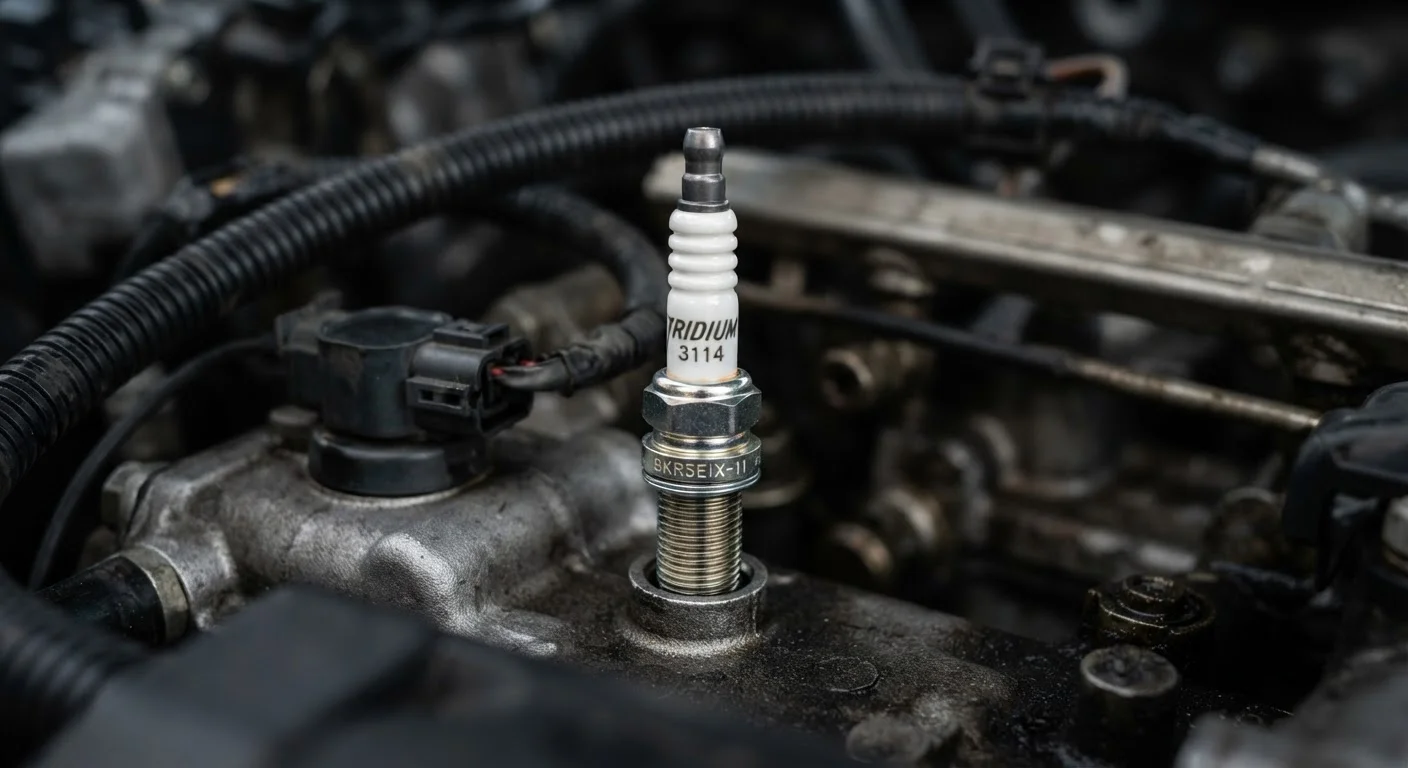
Photo: ResultsExplorer.com | Top Blogs For Everyone editorial
Key Takeaways
- Spark plugs ignite the air-fuel mixture in each engine cylinder, making them essential to engine operation.
- A worn or fouled spark plug can cause misfires, reduced fuel economy, and rough idling.
- Most manufacturers recommend replacing spark plugs every 30,000 to 100,000 miles, depending on plug type.
- Common symptoms of failing plugs include hard starting, engine hesitation, and a check-engine light.
- Replacing spark plugs is relatively low-cost preventive maintenance that protects more expensive engine components.
What a Spark Plug Actually Does
Every time you turn the key or press the start button, your engine begins a rapid, repeating process: air and fuel mix inside each cylinder, that mixture is compressed, and then ignited. The spark plug handles that final, critical step - ignition. It receives a high-voltage pulse from the ignition coil and generates a small electrical arc across a gap at its tip. That arc ignites the compressed mixture, which expands rapidly and pushes the piston down, converting chemical energy into mechanical motion.
A four-cylinder engine has four spark plugs - one per cylinder. A V8 has eight. Each plug fires hundreds of times per minute under normal driving conditions, tolerating extreme heat and pressure with every cycle. Despite this workload, most drivers rarely think about them until something goes wrong.
“The spark plug is essentially the last link in the ignition chain. Everything upstream - the coil, the wires, the timing - has to work together, but the plug is where the combustion event actually begins.”
— Automotive Engineering Editorial Note, General principle cited across automotive engineering references
Signs Your Spark Plugs May Need Attention
Spark plugs degrade gradually, so symptoms often appear slowly before becoming obvious. Recognizing them early can prevent minor issues from escalating into costly repairs - a pattern explored in detail in our article on minor car problems that quietly grow into major repairs.
- Engine misfires: A rough, stuttering sensation during acceleration or idle, sometimes accompanied by a check-engine light.
- Hard starting: If the engine cranks longer than usual before firing, weak spark is a common cause.
- Reduced fuel economy: Incomplete combustion means more fuel is used for the same output.
- Sluggish acceleration: The engine hesitates or feels underpowered when you press the gas pedal.
- Rough idle: The engine shakes or sounds uneven when sitting at a stoplight.
These symptoms can also stem from other causes - a clogged engine air filter can produce similar performance issues - so a proper diagnosis is important before assuming spark plugs are the sole culprit.
~30,000
Miles before conventional copper plugs typically need replacement
Most vehicle manufacturers specify replacement intervals in the owner's manual; copper plugs sit at the shorter end of the range.
Up to 100,000
Miles some iridium spark plugs are rated to last
Iridium plugs command a higher upfront cost but require less frequent replacement in vehicles where they are specified.
4-8
Spark plugs in a typical passenger vehicle
One plug per cylinder is standard; most cars have four to eight cylinders, with each plug firing hundreds of times per minute.
Understanding Spark Plug Types and Replacement Intervals
Not all spark plugs are created equal. The most common types differ in electrode material, longevity, and cost:
- Copper (conventional): Good conductivity but the shortest lifespan - typically around 30,000 miles. Common in older vehicles.
- Platinum: More durable than copper, usually rated for 60,000 miles or more.
- Iridium: The hardest and most heat-resistant option, with some manufacturers rating them up to 100,000 miles.
Your vehicle's owner's manual is the definitive source for the correct plug type and replacement interval. Following that schedule is straightforward preventive maintenance - the kind that keeps small costs small.
Check Your Owner's Manual First
What Causes Spark Plugs to Wear Out?
The electrode gap at the tip of a spark plug widens slightly with every firing cycle as metal erodes. As that gap grows, the ignition system must work harder to bridge it - eventually, the spark becomes weak or unreliable. Beyond normal wear, plugs can also become fouled - coated with deposits from oil, carbon, or fuel - which insulates the electrode and prevents a clean spark.
Oil fouling, in particular, can signal a deeper engine issue, such as worn valve seals or piston rings. In those cases, replacing the plugs without addressing the underlying problem will only provide temporary relief. A qualified mechanic can inspect the removed plugs and read their condition to help identify what's happening inside the engine.
Frequently Asked Questions
The content provided on our blog site traverses numerous categories, offering readers valuable and practical information. Readers can use the editorial team’s research and data to gain more insights into their topics of interest. However, they are requested not to treat the articles as conclusive. The website team cannot be held responsible for differences in data or inaccuracies found across other platforms. Please also note that the site might also miss out on various schemes and offers available that the readers may find more beneficial than the ones we cover.