
Reading the Road in Bad Weather: Rain, Fog, Ice, and Snow

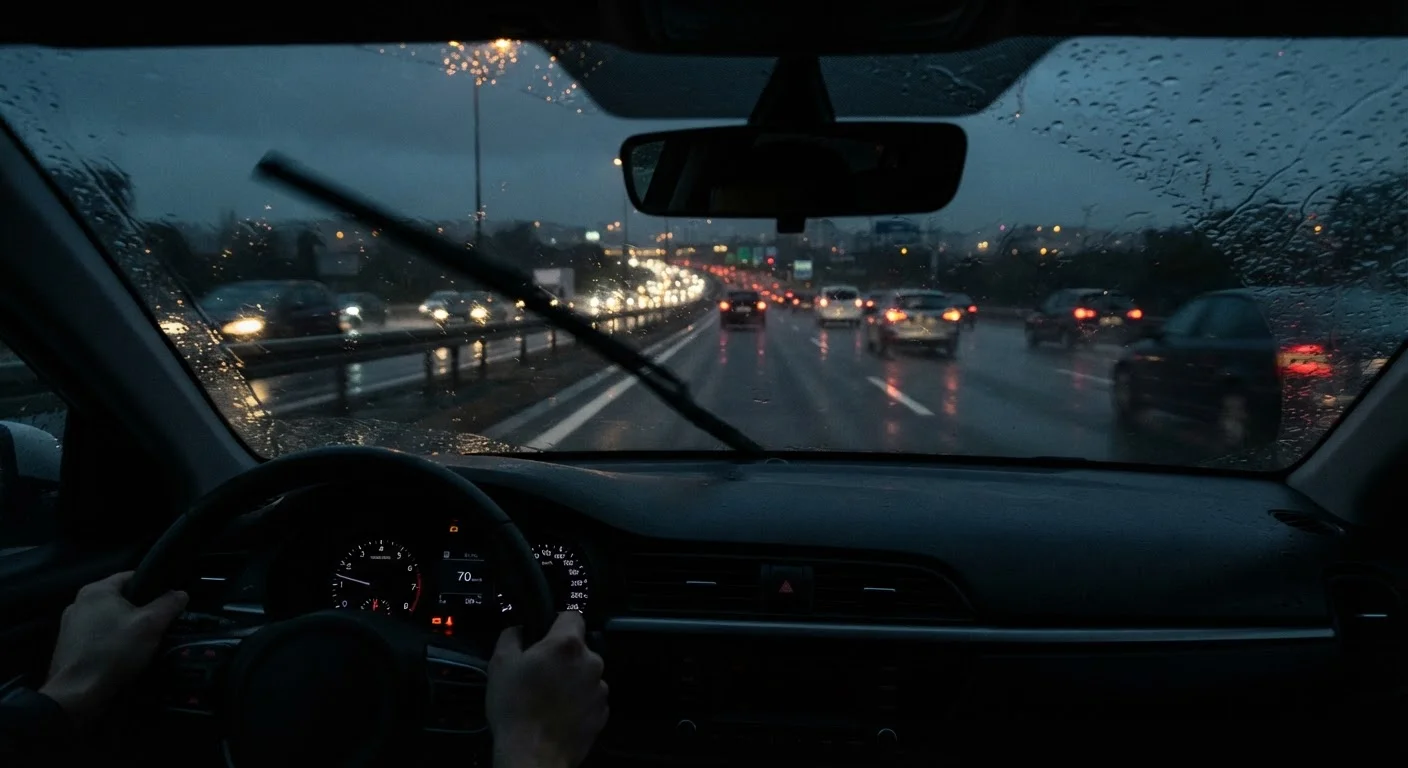
Photo: ResultsExplorer.com | Top Blogs For Everyone editorial
Key Takeaways
- Rain, fog, ice, and snow each create distinct hazards that require specific driving adjustments beyond simply slowing down.
- Many states legally require headlights on in rain or fog - check your state's specific rules before assuming otherwise.
- Stopping distances can increase by two to ten times on wet or icy roads compared to dry pavement.
- Black ice is nearly invisible and most common on bridges, overpasses, and shaded stretches of road.
- Preparing your vehicle before bad weather arrives is as important as adjusting your technique while driving in it.
Why Weather Changes the Rules of the Road
Most drivers understand that bad weather calls for slower speeds - but that instinct only scratches the surface of what adverse conditions actually demand. Rain reduces tire grip and visibility simultaneously. Fog collapses the distance at which you can respond to hazards. Ice and snow alter the physics of braking and steering in ways that catch even experienced drivers off guard.
Beyond safety, weather also changes your legal obligations. State laws across the US impose requirements around headlight use, speed adjustments, and safe following distances that apply specifically in low-visibility or slippery conditions. Ignoring those requirements isn't just dangerous - it can leave you liable if an incident occurs. Before diving into condition-specific guidance, make sure your vehicle is ready for the season. See what to inspect on your car as the seasons change to cover the mechanical basics.
Below are the key adjustments every US driver should understand for the four most common types of adverse weather.
Rain: Grip Loss Happens Before You Notice It
Light rain is often the most deceptive condition. The first 10-15 minutes of rainfall on a dry road create a dangerous slick as water mixes with accumulated oil and dust. Hydroplaning - where tires ride on a film of water rather than pavement - can occur at highway speeds even in moderate rain, especially on tires with low tread depth.
Key adjustments for rain:
- Increase following distance to at least four to five seconds (compared to the standard three on dry roads).
- Avoid sudden braking or sharp steering inputs - smooth, gradual actions preserve traction.
- Turn on headlights, not just daytime running lights. Most states require headlights when wipers are in use - check your state's exact wording.
- If you feel hydroplaning, ease off the accelerator gently and steer straight; do not brake hard.
The first minutes of rain on dry pavement create the most dangerous surface conditions of the entire storm.
Fog: Slow Down and Resist the Urge to Overdrive Your Visibility
Fog reduces your effective sight distance dramatically - sometimes to fewer than 100 feet. The critical mistake most drivers make is traveling at a speed that would make it impossible to stop within the distance they can actually see. This is called overdriving your headlights, and it applies equally to fog.
Key adjustments for fog:
- Use low-beam headlights, not high beams. High beams reflect off fog particles and make visibility worse.
- If your vehicle has dedicated fog lights, use them - they're aimed lower and reduce glare.
- Reduce speed significantly and be prepared to stop within the visible distance ahead.
- Pull off the road completely - well clear of the travel lane - if fog becomes too dense to navigate safely. Turn on hazard lights if stopped.
Some states legally require headlights in fog conditions regardless of daytime hours. Look up your state's visibility threshold laws.
High beams in fog make visibility worse - always use low beams or dedicated fog lights.
Ice: Understand Where It Forms and How to Respond
Ice is the most unforgiving driving surface because it can appear without obvious visual cues. Black ice - a thin, transparent glaze that forms on pavement - is especially hazardous because drivers often don't recognize it until they've lost control. Road temperatures can be at or below freezing even when ambient air feels mild, particularly at night or in shade.
Where ice is most common:
- Bridges and overpasses (cold air circulates beneath, cooling them faster)
- Shaded sections under trees or buildings
- Intersections where traffic has polished snow into a smooth glaze
- Road dips or low-lying areas where water pools and freezes
If you start to slide on ice:
- Do not brake suddenly - ease off the accelerator.
- Steer gently in the direction you want the front of the car to go.
- With anti-lock brakes (ABS), apply steady brake pressure; without ABS, pump the brakes lightly.
Bridges freeze before flat roadways - treat them as potentially icy whenever temperatures are near or below freezing.
Snow: Traction, Visibility, and Legal Requirements Vary by State
Snow affects both traction and visibility, and it can change character rapidly - fresh powder behaves differently from compacted snow or slush. In many states, driving with snow or ice covering your windows, mirrors, roof, or lights is illegal, and for good reason: snow ejected from your vehicle's roof at highway speed can seriously damage following vehicles or obstruct their view.
Key adjustments for snow:
- Clear all snow and ice from every window, mirror, and exterior light before driving - not just a small patch in front of you.
- Allow significantly more time for braking. Stopping distances on packed snow can be three to five times greater than on dry pavement.
- Use gentle acceleration to avoid wheelspin, especially on uphill grades.
- Know whether your state mandates snow tires or chains in certain conditions or zones - requirements vary widely.
All-wheel drive improves acceleration traction in snow but does not improve braking distances. Many AWD-equipped drivers overestimate their stopping ability on snow and ice.
All-wheel drive helps with acceleration in snow, but stopping distance is no shorter than a two-wheel-drive vehicle.
Speed and Following Distance: The Numbers Behind Safe Margins
"Reasonable and prudent" is the legal standard most US states apply in adverse conditions - meaning your speed must be appropriate for actual conditions, not just the posted limit. Driving the speed limit in a blizzard can still constitute reckless driving if conditions make that speed unsafe. Courts and insurers look at whether a driver exercised appropriate care for the conditions present.
General safe following distance guidelines in bad weather:
| Condition | Recommended Following Distance |
|---|---|
| Dry pavement | 3 seconds |
| Wet road (rain) | 4-5 seconds |
| Packed snow | 6-8 seconds |
| Ice | 10+ seconds |
These are general guidelines from driver safety education programs; adapt them to your vehicle, speed, and visibility conditions. When in doubt, more distance is always safer. Remember that the vehicle behind you also needs room - signal early and brake gradually to give following drivers time to respond.
In icy conditions, a following distance of ten seconds or more may still not guarantee a safe stop.
Vehicle Preparation: What You Need Before the Weather Hits
Technique and knowledge only go so far if your vehicle isn't equipped for conditions. Worn wiper blades, bald tires, and a weak battery are among the most common factors that turn routine bad-weather driving into emergencies.
Pre-season vehicle checks for adverse weather:
- Tires: Check tread depth (the penny test is a common guide - if you can see all of Lincoln's head, tread is likely too worn for rain or snow). Check pressure - cold air causes tire pressure to drop roughly 1 PSI for every 10°F temperature decrease.
- Wipers and washer fluid: Replace blades that streak or skip. Use washer fluid rated for freezing temperatures in winter.
- Headlights and taillights: Confirm all bulbs are functioning and lenses are clear.
- Brakes: Have a qualified mechanic inspect brake pads and rotors if you notice any squealing, pulling, or extended stopping distance.
- Battery: Cold weather reduces battery capacity. A battery that's marginal in fall may fail in winter.
For a full seasonal inspection framework, see our seasonal vehicle inspection guide.
Cold air drops tire pressure approximately 1 PSI for every 10°F - check pressure after any significant temperature drop.
Building the Habit of Weather-Ready Driving
Adverse weather driving isn't just a set of techniques - it's a mindset shift. The drivers most likely to maintain control in rain, fog, ice, or snow are those who prepare before conditions deteriorate, not after. That means checking tire tread, wiper blades, and brake response as part of routine seasonal upkeep.
Check Conditions Before Every Winter Trip
It also means understanding how road design interacts with weather. Bridges and overpasses freeze before flat road surfaces because cold air circulates beneath them. Curves and intersections hold standing water longer than straight stretches. Shaded lanes stay icy after sunny ones have cleared. Reading these clues requires attention - not just speed reduction.
Weather conditions also affect right-of-way dynamics. When visibility is limited or roads are slippery, the standard rules still apply, but everyone's margin for error shrinks. Review right-of-way rules most drivers misread every day to stay sharp on the foundational rules that govern shared road space. And since nighttime often compounds weather hazards, it's worth reviewing night driving safety rules as well - darkness and rain together create compounding visibility challenges that demand extra preparation.
This article is for general informational purposes only. Traffic laws vary by state - always verify current regulations in your jurisdiction before driving in adverse conditions.
The content provided on our blog site traverses numerous categories, offering readers valuable and practical information. Readers can use the editorial team’s research and data to gain more insights into their topics of interest. However, they are requested not to treat the articles as conclusive. The website team cannot be held responsible for differences in data or inaccuracies found across other platforms. Please also note that the site might also miss out on various schemes and offers available that the readers may find more beneficial than the ones we cover.