
Home Insulation for Beginners: What It Is, Where It Goes, and Why It Matters

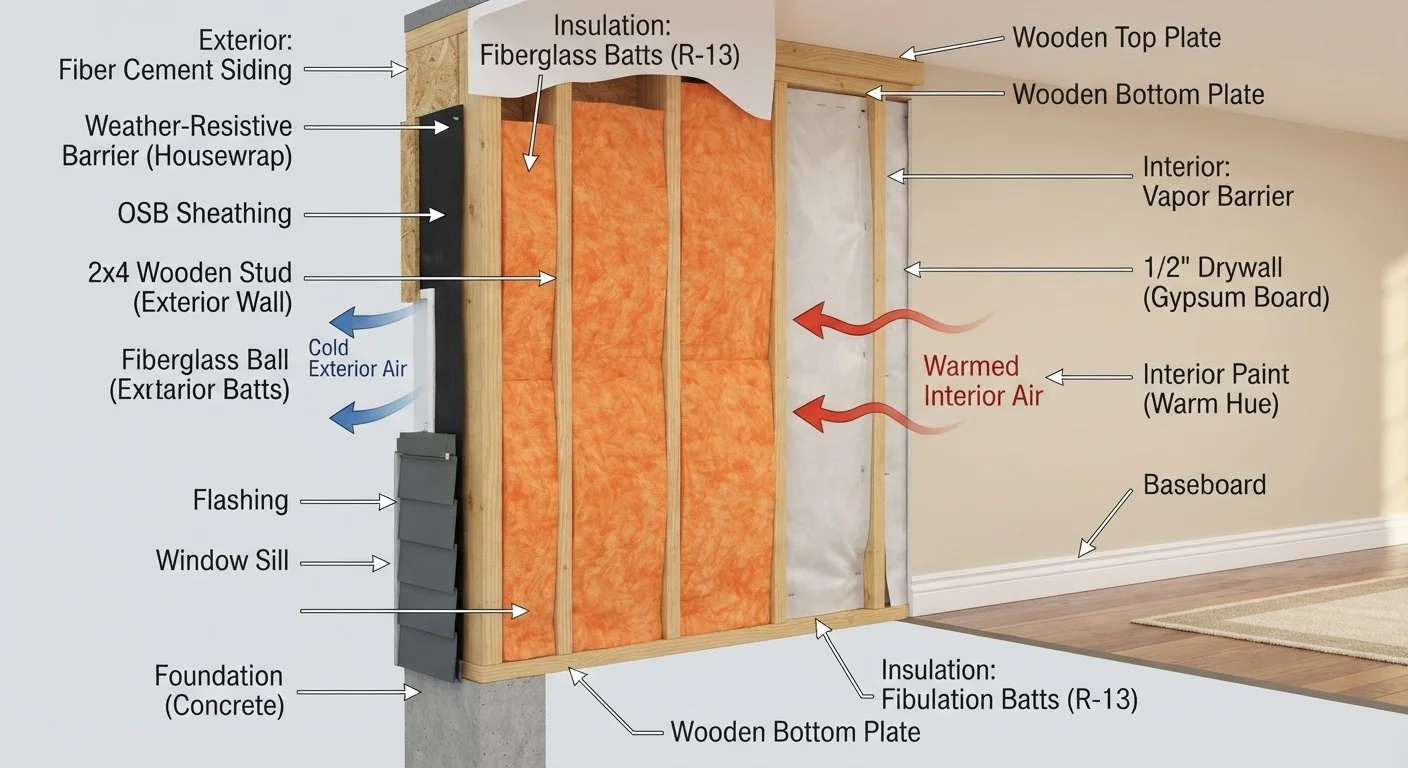
Photo: ResultsExplorer.com | Top Blogs For Everyone editorial
Key Takeaways
- Insulation slows heat transfer, keeping your home warmer in winter and cooler in summer.
- R-value measures how well insulation resists heat flow - higher numbers mean better performance.
- Different areas of a home require different insulation types and R-value targets.
- Older homes often have gaps in insulation coverage that are worth identifying and addressing.
- Some insulation work is DIY-friendly, but certain projects require a licensed contractor.
What Is Home Insulation?
Insulation is a material installed inside a home's walls, ceilings, and floors to slow the movement of heat. In winter, it helps hold warm air inside. In summer, it resists outdoor heat from pushing in. The result is a more stable indoor temperature and less strain on your heating and cooling systems.
Without adequate insulation, a home loses or gains heat quickly through its surfaces - a process called heat transfer. Insulation works by trapping air (or another gas) inside pockets of material, which dramatically slows that transfer. It doesn't generate heat; it simply makes it harder for heat to move.
This is a foundational concept for new homeowners getting familiar with their home's systems. Insulation works silently behind the scenes, but understanding it helps you make smarter decisions about energy efficiency and comfort.
Heat transfer
The movement of heat from a warmer area to a cooler one. In homes, this happens through walls, roofs, and floors - insulation slows this process down.
R-value
A number that measures how well a material resists heat flow. Higher R-values mean better insulating performance.
Thermal envelope
The boundary of your home that separates conditioned (heated or cooled) space from unconditioned space. Insulation is typically installed along this boundary.
Vapor barrier
A material that slows the movement of moisture through walls or floors. Some insulation types, like closed-cell spray foam, also function as vapor barriers.
Air sealing
The process of closing gaps and cracks where air can leak in or out of a home. Air sealing and insulation work together - insulation alone does not stop air movement.
Climate zone
A regional classification system used in the U.S. to group areas by typical temperature ranges. Your climate zone determines the recommended R-values for your home.
Understanding R-Values
R-value is the standard measure of how well insulation resists heat flow. The higher the R-value, the better the thermal resistance. A product labeled R-19 provides more resistance than one labeled R-13, for example.
Recommended R-values vary based on two factors: your U.S. climate zone (the country is divided into zones 1 through 8, from hottest to coldest) and the location in the home being insulated. Attics typically call for the highest R-values because heat rises and attic surfaces are most exposed. Floors over unheated spaces and exterior walls have their own targets.
You can stack insulation layers to achieve a higher combined R-value - adding R-19 batts on top of existing R-11 batts, for instance, yields approximately R-30. Note that R-value measures thermal resistance only; it does not account for air sealing, which is a separate but equally important factor in energy efficiency.
Common Insulation Types
Several materials are used for home insulation, each suited to different locations and budgets. Here are the most common ones you'll encounter:
- Fiberglass batts: Pre-cut panels of spun glass fibers that fit between standard wall studs and floor joists. One of the most widely available types, often used in attics and walls.
- Blown-in (loose-fill) insulation: Shredded fiberglass or cellulose blown into cavities using a machine. Useful for filling irregular spaces and adding insulation to existing attics.
- Spray foam: A liquid that expands and hardens, sealing gaps while providing insulation. Comes in open-cell (more flexible, lower R-value per inch) and closed-cell (denser, higher R-value, also a vapor barrier) varieties.
- Rigid foam boards: Dense panels used on foundation walls, exterior sheathing, or under floors. Resistant to moisture, making them useful in basements and crawl spaces.
- Mineral wool (rock wool): Made from volcanic rock or recycled steel slag; naturally fire-resistant and effective at blocking sound as well as heat.
Check the packaging before you buy
Where Insulation Goes in a Home
Every home has several key areas where insulation makes a meaningful difference. Knowing where these are helps you assess your own home more confidently.
- Attic
- The most impactful location in most homes. Heat rises, and an under-insulated attic is the fastest route for warmth to escape in winter. Insulation typically sits on the attic floor, over the living space below.
- Exterior walls
- Insulation inside wall cavities reduces heat transfer through vertical surfaces. In older homes, walls may be partially or entirely uninsulated - a common source of drafts.
- Floors over unheated spaces
- If your home has a crawl space or an attached garage beneath living areas, the floor above benefits from insulation to prevent cold from radiating upward.
- Basement walls and crawl spaces
- Rigid foam or spray foam is often used here. Moisture management is critical in these areas - insulation problems can compound into the kind of water and mold damage described in our guide on signs of water damage to watch for.
- Around HVAC ducts
- Ducts running through unheated attics or crawl spaces lose energy to the surrounding air. Insulating these helps your system work more efficiently.
Insulation works best alongside good ventilation and air sealing. See how ventilation affects moisture and energy costs for a fuller picture of how these systems interact.
When to Call a Professional
Some insulation tasks are within reach of a careful DIYer - adding fiberglass batts to an accessible attic floor, for example. But many situations call for a licensed contractor or energy auditor:
- Insulating inside finished walls (requires specialized equipment)
- Any work involving electrical wiring, HVAC equipment, or structural components
- Spray foam application, which involves chemical exposure and requires proper training
- Homes built before 1980, where older insulation materials like vermiculite or certain batt types may contain hazardous substances
- Crawl spaces with existing moisture problems that need remediation before insulation can be added
A home energy audit is a practical first step. An auditor uses tools like blower-door tests and infrared cameras to map exactly where your home is losing energy - giving you a prioritized action list rather than guesswork.
As you plan for colder months, a room-by-room weatherproofing walkthrough can help you coordinate insulation improvements with other sealing and system checks before temperatures drop. And if you're exploring heating options alongside insulation, it's worth understanding how different heating systems interact with insulated spaces.
Older homes may contain hazardous materials
Frequently Asked Questions
The content provided on our blog site traverses numerous categories, offering readers valuable and practical information. Readers can use the editorial team’s research and data to gain more insights into their topics of interest. However, they are requested not to treat the articles as conclusive. The website team cannot be held responsible for differences in data or inaccuracies found across other platforms. Please also note that the site might also miss out on various schemes and offers available that the readers may find more beneficial than the ones we cover.