
Keeping Drains Clear Without Damaging Your Pipes

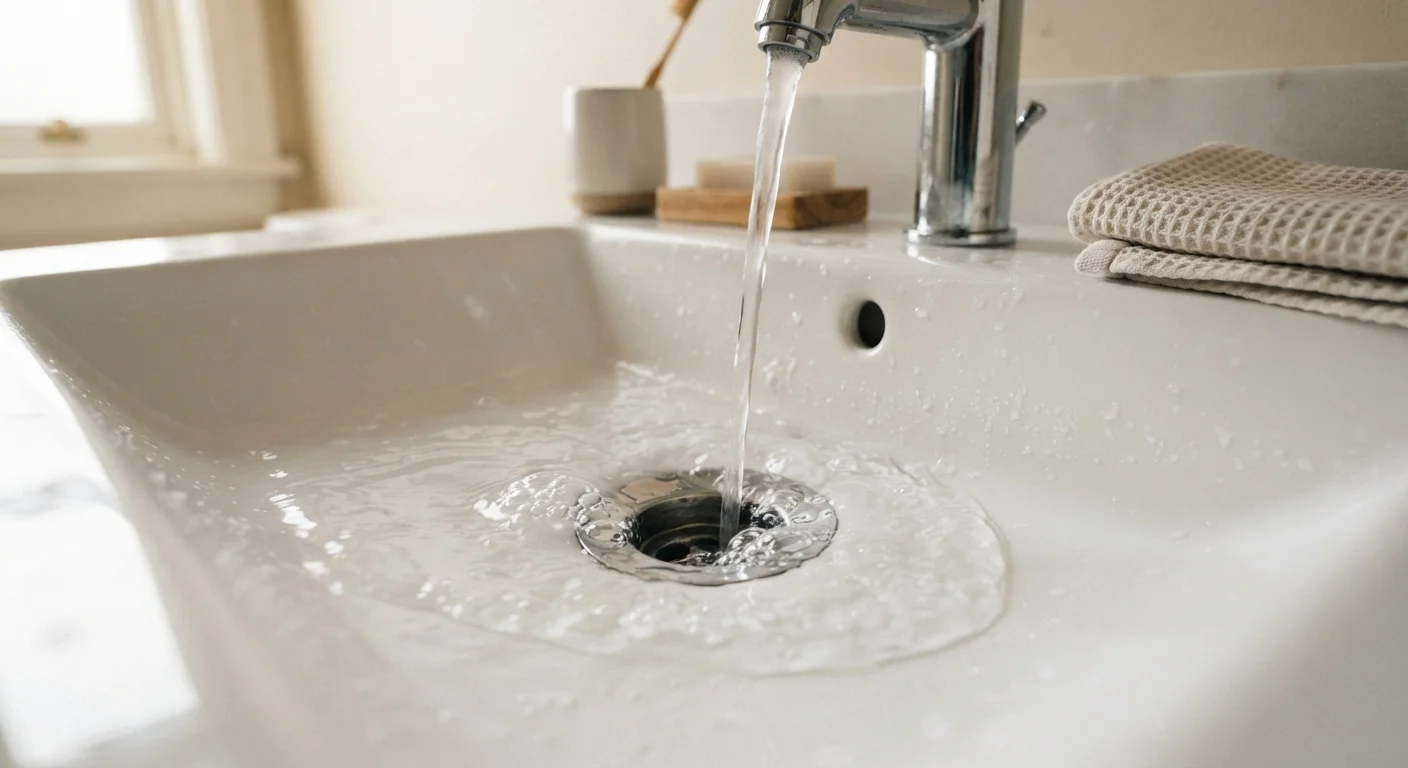
Photo: ResultsExplorer.com | Top Blogs For Everyone editorial
Key Takeaways
- Chemical drain cleaners can corrode pipes over time, especially older metal or PVC plumbing.
- Mechanical methods like drain snakes and plungers clear blockages safely and effectively.
- Regular preventive habits - such as using drain screens - reduce clog frequency significantly.
- Enzymatic drain treatments break down organic buildup without harming pipe materials.
- Knowing when to call a licensed plumber prevents minor clogs from becoming major failures.
Why Chemical Drain Cleaners Are Riskier Than They Seem
Liquid drain cleaners are a familiar sight under many kitchen sinks. They feel like a quick fix, but the chemistry that dissolves a clog doesn't distinguish between the clog and your pipes. Most commercial drain cleaners rely on highly caustic ingredients - sodium hydroxide (lye) or sulfuric acid - that generate heat as they react. That heat and chemical action can soften PVC plastic pipes, accelerate corrosion in older metal pipes, and degrade rubber gaskets and seals over time.
Using these products occasionally in a genuine emergency is unlikely to cause immediate catastrophic damage, but repeated use compounds the risk with every application. Older homes with cast-iron or galvanized steel drain pipes are especially vulnerable. Even in newer construction, frequent chemical treatments can shorten the serviceable life of pipe joints and fittings.
As the home maintenance myths article notes, some widely accepted shortcuts end up costing homeowners more in the long run - chemical drain cleaners are a textbook example.
Safer Methods That Actually Work
The good news is that most household clogs respond well to mechanical or low-chemistry approaches that carry far less risk to your plumbing.
For stubborn clogs that resist plunging, a handheld drain snake (also called a drain auger) reaches deeper into the pipe to physically break up or retrieve the obstruction. These tools are inexpensive, reusable, and safe for virtually all pipe materials when used with moderate force.
Building a Preventive Routine
The most effective drain maintenance happens before a clog forms. A few consistent habits reduce the frequency of blockages dramatically.
Enzymatic drain treatments are worth keeping in your maintenance toolkit. These products use naturally occurring bacteria and enzymes to digest organic matter - hair, soap scum, food residue - inside your pipes. They work slowly compared to caustic cleaners, but they're safe for all pipe types, septic systems, and the environment. A monthly application in kitchen and bathroom drains helps prevent the gradual buildup that leads to stubborn clogs.
It's also worth learning what not to put down your drains. Cooking grease, coffee grounds, and fibrous food scraps are leading causes of kitchen drain blockages. In bathrooms, hair is the primary culprit. Small behavioral changes at the source prevent most of the problems that lead homeowners to reach for chemical solutions.
Deferred drain care is one of those small neglected tasks that can compound into bigger plumbing failures - a pattern described in detail in our look at the hidden costs of skipping routine home maintenance.
When to Stop DIY and Call a Plumber
Not every drain problem is a DIY situation. If multiple drains in your home are slow at the same time, or if you're experiencing gurgling sounds from toilets when other fixtures drain, you may have a blockage deeper in your main drain line - not just at an individual fixture. These symptoms warrant a call to a licensed plumber rather than further DIY attempts.
Similarly, if you notice recurring slow drains even after thorough cleaning, it may signal a more serious issue: tree root intrusion, pipe collapse, or significant scale buildup. A plumber can use a drain camera to inspect the line and give you an accurate diagnosis. This kind of proactive inspection work is easy to overlook but valuable for protecting your home's infrastructure.
Attempting aggressive DIY methods on a damaged or partially collapsed pipe can make the situation significantly worse. When in doubt, professional assessment is the safer and often more cost-effective path.
This article provides general home maintenance information for educational purposes. Plumbing systems vary by home age, materials, and local codes. Always consult a licensed plumber for diagnosis and repairs beyond routine maintenance.
The content provided on our blog site traverses numerous categories, offering readers valuable and practical information. Readers can use the editorial team’s research and data to gain more insights into their topics of interest. However, they are requested not to treat the articles as conclusive. The website team cannot be held responsible for differences in data or inaccuracies found across other platforms. Please also note that the site might also miss out on various schemes and offers available that the readers may find more beneficial than the ones we cover.