
Debt & Credit: Everything in One Place

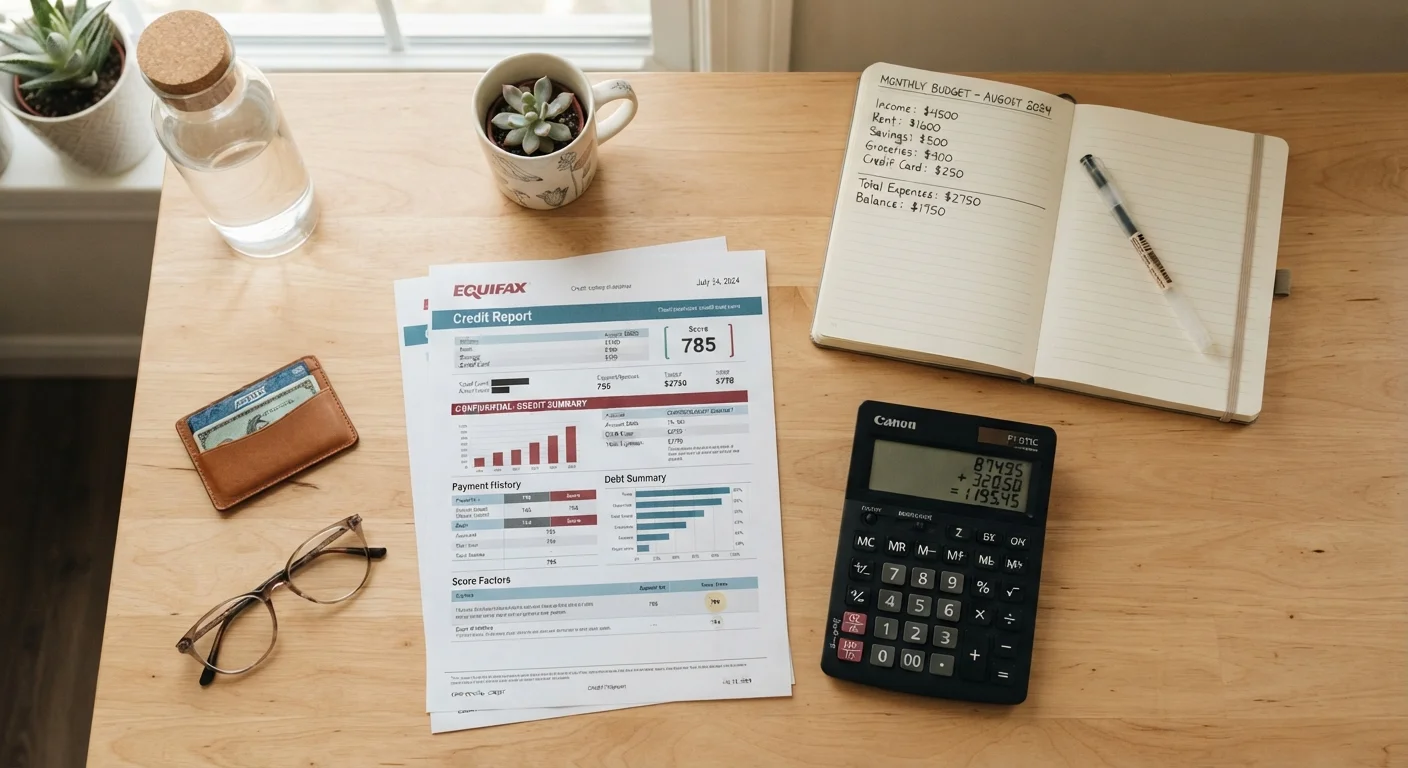
Photo: ResultsExplorer.com | Top Blogs For Everyone editorial
Key Takeaways
- Credit scores are calculated from five factors, with payment history carrying the most weight.
- Not all debt is harmful — context and terms matter more than the type of borrowing.
- Your free annual credit report is a powerful tool for spotting errors and tracking progress.
- Avalanche and snowball are two proven strategies for paying down multiple debts.
- Always consult a licensed financial professional before making major borrowing decisions.
How Debt and Credit Are Connected
Debt and credit are two sides of the same coin. Credit refers to your ability to borrow money — it's the trust a lender extends to you based on your financial history. Debt is what results when you use that credit: the balance you owe, plus any interest and fees that accrue over time.
These two concepts interact constantly. How responsibly you manage debt shapes your credit profile, and your credit profile determines the terms you're offered on future debt. This feedback loop makes understanding both topics essential for anyone navigating personal finance.
For a quick reference on the terminology that comes up most often — APR, utilization, hard inquiry, and more — see our plain-English credit glossary.
How Credit Scores Work
A credit score is a three-digit number — typically ranging from 300 to 850 — that summarizes your creditworthiness at a given moment. Lenders use it to quickly estimate how likely you are to repay a loan. The most widely used scoring models are built by FICO and VantageScore, though lenders may use variations of each.
The five main factors that influence a standard FICO score are:
- Payment history (35%): Whether you pay on time, every time.
- Amounts owed (30%): Your credit utilization ratio — how much of your available credit you're using.
- Length of credit history (15%): How long your accounts have been open.
- Credit mix (10%): The variety of account types you hold (cards, loans, mortgages).
- New credit (10%): Recent applications and hard inquiries.
35%
Weight of payment history in FICO score
According to FICO's published scoring methodology, on-time payments carry more weight than any other single factor.
30%
Impact of credit utilization on score
Keeping utilization below 30% of available credit is a commonly cited guideline among credit educators, though lower is generally better.
1 in 5
Americans with a credit report error
A study by the Federal Trade Commission found that roughly one in five consumers had an error on at least one of their three major credit reports.
Several widely repeated beliefs about credit scores turn out to be false. For example, checking your own score does not hurt it. Our article on common credit score myths corrects the most damaging misconceptions in detail.
You're also entitled to review your credit report — the underlying data that feeds your score — for free. Our first-timer's guide to reading a credit report explains every section line by line.
Types of Debt You May Encounter
Not all debt functions the same way. The two broadest categories are secured debt and unsecured debt. Secured debt is backed by collateral — an asset the lender can claim if you default. Mortgages and auto loans are common examples. Unsecured debt, like credit cards and most personal loans, carries no such collateral, which is why it typically comes with higher interest rates.
Understanding this distinction matters because it shapes your risk, your obligations, and the consequences of falling behind. Our guide on secured vs. unsecured debt explains how each type affects what you actually owe — and what's at stake if you can't pay.
When comparing loan offers, look at the APR — not just the interest rate. APR includes fees and gives you a more accurate picture of total borrowing cost.
Keep your oldest credit account open even if you rarely use it. Closing it can shorten your average account age and potentially lower your score.
Debt Repayment Strategies
If you're carrying multiple balances, choosing a structured repayment approach can help you make meaningful progress and stay motivated. Two methods are widely discussed in personal finance:
- Avalanche method
- Direct extra payments to the debt with the highest interest rate first. Once it's paid off, roll those payments to the next-highest rate. This approach minimizes total interest paid over time.
- Snowball method
- Pay off the smallest balance first, regardless of interest rate. The quick wins can build psychological momentum. This method may cost more in interest but works well for people who need early motivation.
Neither method is universally superior — the right choice depends on your interest rates, balances, and what keeps you consistent. If budgeting feels like the missing piece, our budgeting basics hub offers strategies for aligning your spending plan with debt repayment goals.
Borrowing Responsibly
Taking on debt isn't inherently harmful — but borrowing without a plan often is. Before signing any loan agreement or opening a new credit line, it helps to ask a few grounding questions: What is the total cost of this debt over its full term? How does this monthly payment fit into my current budget? What happens if my income changes?
Our article on borrowing wisely walks through the principles that help consumers evaluate any lending offer with clear eyes — not just the headline interest rate, but the full picture of what you're committing to.
This article is for general informational purposes only and does not constitute personalized financial, legal, or tax advice. Consult a licensed financial professional before making decisions based on your specific circumstances.
Where to Go From Here
Building a healthy relationship with debt and credit is a long-term process — not a single decision. The most productive next step is usually the most immediate one: pull your free credit report, review it for accuracy, and identify one area to address first.
From there, the resources below can help you go deeper on whichever topic is most relevant to your situation right now. Whether you're building credit from scratch, working through repayment, or preparing to borrow for a major purchase like a vehicle (see our car ownership basics for context on auto financing), the principles covered here apply broadly.
Plain-English Credit Glossary
A concise reference covering the credit and debt terms that appear most often — from APR to charge-off — written for everyday borrowers, not financial professionals.
First-Timer's Credit Report Walkthrough
A section-by-section explanation of how to read your credit report, what each part means, and how to identify potential errors worth disputing.
Borrowing Wisely: Principles for Taking on Debt
A framework for evaluating any loan or credit line before you commit — covering total cost, monthly fit, and the questions every borrower should ask.
AnnualCreditReport.com
The federally authorized source for free credit reports from all three major bureaus. US consumers are entitled to free access periodically under federal law.
The content provided on our blog site traverses numerous categories, offering readers valuable and practical information. Readers can use the editorial team’s research and data to gain more insights into their topics of interest. However, they are requested not to treat the articles as conclusive. The website team cannot be held responsible for differences in data or inaccuracies found across other platforms. Please also note that the site might also miss out on various schemes and offers available that the readers may find more beneficial than the ones we cover.