
Secured vs. Unsecured Debt: How the Distinction Shapes What You Owe

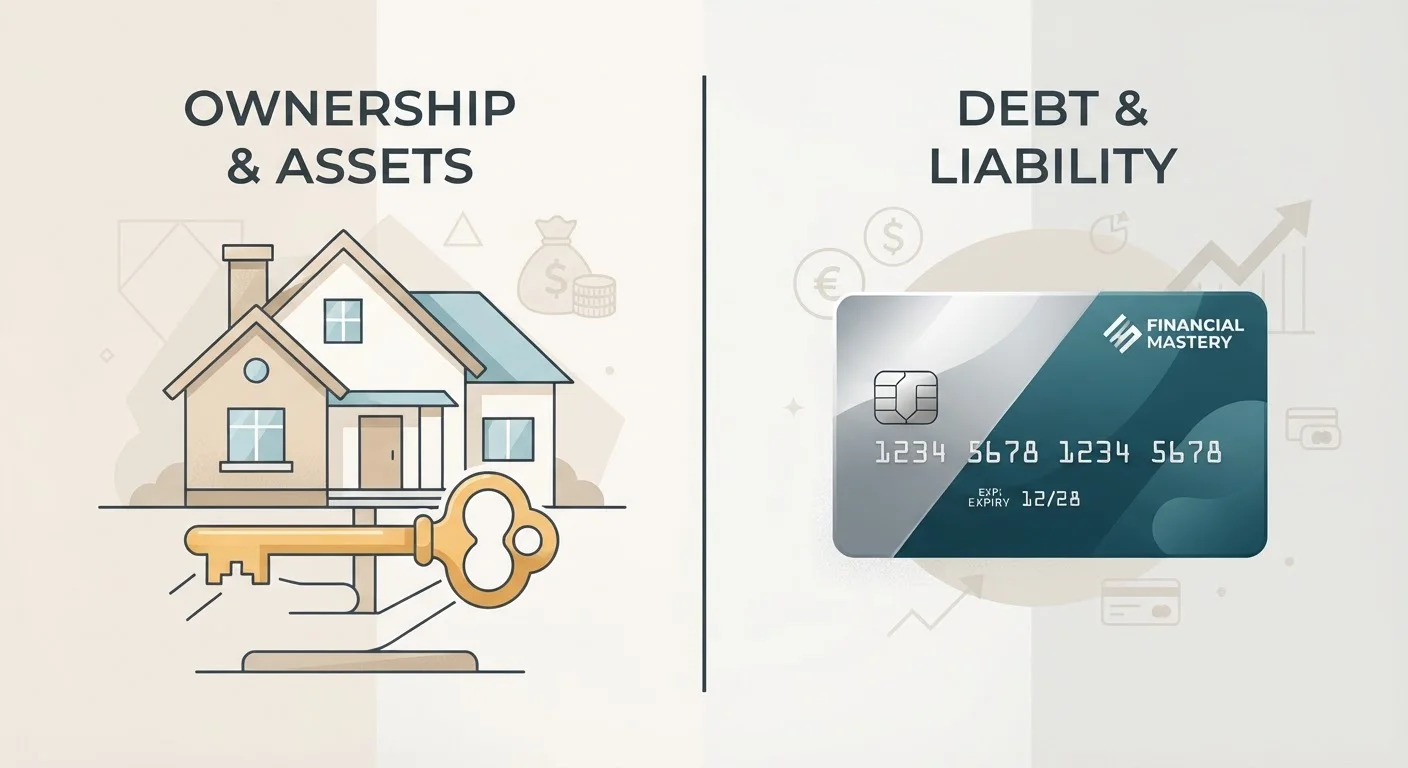
Photo: ResultsExplorer.com | Top Blogs For Everyone editorial
Key Takeaways
- Secured debt is tied to collateral — an asset the lender can repossess if you stop paying.
- Unsecured debt carries no collateral, so lenders typically charge higher interest rates to offset their risk.
- Defaulting on secured debt puts a specific asset at risk; defaulting on unsecured debt primarily damages your credit.
- Both debt types appear on your credit report and can affect your credit score significantly.
- Understanding the difference helps you borrow strategically and anticipate the real consequences of missed payments.
What Makes a Debt 'Secured' or 'Unsecured'?
The most fundamental split in consumer borrowing isn't about the amount you borrow or the lender you use — it's about whether an asset backs the loan. Secured debt is tied to a piece of collateral, meaning a specific asset (a home, car, or savings account) that the lender has a legal claim to if you stop making payments. Unsecured debt has no such attachment; the lender extends credit based on your creditworthiness — primarily your credit history and income — without a claim on any specific property.
This distinction isn't just technical. It determines your interest rate, the lender's options when you default, and which assets you could lose if payments go wrong. For a fuller picture of how these and other credit concepts fit together, see our plain-English credit glossary.
| Criterion | Secured Debt | Unsecured Debt |
|---|---|---|
| Collateral required | Yes — asset pledged to lender | No — creditworthiness only |
| Common examples | Mortgage, auto loan, secured card | Credit card, personal loan, student loan |
| Typical interest rate | Generally lower | Generally higher |
| Lender's recourse on default | Repossession or foreclosure | Collections, lawsuits, wage garnishment |
| Asset at immediate risk | Yes — the collateral asset | No specific asset, but credit impacted |
| Credit score impact of default | Significant negative impact | Significant negative impact |
| Borrowing limits | Often higher, tied to asset value | Set by creditworthiness and income |
How Interest Rates and Risk Are Connected
Because secured lenders can recover losses by seizing collateral, they take on less risk — and that lower risk translates directly to lower interest rates for borrowers. A 30-year fixed-rate mortgage, for example, typically carries a much lower annual percentage rate (APR) than an unsecured personal loan for the same amount.
Unsecured lenders, by contrast, have no asset to fall back on. If you default, their primary recourse is collections, lawsuits, or wage garnishment — all of which are slower and less certain than reclaiming a house or car. To compensate for that risk, they charge higher interest rates. Credit card APRs routinely run well above those of secured products, and this gap widens further if your credit score is below average.
~20%+
Average credit card APR in the US
The Federal Reserve tracks average credit card interest rates, which have frequently exceeded 20% APR in recent years — well above most secured loan rates.
2–3×
Rate gap between unsecured and secured debt
Unsecured personal loan rates can run two to three times higher than comparable secured loan rates, depending on the borrower's credit profile and market conditions.
This risk-rate relationship is why your credit score matters more for unsecured borrowing. A strong score signals low default risk, which can bring unsecured rates meaningfully closer to secured ones — though rarely to the same level.
Consequences of Default: What's Actually at Stake
Missing payments on either type of debt damages your credit report, but the immediate practical consequences diverge sharply.
With secured debt, a sustained failure to pay gives the lender the right to take the collateral. Miss enough mortgage payments and foreclosure proceedings can begin, potentially resulting in losing your home. Stop paying an auto loan and the lender may repossess the vehicle — sometimes with very little notice. The loss of a major asset is often more immediately disruptive than the credit damage.
With unsecured debt, there is no specific asset for a lender to seize. Instead, the consequences typically escalate through credit damage, collections, and potentially a civil lawsuit or wage garnishment. These are serious and can take years to resolve, but they don't immediately threaten a specific possession the way secured default does.
Understanding these consequences before you borrow is part of borrowing wisely. Knowing what you're risking — an asset versus your credit standing — helps you match the debt type to your actual risk tolerance.
Bankruptcy Treats These Debts Differently
Building a Strategy Around Both Types
Most households carry a mix of secured and unsecured debt simultaneously — a mortgage alongside credit card balances, for instance. Managing them well means understanding they aren't interchangeable. Prioritizing secured debt payments can protect critical assets, while letting unsecured balances compound at high rates can quietly erode your financial footing.
For guidance on paying down what you already owe, the debt avalanche vs. debt snowball comparison walks through two structured repayment approaches. And if you're weighing whether to use a personal loan or a credit card for a specific need, our personal loan vs. credit card guide breaks down those trade-offs directly.
For a comprehensive overview of how debt and credit interact across your financial life, Debt & Credit: Everything in One Place is a useful reference to bookmark.
This article is for general informational and educational purposes only and does not constitute personalized financial, legal, or tax advice. Consult a qualified financial professional before making decisions about your specific debt or credit situation.
The content provided on our blog site traverses numerous categories, offering readers valuable and practical information. Readers can use the editorial team’s research and data to gain more insights into their topics of interest. However, they are requested not to treat the articles as conclusive. The website team cannot be held responsible for differences in data or inaccuracies found across other platforms. Please also note that the site might also miss out on various schemes and offers available that the readers may find more beneficial than the ones we cover.