
Common Dog Health Myths That Vets Wish Would Disappear

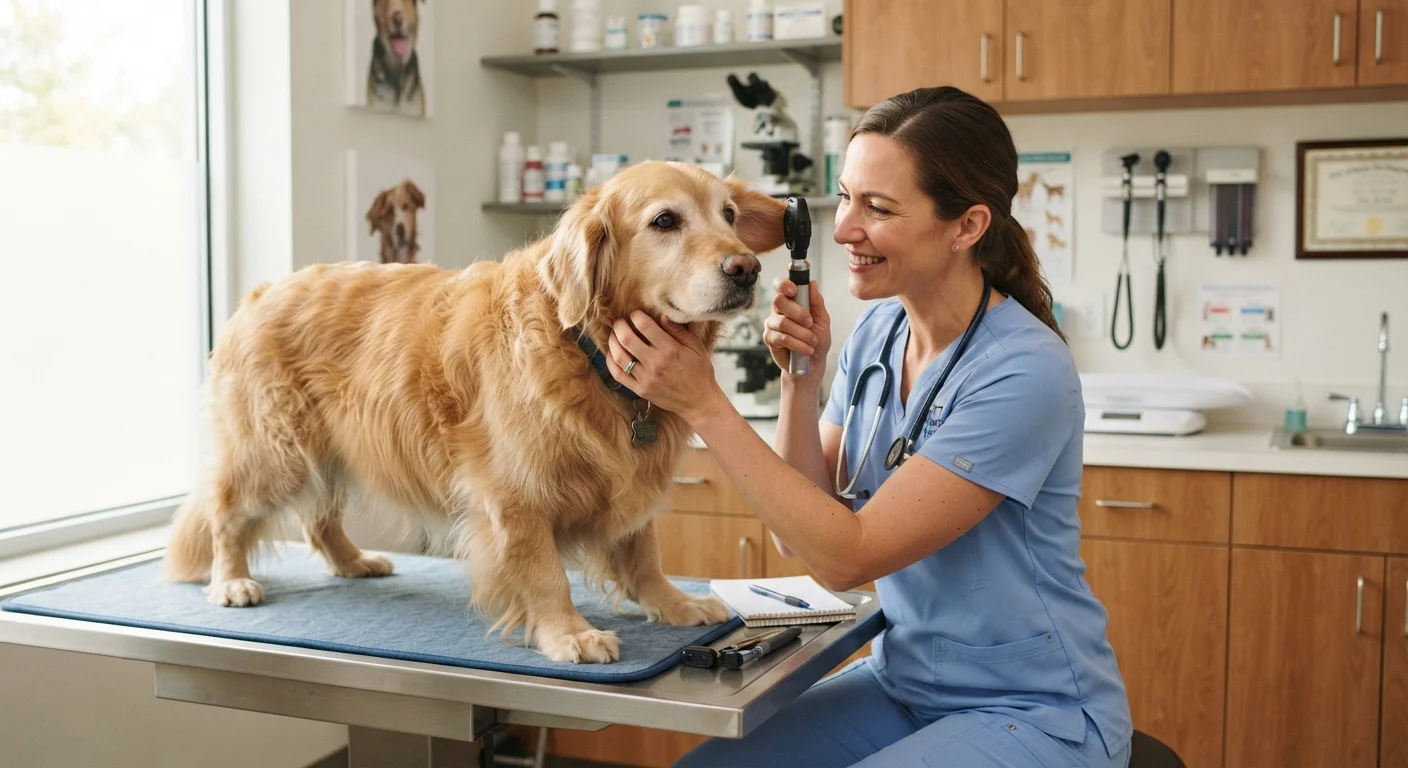
Photo: ResultsExplorer.com | Top Blogs For Everyone editorial
Key Takeaways
- The 'one dog year equals seven human years' formula is a significant oversimplification with no scientific basis.
- Garlic and onions are toxic to dogs and should never be used as home remedies for fleas.
- A dog's mouth is not cleaner than a human's — both harbor bacteria that can cause infections.
- Annual wellness exams matter even for dogs that appear perfectly healthy.
- Grain-free diets have not been shown to be healthier for most dogs and may carry cardiac risks.
Why Dog Health Myths Persist
Dog ownership comes bundled with a surprising amount of inherited folklore — advice passed from neighbor to neighbor, repeated in online forums, and occasionally even endorsed by well-meaning but outdated sources. The problem is that some of these beliefs are not just wrong; they can be genuinely harmful to a dog's health. Veterinarians regularly field questions rooted in misconceptions that have proven stubbornly resistant to correction.
Understanding where these myths come from is the first step to moving past them. Many originated from partial truths, misapplied comparisons to human biology, or observations that were never rigorously tested. The six myth-and-fact pairs below address the most commonly encountered — and most consequential — errors in popular dog health thinking.
Myth
One dog year equals seven human years, so a 3-year-old dog is like a 21-year-old person.
Fact
Aging in dogs is non-linear and varies considerably by size and breed. The seven-to-one ratio is a rough average that misrepresents how dogs actually develop.
Dogs mature very rapidly in their first two years — reaching sexual maturity and full skeletal development far faster than the seven-to-one rule implies. A one-year-old dog is developmentally closer to a 15-year-old human, while aging slows in relative terms as dogs grow older. Large and giant breeds also age faster overall than small breeds. Research published in Cell Systems (2019) used methylation changes in DNA to model dog aging and found the relationship is logarithmic, not linear. The practical implication: early-life veterinary care, including vaccines and spay/neuter decisions, should be timed to your dog's actual developmental stage, not an oversimplified formula.
Myth
Garlic is a natural, safe remedy for fleas and can be added to a dog's food.
Fact
Garlic — like all members of the Allium family, including onions and leeks — is toxic to dogs and can cause hemolytic anemia even in small doses.
Allium species contain compounds called organosulfoxides that damage red blood cells in dogs, potentially leading to hemolytic anemia — a condition where red blood cells are destroyed faster than they can be replaced. Symptoms include lethargy, pale gums, reduced appetite, and in serious cases, collapse. The toxic dose is lower than many owners assume, and there is no reliable scientific evidence that garlic repels fleas at any safe intake level. Effective, vet-approved flea prevention options exist and should be discussed with a veterinarian rather than replaced with home remedies.
Myth
A dog's mouth is cleaner than a human's, so dog licks are harmless.
Fact
Dogs and humans simply carry different bacterial populations. 'Cleaner' is not an accurate comparison — dog saliva contains bacteria that can cause infections, particularly in immunocompromised individuals.
This myth likely arose from the observation that dogs lick their wounds, combined with early, informal comparisons of bacterial counts. In reality, both humans and dogs carry extensive oral bacteria — the species just differ. Dogs regularly expose their mouths to feces, soil, and carcasses, making their oral environment one that can introduce pathogens like Capnocytophaga canimorsus and Pasteurella species to humans. For most healthy adults the risk is low, but bites, licks on broken skin, or contact for young children or immunocompromised individuals warrant caution and, if infection symptoms arise, medical attention.
Myth
Grain-free diets are healthier for dogs because grains are unnatural fillers.
Fact
Most dogs digest grains well, and grain-free diets have not been shown to offer universal health benefits. The FDA has investigated a potential link between certain grain-free formulations and dilated cardiomyopathy (DCM) in dogs.
Dogs have co-evolved with humans for thousands of years and, unlike wolves, have developed enhanced ability to digest starches — a genetic adaptation documented in research. Grains in commercial dog food serve as digestible carbohydrate sources and are not inherently problematic for dogs without a confirmed grain allergy or intolerance (which are relatively uncommon). The FDA began investigating reports of DCM — a serious heart condition — in dogs eating grain-free diets, particularly those high in legumes and potatoes. While the investigation is ongoing and causation has not been definitively established, veterinary cardiologists generally advise caution. Consult a veterinarian before placing a dog on a grain-free diet.
Myth
If a dog is eating, drinking, and playing normally, there's no need for a vet visit.
Fact
Many significant health conditions in dogs show no outward symptoms until they are advanced. Routine wellness exams detect problems early, when treatment is most effective.
Dogs are behaviorally inclined to mask discomfort — an instinct inherited from wild ancestors for whom showing weakness invited danger. Conditions like early-stage kidney disease, hypertension, dental disease, and some cancers can progress substantially before a dog displays obvious behavioral changes. Annual or biannual wellness exams allow veterinarians to assess bloodwork, organ function, weight trends, and physical condition in ways that observation at home simply cannot. Skipping preventive care to save time or money often leads to higher costs and more limited treatment options when a problem is eventually detected.
Myth
Dogs will self-regulate their food intake and stop eating when they are full.
Fact
Many dogs — particularly certain breeds — will overeat well past the point of satiety if given the opportunity, making owner-controlled portion feeding essential.
While some individual dogs are self-limiting eaters, this is far from universal. Breeds including Labrador Retrievers, Beagles, and Cocker Spaniels are particularly prone to overeating, and research has identified a genetic variant in some Labradors — affecting the POMC gene — that impairs the normal sensation of fullness. Obesity in dogs is associated with reduced lifespan, increased risk of joint disease, diabetes, and cardiovascular problems. Measured meals, calibrated to the dog's weight, life stage, and activity level, are the standard of care. For guidance on common portioning errors, see where dog owners go wrong with portion sizes.
Putting Better Information Into Practice
Correcting a health myth is only useful if it changes how you care for your dog. A few practical principles follow from the evidence above.
Schedule regular vet visits regardless of how healthy your dog seems. Many serious conditions — cardiac disease, early kidney dysfunction, certain cancers — produce no obvious symptoms in their early stages. A wellness exam gives a veterinarian the chance to detect problems while they're most treatable.
Treat feeding as a precision task, not an estimate. Overfeeding is one of the most preventable contributors to obesity, joint stress, and metabolic disease in dogs. For a closer look at where owners commonly miscalibrate meals, see where dog owners go wrong with portion sizes.
Approach diet trends critically. Novel feeding approaches — raw diets, grain-free formulations, homemade meals — may be appropriate for some dogs under veterinary guidance, but they should not be adopted based on marketing language alone. Ask your vet to evaluate any significant dietary change before implementing it.
Before changing or delaying any medical intervention, including spaying or neutering, discuss the timing and rationale with a veterinarian who knows your dog's breed, size, and individual health profile. The decision involves more nuance than most general advice captures — our overview of neutering considerations outlines the key factors to explore with your vet.
Online Advice Is Not a Substitute for Veterinary Care
This article is for general informational purposes only and does not constitute veterinary advice. Always consult a licensed veterinarian for guidance specific to your dog's health.
The content provided on our blog site traverses numerous categories, offering readers valuable and practical information. Readers can use the editorial team’s research and data to gain more insights into their topics of interest. However, they are requested not to treat the articles as conclusive. The website team cannot be held responsible for differences in data or inaccuracies found across other platforms. Please also note that the site might also miss out on various schemes and offers available that the readers may find more beneficial than the ones we cover.