
A First-Timer's Introduction to Travelling in the Middle East

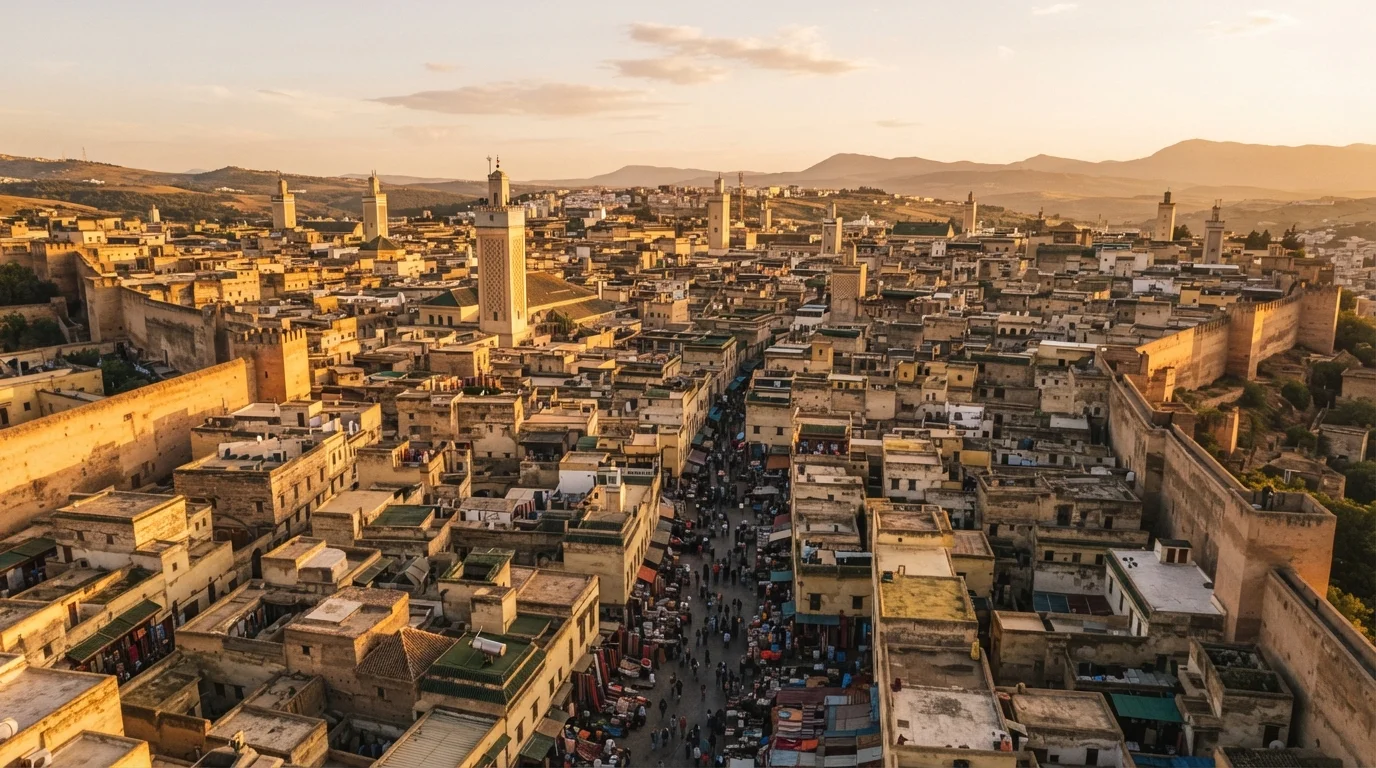
Photo: ResultsExplorer.com | Top Blogs For Everyone editorial
Key Takeaways
- The Middle East is a diverse region — generalizing about it leads to missed experiences and poor preparation.
- Dress modestly and learn basic local customs before arriving; expectations vary significantly by country.
- Visa rules, currency policies, and entry requirements differ widely and can change — always verify with official sources.
- Health precautions like vaccinations and travel insurance should be confirmed with a healthcare professional before departure.
- Deep pre-departure research is the single best investment a first-time visitor to the region can make.
Why the Middle East Defies Easy Definition
The term "Middle East" covers an enormous stretch of the globe — from Morocco's Atlantic coast to Iran's border with Central Asia, and from Turkey's Mediterranean shores to Oman's Arabian Sea. It includes countries as dramatically different as Lebanon's cosmopolitan cities, Jordan's desert canyons, and the UAE's futuristic skylines. Treating the region as a single, uniform destination is one of the most common mistakes first-time visitors make.
Religious identity is equally varied. Islam is the majority faith across most of the region, but it is practiced in very different ways — from highly secular urban cultures to deeply conservative communities. Christianity, Judaism, Druze, and other faiths also have deep roots here. The historical and political context of each destination shapes the experience profoundly; a quick overview before you travel pays dividends in understanding what you see.
Levant
A geographic sub-region of the Middle East generally referring to the eastern Mediterranean area, including Lebanon, Syria, Jordan, Israel, and the Palestinian territories.
Gulf States
The Arab countries bordering the Persian Gulf — typically Saudi Arabia, UAE, Kuwait, Qatar, Bahrain, and Oman — often grouped together due to shared political structures and oil wealth.
Ramadan
The Islamic month of fasting observed by Muslims worldwide, during which eating, drinking, and smoking in public is restricted in many Muslim-majority countries. Its dates shift annually in the Gregorian calendar.
Visa on arrival
A travel permit issued at the border or airport when you arrive, rather than requiring advance application. Eligibility depends on your passport nationality and the destination country's current policy.
Travel advisory
An official government warning rating the risk level of traveling to a specific country or region, used to help citizens make informed decisions about safety.
Travel medicine clinic
A specialized medical service that provides pre-travel health consultations, including vaccination recommendations and disease prevention guidance tailored to your destination and health history.
Cultural Basics Every First-Timer Should Know
Hospitality is a cornerstone value across much of the region. Accepting tea, coffee, or food offered by locals is generally considered polite; declining repeatedly can cause offence. Greetings carry weight — learning even a simple marhaba (hello in Arabic) or salam signals respect and often opens doors.
Dress expectations range from advisory to legally mandated depending on the country and setting. In many countries, covering shoulders and knees is the minimum for entering religious spaces; in others, headscarves are required for women at all times. Men are not exempt — shorts and sleeveless tops can attract unwanted attention or be prohibited in certain areas. Research country-specific norms, not regional generalizations.
Public behaviour norms also differ from Western defaults. Public displays of affection are discouraged or illegal in several countries. Photographing people — especially women — without permission is considered intrusive or disrespectful in many communities. Alcohol laws span the full spectrum from freely available to completely prohibited. Understanding these specifics before arrival is far more useful than discovering them in the moment.
A Small Gesture Goes a Long Way
Navigating Entry Requirements and Practicalities
Visa policies across the Middle East vary widely and change periodically. Some countries offer visas on arrival or e-visas for many nationalities; others require advance applications, sponsor letters, or have passport-stamp restrictions (for instance, some countries historically denied entry to travelers with Israeli stamps). These policies can shift — verify requirements through official embassy or government sources close to your travel date.
Currency situations are equally varied. Several Gulf countries peg their currencies to the US dollar, while others have controlled exchange markets. ATM availability is excellent in major cities but limited in rural areas. The logistical details that catch first-time international travelers off guard — including currency exchange timing and airport transit rules — are worth reviewing before you finalize any itinerary.
During Ramadan (the Islamic month of fasting, which moves annually in the Gregorian calendar), restaurants in many countries close during daylight hours, and eating, drinking, or smoking in public is expected to be avoided by visitors out of respect. It is not necessarily a period to avoid — some travelers find the evening celebrations especially memorable — but it requires different planning.
Health, Safety, and Wellbeing Considerations
Health preparation for a Middle East trip should start with a visit to a travel medicine clinic or your healthcare provider, ideally six to eight weeks before departure. Vaccination recommendations vary by country and individual health factors. This article provides general information only and is not a substitute for professional medical advice tailored to your situation.
Heat is a genuine physical hazard in many parts of the region, particularly in Gulf countries during summer. Dehydration can develop quickly; staying hydrated, scheduling outdoor activity during cooler morning or evening hours, and recognizing the signs of heat exhaustion are practical precautions. For general guidance on staying safe, healthy, and prepared while traveling, our Travel Safety & Health hub is a useful starting point.
Travel insurance that covers medical evacuation is strongly advisable given the distances involved and the variability of healthcare infrastructure across the region. Solo travelers and those traveling to less-visited areas should also give thought to managing the psychological dimensions of travel, including culture shock and navigating unfamiliar environments.
Building Your Pre-Departure Research Habit
No single guide — including this one — can substitute for country-specific, up-to-date research. The Middle East rewards travelers who arrive informed. Before you go, check your government's official travel advisory for your specific destination, confirm visa requirements through the relevant embassy, and review any health notices through your national public health authority.
Beyond logistics, invest time in understanding the culture you're entering. Our pre-departure cultural research checklist walks through the questions worth asking about any destination — local customs, social sensitivities, and what respectful visitor behaviour looks like in practice. If you want to go deeper on methodology, reading a destination before you go covers how to build that understanding meaningfully rather than relying on surface-level travel content.
The Middle East is, for many visitors, among the most rewarding regions they ever explore — for its history, its landscapes, its food, and above all its people. Getting the groundwork right makes that experience accessible from the very first trip.
This article is for general informational purposes only. Travel conditions, entry requirements, and safety situations can change; always verify details with official government and healthcare sources before traveling.
Frequently Asked Questions
The content provided on our blog site traverses numerous categories, offering readers valuable and practical information. Readers can use the editorial team’s research and data to gain more insights into their topics of interest. However, they are requested not to treat the articles as conclusive. The website team cannot be held responsible for differences in data or inaccuracies found across other platforms. Please also note that the site might also miss out on various schemes and offers available that the readers may find more beneficial than the ones we cover.