
Planning a Trip Around Festivals and Cultural Events: A Practical Framework

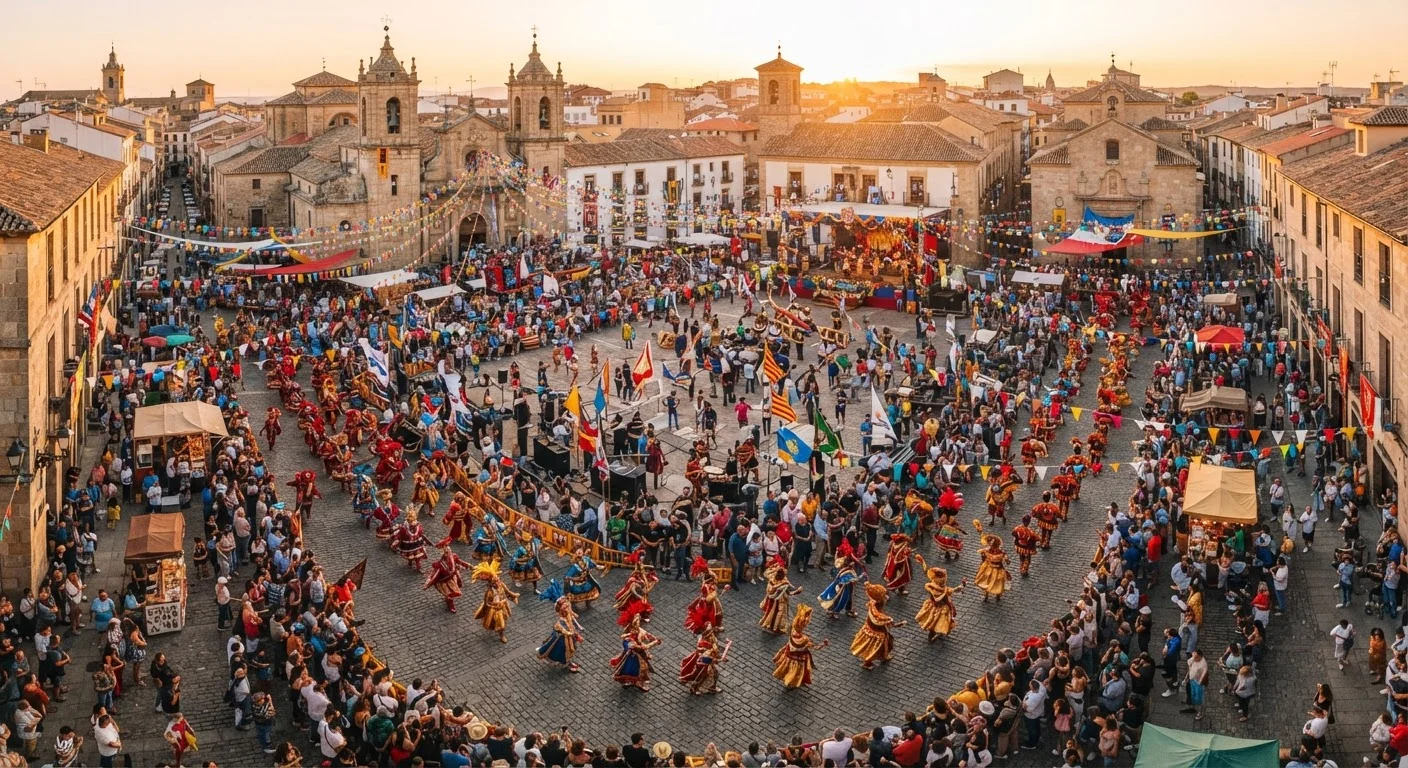
Photo: ResultsExplorer.com | Top Blogs For Everyone editorial
Key Takeaways
- Festival travel requires earlier booking than standard trips — sometimes six to twelve months ahead.
- Understanding a festival's cultural or religious significance helps you engage respectfully and meaningfully.
- Surge pricing, limited accommodation, and crowd logistics need specific strategies, not generic travel advice.
- Local sources and official tourism boards provide more reliable festival details than aggregator sites.
- Flexibility in your itinerary around festival dates reduces stress when schedules shift unexpectedly.
Why Festival Travel Demands a Different Approach
Organizing a trip around a cultural event or festival is fundamentally different from standard destination travel. The event itself becomes the anchor of your itinerary, which means every other decision — where to stay, how to get around, what to do on non-festival days — flows from that fixed point. This is both the appeal and the risk.
The appeal is access: festivals offer a window into local culture, community, and tradition that ordinary tourism rarely provides. The risk is that without the right preparation, you end up spending more money, encountering more friction, and engaging with less understanding than the experience deserves. The practices in this guide address both sides of that equation.
For a broader foundation on structuring your travel days around a fixed event, see our guide to building a travel itinerary that actually works.
Researching and Planning Before You Book
Strong festival travel starts with research, not reservations. Before you commit to flights or hotels, you need to understand what you are actually attending — its cultural weight, its logistics, and whether visitor participation is genuinely appropriate and welcomed.
Festival Dates Can Shift Year to Year
Start with official sources. National and regional tourism boards, cultural ministries, and the festival's own published materials are more reliable than travel blogs or aggregator sites. This matters especially for events tied to religious calendars, indigenous traditions, or community governance — contexts where the details are both more significant and more likely to be misrepresented by outside commentators.
Understanding context is not just about respect — it shapes your experience. Our companion piece on reading a destination before you go walks through how to research the history, politics, and customs that define a place before you arrive.
Research the festival's cultural or religious context before you commit to attending.
Book accommodation and transport at least six months out for major events.
Use official sources and local tourism boards as your primary information layer.
Build buffer days into your itinerary on either side of the main event.
Set a realistic budget that accounts for festival-period price inflation.
Learn and observe any participation rules or dress codes before you arrive.
Logistics, Budgeting, and Staying Flexible
Once you understand the event, the practical layer kicks in. Festival periods compress supply across accommodation, transport, and food — prices rise, availability drops, and the usual assumptions about trip logistics stop applying. The travelers who navigate this well are the ones who plan specifically for the festival environment rather than treating it like any other trip.
6–12 months
Recommended booking lead time for major festivals
Travel industry guidance consistently suggests that major cultural festivals and large-scale events require significantly earlier booking than standard leisure trips.
2–3×
Typical accommodation price increase during peak festival periods
Hospitality data from high-demand festival periods routinely shows nightly rates doubling or tripling compared to the weeks immediately before or after an event.
Planning your lead time correctly is one of the highest-leverage decisions you can make. For guidance on how far in advance different trip types typically need to be booked, see our timeline reference for different trip types. If budget is a binding constraint, our framework for fixed-budget travel pairs directly with this approach.
Flexibility matters too. Festival schedules shift, weather intervenes, and crowd sizes can exceed expectations in either direction. Build your itinerary with that in mind. Our group trip planning guide covers how to manage these logistics when more than one person's preferences are in play.
Engaging Respectfully and Meaningfully
The quality of your festival experience depends significantly on how you show up as a visitor. This means going beyond surface-level curiosity — learning participation norms, understanding what is and is not open to outside attendees, and approaching the event as a guest rather than a consumer.
For festivals with sacred or ceremonial elements, the expectations can be specific and non-negotiable. Our article on sacred sites and visitor expectations covers the kinds of conduct standards you'll commonly encounter. Before departure, run through the pre-departure cultural research checklist to make sure you arrive informed.
“Travel is fatal to prejudice, bigotry, and narrow-mindedness, and many of our people need it sorely on these accounts.”
— Mark Twain, Author and travel writer, from 'The Innocents Abroad' (1869)
Food is often one of the most accessible entry points into a festival's cultural meaning. If you want to deepen that layer of your experience, see how eating local connects you to culture. Engaged, informed travelers get more out of these experiences — and leave a lighter footprint on the communities that host them.
This article provides general travel planning information only. Always verify entry requirements, safety advisories, and event-specific rules with official government and event sources before you travel. Prices, dates, and logistics referenced are illustrative and subject to change.
The content provided on our blog site traverses numerous categories, offering readers valuable and practical information. Readers can use the editorial team’s research and data to gain more insights into their topics of interest. However, they are requested not to treat the articles as conclusive. The website team cannot be held responsible for differences in data or inaccuracies found across other platforms. Please also note that the site might also miss out on various schemes and offers available that the readers may find more beneficial than the ones we cover.