
Natural Pest Control Strategies That Hold Up to Scrutiny

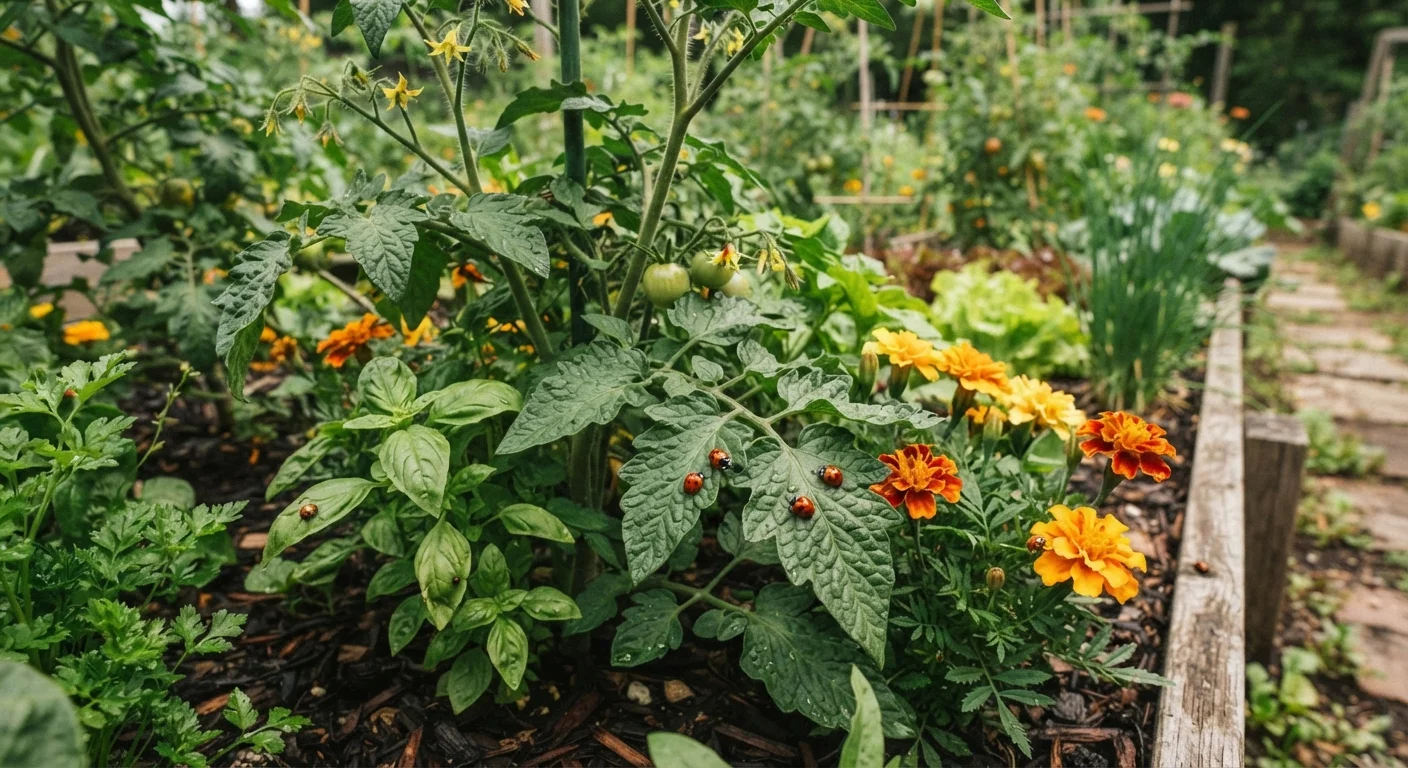
Photo: ResultsExplorer.com | Top Blogs For Everyone editorial
Key Takeaways
- Physical barriers like row covers and copper tape provide reliable pest protection without any chemicals.
- Encouraging beneficial insects such as ladybugs and lacewings can meaningfully reduce aphid and mite populations.
- Companion planting has genuine supporting evidence, though results vary by plant combination and garden conditions.
- Healthy soil and proper plant spacing reduce pest vulnerability more than most reactive treatments.
- No single natural method works for every pest - combining approaches tends to deliver the best results.
Why 'Natural' Doesn't Always Mean Effective
The natural pest control category is crowded with folklore, anecdote, and genuine science - and they don't always agree. Some approaches, like diatomaceous earth and row covers, have a solid track record. Others, like many homemade sprays, are more variable and context-dependent. The goal here is to highlight strategies that have reasonable evidence behind them, while being honest about what you can realistically expect.
For gardeners looking to reduce synthetic pesticide use, the encouraging news is that several well-supported methods exist. The key is applying them with appropriate expectations and combining them into a broader garden management approach rather than looking for a single silver bullet.
What 'Natural' Actually Means Here
Physical Barriers: The Most Reliable Line of Defense
Before any pest reaches your plants, physical exclusion can stop it entirely. This is arguably the most dependable category of natural pest control because it doesn't rely on biological behavior or timing - it creates a simple mechanical obstacle.
Use row covers to exclude flying and crawling insects from vulnerable crops.
Apply food-grade diatomaceous earth around plant stems and soil surfaces to deter crawling pests.
Install copper tape or mesh around raised beds and containers to deter slugs and snails.
Hand-pick larger pests such as hornworms, beetles, and egg masses during regular garden walks.
Use kaolin clay spray as a physical deterrent on fruit trees and edibles susceptible to flying insects.
These methods pair particularly well with contained growing setups. If you're exploring how bed design affects your pest management options, our guide on raised beds vs. in-ground planting covers how structure influences drainage, soil control, and day-to-day garden management.
Encouraging Beneficial Insects and Ecosystem Balance
Many common garden pests have natural predators that will do meaningful pest control work for free - provided you don't inadvertently eliminate them. Ladybugs, lacewings, ground beetles, and parasitic wasps all prey on or parasitize destructive insects. The challenge is creating conditions that attract and retain them.
Planting a diversity of flowering species - particularly those with small, accessible blooms like dill, fennel, and yarrow - provides nectar and shelter for beneficial insects throughout their life cycle. Reducing or eliminating broad-spectrum pesticides, even organic ones, helps preserve these populations. Limiting soil disturbance also protects ground-dwelling predatory beetles.
A garden designed with biodiversity in mind tends to self-regulate better over time. For ideas on designing plant-rich spaces that require less intervention, see our overview of low-maintenance landscaping approaches.
Companion Planting and Soil Health: Foundational Practices
Companion planting - growing certain plants near each other to confer pest-deterrent or growth benefits - has a mixed evidence base. Some combinations have more research support than others. Interplanting basil near tomatoes, for example, is widely practiced and shows some promise for repelling thrips and aphids, though results in home gardens vary. Marigolds planted as a border are associated with reduced nematode pressure in soil, a finding with reasonable research support when French marigold varieties are used consistently over a season.
What has clearer evidence is the connection between soil health and plant resilience. Plants stressed by poor drainage, nutrient imbalance, or compacted soil are more vulnerable to pest damage. Maintaining organic matter, ensuring good drainage, and spacing plants to allow airflow all reduce conditions that favor disease and pest outbreaks.
~80%
Reduction in cabbage pest damage with row covers
Research from university extension trials has consistently shown floating row covers can reduce cabbage moth and aphid damage by significant margins when applied at transplanting.
1 season
Time needed for French marigolds to reduce soil nematodes
Studies suggest planting French marigold varieties densely for a full growing season is needed before meaningful nematode suppression is observed in surrounding soil.
Thinking about how your garden layout affects overall plant health? Our article on designing an outdoor space you'll actually use year-round covers planning considerations that support healthier plants across seasons.
This article provides general gardening information and is not a substitute for advice from a local cooperative extension service or certified horticulturist familiar with your region's specific pest pressures and conditions.
The content provided on our blog site traverses numerous categories, offering readers valuable and practical information. Readers can use the editorial team’s research and data to gain more insights into their topics of interest. However, they are requested not to treat the articles as conclusive. The website team cannot be held responsible for differences in data or inaccuracies found across other platforms. Please also note that the site might also miss out on various schemes and offers available that the readers may find more beneficial than the ones we cover.