
Indoor vs. Outdoor Dogs: What the Distinction Actually Means for Welfare

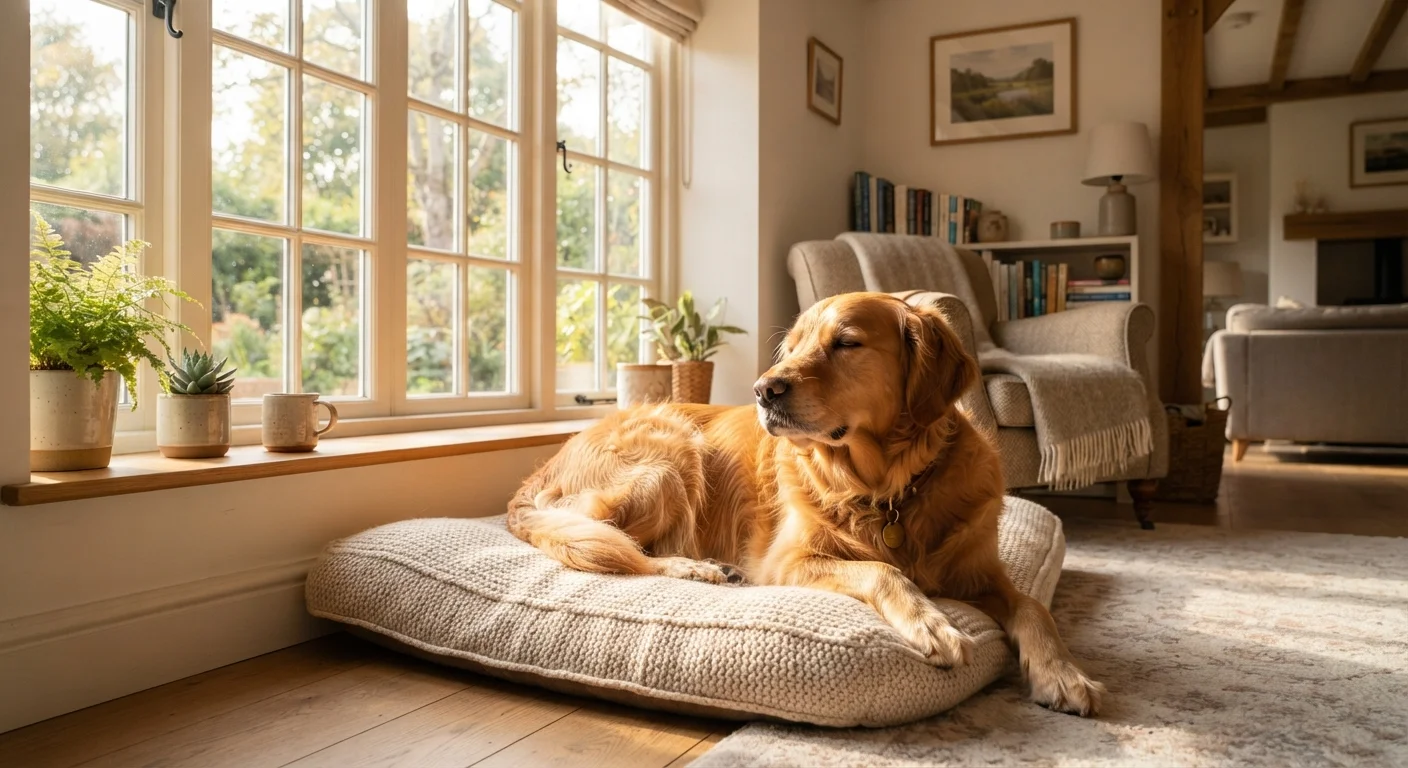
Photo: ResultsExplorer.com | Top Blogs For Everyone editorial
Key Takeaways
- Dogs are social animals; prolonged outdoor isolation is a welfare concern regardless of breed.
- Shelter, temperature regulation, and companionship are non-negotiable for any living arrangement.
- Breed traits influence tolerance for outdoor conditions but never eliminate the need for human contact.
- Senior dogs, puppies, and short-coated breeds face higher risks from exposure to temperature extremes.
- A hybrid arrangement — controlled outdoor access with indoor shelter — often serves welfare best.
What 'Indoor' and 'Outdoor' Dog Actually Mean
The terms are less binary than they sound. An "indoor dog" typically lives inside the home, sleeping and spending downtime with the household. An "outdoor dog" is one kept primarily in a yard, kennel, or outbuilding, often with limited access to interior spaces. In practice, most dogs occupy a spectrum — spending parts of each day both inside and outside.
The welfare question isn't really where a dog is located at any given moment; it's whether the arrangement consistently meets the animal's physical and social needs. The American Veterinary Medical Association and major animal welfare organisations frame dog welfare around five core domains: nutrition, environment, health, behaviour, and mental state. Geography alone doesn't determine whether those domains are satisfied.
If you're setting up your home for the first time with a dog, see our guide to bringing a dog home for the first time for practical advice on safe spaces and settling in.
The Case for Indoor Living
Dogs evolved alongside humans over thousands of years and are highly social animals. Research in anthrozoology consistently shows that dogs form strong attachment bonds with their human companions — bonds that require regular, close interaction to stay healthy. A dog confined outdoors for the majority of each day is typically deprived of that contact, which can manifest as anxiety, excessive barking, destructive behaviour, or withdrawal.
Temperature regulation is another clear advantage of indoor living. Dogs are vulnerable to both hypothermia and heatstroke, and ambient conditions indoors are far more stable than those outside. Short-coated breeds such as Greyhounds and Boxers, dogs with flat faces (brachycephalic breeds like Bulldogs and Pugs), and very young or very old dogs are especially susceptible to temperature extremes.
Monitor for Behavioural Signs of Stress
For older dogs in particular, the climate-controlled environment of indoor living can meaningfully reduce joint stress and illness risk. Our senior dog care guide covers how environment intersects with age-related health needs.
When Outdoor Arrangements Can Work
Some working and livestock-guardian breeds — Great Pyrenees, Anatolian Shepherds, Malamutes — were selectively bred for outdoor conditions and may be comfortable spending extended time outside in appropriate climates. Their dense double coats provide insulation, and they often have lower social-dependency than companion breeds. Even so, comfort in cold temperatures does not translate to comfort in isolation.
An outdoor arrangement that genuinely meets welfare standards requires: a dry, draught-free shelter sized appropriately for the dog; protection from rain, direct sun, and wind; access to fresh water that doesn't freeze in winter or overheat in summer; and — critically — regular, meaningful interaction with people. A dog that is fed and watered but otherwise ignored does not meet the social needs that define canine welfare.
| Indoor Living | Outdoor Living | Hybrid Arrangement | |
|---|---|---|---|
| Social contact with humans | High — constant access | Low — often limited | Moderate to high |
| Temperature regulation | Stable, climate-controlled | Variable, weather-dependent | Indoor access for extremes |
| Suitability for puppies and seniors | Well suited | Generally not recommended | Well suited with management |
| Space for natural behaviours | Limited without outdoor access | High if yard is enriched | High — best of both |
| Risk of loneliness or anxiety | Low with attentive owners | High without regular interaction | Low with consistent routine |
| Shelter requirements | Provided by the home | Must be purpose-built | Both indoor and outdoor spaces |
Local ordinances in many US states now codify minimum shelter and tethering standards for outdoor dogs. Checking those regulations is a baseline, not a ceiling — legal compliance doesn't automatically equal good welfare.
Breed, Age, and Health: The Variables That Matter Most
Breed characteristics provide a useful starting point but should not be treated as a rigid prescription. A Siberian Husky raised as a house companion from puppyhood may struggle to adapt to an outdoor kennel in adulthood, while a farm-raised livestock dog may find indoor confinement stressful. Individual temperament, early socialisation history, and current health status all play a significant role.
Age is particularly consequential. Puppies under six months lack the thermoregulatory capacity to manage outdoor temperature swings safely. Senior dogs face a parallel vulnerability, often compounded by arthritis, reduced immune function, or cognitive changes. For guidance on comparing indoor and outdoor dynamics across species, our article on indoor vs. outdoor cats offers a useful parallel framework grounded in veterinary research.
63%
US households allowing dogs to sleep indoors
According to the American Pet Products Association's National Pet Owners Survey, a substantial majority of US dog owners allow their dogs to sleep inside the home.
~38°C (100°F)
Temperature at which heatstroke risk rises sharply
Veterinary guidance indicates dogs can develop heatstroke when body temperature exceeds approximately 39–40°C (103–104°F), which ambient heat can rapidly cause in unshaded outdoor settings.
Building an Arrangement That Prioritises Welfare
The most defensible approach for most dog owners is a hybrid model: outdoor access for exercise, enrichment, and natural behaviours — sniffing, exploring, basking in sun — combined with indoor access for rest, shelter, and human companionship. This mirrors how dogs naturally use space when given the choice.
Practical steps to support welfare regardless of primary arrangement include ensuring the dog has a defined, comfortable resting area; maintaining a predictable daily routine of interaction and exercise; providing mental stimulation through play, training, and varied environments; and scheduling regular veterinary check-ups to catch health changes early. A dog that is primarily outdoor should be monitored more closely during seasonal weather extremes — not just for survival, but for comfort and behavioural signs of stress.
Those interested in how similar decisions play out with other animals may find the indoor vs. outdoor rabbit keeping comparison a useful reference for understanding how species-specific needs should drive housing choices rather than convenience alone.
The content provided on our blog site traverses numerous categories, offering readers valuable and practical information. Readers can use the editorial team’s research and data to gain more insights into their topics of interest. However, they are requested not to treat the articles as conclusive. The website team cannot be held responsible for differences in data or inaccuracies found across other platforms. Please also note that the site might also miss out on various schemes and offers available that the readers may find more beneficial than the ones we cover.