
Keeping Rabbits Indoors vs Outdoors: A Genuine Trade-Off

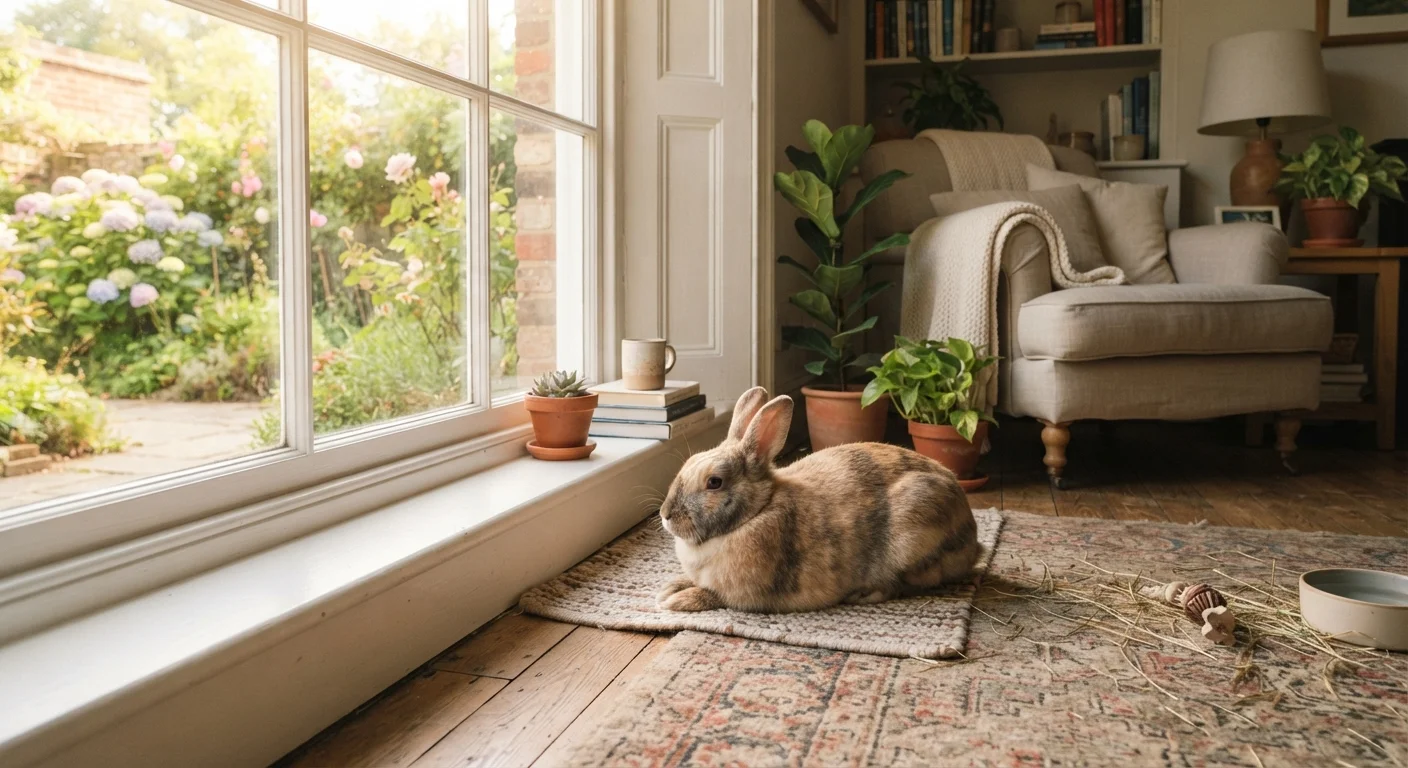
Photo: ResultsExplorer.com | Top Blogs For Everyone editorial
Key Takeaways
- Indoor rabbits generally face fewer predator, weather, and disease risks than outdoor rabbits.
- Outdoor housing can offer more space and natural stimulation, but demands rigorous predator-proofing.
- Rabbits are social animals that need daily human interaction regardless of where they live.
- Temperature extremes — both heat and cold — pose serious health risks to rabbits kept outside.
- Neither setting is automatically superior; the quality of setup and owner commitment matter most.
Why the Indoor vs. Outdoor Question Matters for Rabbits
Rabbits are often treated as low-maintenance pets, but the decision about where they live is one of the most consequential choices an owner makes. Unlike dogs or cats, rabbits are prey animals with a finely tuned stress response, specific temperature tolerances, and social needs that interact differently with indoor and outdoor environments.
Understanding this trade-off requires looking honestly at safety, enrichment, health risks, and the practical realities of your own living situation. For a deeper look at what habitat setup actually entails, see our guide on rabbit housing essentials.
The Case Against Each Option: Real Disadvantages
Neither setting is without genuine drawbacks, and being clear-eyed about these helps owners prepare more effectively — or reconsider a setup that isn't working.
The Hutch-Alone Standard Is Outdated
Health and Safety: Where the Evidence Points
Veterinary and animal welfare organizations consistently flag predator stress as one of the most underestimated outdoor risks. A rabbit can die of acute stress-induced cardiac arrest simply from seeing or smelling a predator through a hutch wall — without any physical contact occurring. This is not rare; it is a documented cause of sudden rabbit death.
Heat stroke is another serious concern. Rabbits cannot tolerate temperatures much above 85°F (29°C) and have no efficient way to cool themselves. In many parts of the US, summer temperatures regularly exceed this threshold, making shade and ventilation genuinely life-or-death factors for outdoor rabbits.
85°F
Upper safe temperature threshold for rabbits
Most rabbit care and veterinary references identify temperatures above approximately 85°F (29°C) as dangerous for rabbits, who lack efficient self-cooling mechanisms.
60–72°F
Recommended indoor temperature range for rabbits
Animal welfare organizations generally recommend keeping domestic rabbits in environments within this range to avoid heat- and cold-related stress.
Indoor rabbits are not without risk either. Household hazards — chewable electrical cables, toxic houseplants, and unsecured floor space — require consistent rabbit-proofing. Owners who keep rabbits indoors need to actively manage the environment to make it safe, rather than assuming it already is.
If you're comparing this decision across species, the welfare calculus for indoor vs. outdoor dogs and indoor vs. outdoor cats follows different logic — rabbits are uniquely vulnerable as prey animals.
Making the Right Choice for Your Situation
There is no universal answer, but there are practical questions that clarify the decision. Can you reliably rabbit-proof an indoor area with enough room for free-roaming exercise? Or can you construct and maintain a large, fully predator-proof outdoor enclosure with weather protection and daily monitoring?
Rabbits kept outdoors need company — ideally a bonded rabbit companion — because isolation compounds the stress of an exposed environment. Indoor rabbits benefit enormously from regular human interaction but still need at least one companion or consistent social enrichment. Diet quality remains equally important in both settings; our small pet nutrition overview covers rabbit dietary fundamentals that apply regardless of housing type.
If you're still in the planning stage, working through a small pet readiness checklist can help you evaluate your capacity honestly before making a commitment.
This article is for general informational purposes only. For health concerns specific to your rabbit, consult a veterinarian with exotic or small animal experience.
The content provided on our blog site traverses numerous categories, offering readers valuable and practical information. Readers can use the editorial team’s research and data to gain more insights into their topics of interest. However, they are requested not to treat the articles as conclusive. The website team cannot be held responsible for differences in data or inaccuracies found across other platforms. Please also note that the site might also miss out on various schemes and offers available that the readers may find more beneficial than the ones we cover.