
A Driver's Checklist Before Merging onto the Highway

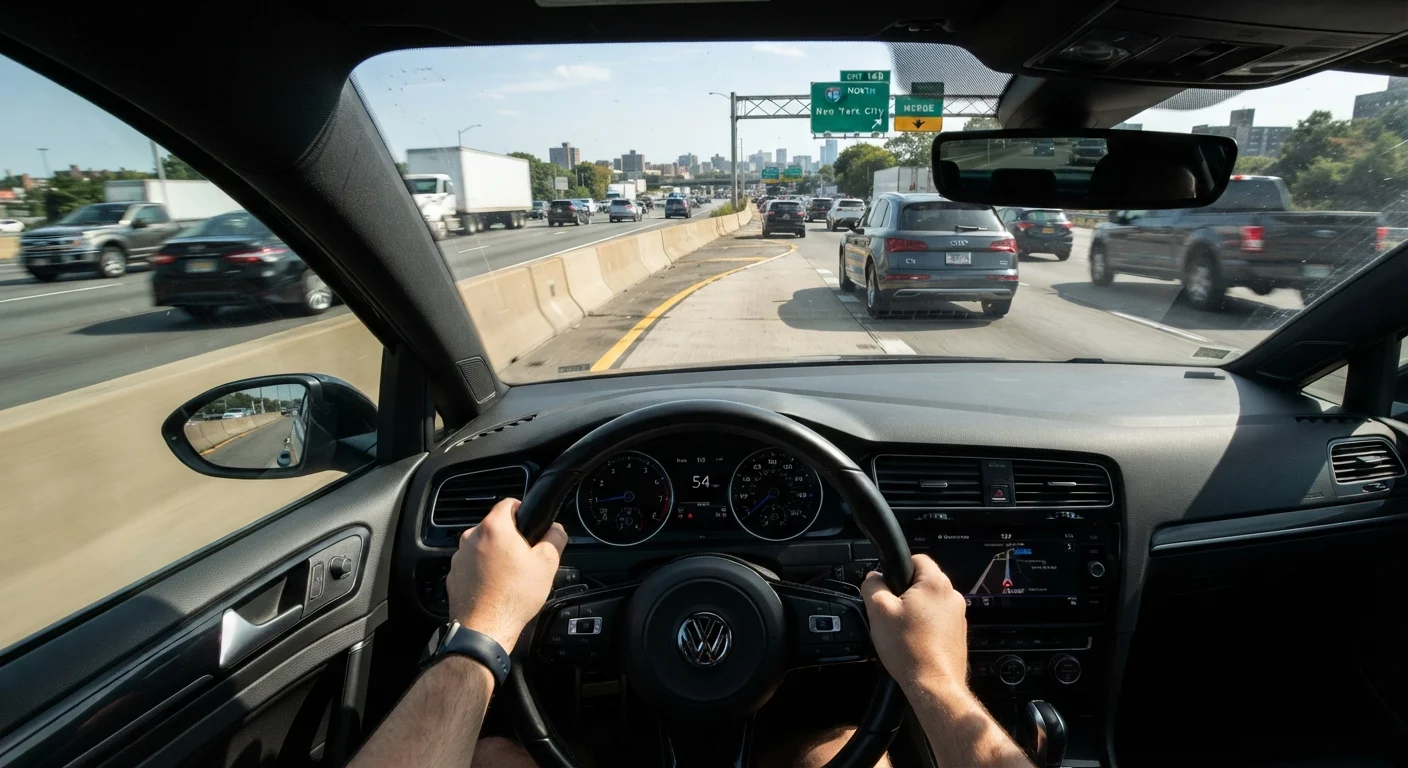
Photo: ResultsExplorer.com | Top Blogs For Everyone editorial
Key Takeaways
- Match highway traffic speed before entering the travel lane - not after.
- Use your mirrors and blind-spot check together; neither alone is sufficient.
- Your turn signal should be activated before you begin your merge, not during it.
- Highway on-ramps exist to give you acceleration room - use the full length available.
- Merging drivers must yield to traffic already on the highway in most US states.
Why Merging Deserves Its Own Checklist
Merging onto a highway compresses several high-stakes decisions into a matter of seconds: reading traffic gaps, managing acceleration, signaling intent, and checking multiple blind spots - all while navigating an unfamiliar ramp geometry. It is one of the most cognitively demanding routine maneuvers US drivers perform, yet it rarely gets the deliberate attention it warrants.
Many drivers underestimate how much preparation should happen before they reach the acceleration lane. Vehicle condition, mirror adjustment, and situational awareness all play a role that begins well before you see the highway sign. This checklist breaks that process into manageable steps so nothing critical gets skipped.
For a broader look at how right-of-way rules apply during merge situations, see Right-of-Way Rules Most Drivers Misread Every Day.
Before You Leave - Vehicle Checks
On the On-Ramp - Speed and Positioning
The Merge Moment - Executing Safely
After Merging - Maintaining Safety
What to Have Ready Before You Approach the Ramp
A safe merge starts with vehicle readiness. Tires that are underinflated reduce lateral stability at speed; mirrors that haven't been adjusted since a different driver used the car create dangerous blind-spot gaps. Run through the pre-drive items on this checklist before highway trips, not just during them.
Tire Pressure Gauge
Verify tire inflation before a highway trip to ensure stability at speed.
Vehicle Owner's Manual
Reference the correct tire pressure, mirror adjustment guidance, and warning light meanings for your specific vehicle.
Rearview Camera or Blind-Spot Monitoring System
Supplements (but does not replace) physical mirror checks and blind-spot head turns during merging.
If your vehicle is due for a seasonal check - especially before a long highway drive - our guide on what to inspect as the seasons change covers the key maintenance items to verify.
Driver Assistance Tech Does Not Replace Mirror Checks
Once you're on the ramp and building speed, remember that following distance matters immediately. Drivers ahead of you on the ramp may brake unexpectedly. To understand stopping-distance science, Why Tailgating Is More Dangerous Than Most Drivers Assume is worth reading before your next highway trip.
On the Road: Staying Legal and Aware After You Merge
A successful merge doesn't end when your tires cross the white line. Once in the travel lane, quickly settle into an appropriate following distance, cancel your turn signal if it hasn't self-cancelled, and begin scanning ahead for your intended lane position. Highway lane changes - especially in heavy traffic - carry their own right-of-way considerations similar to the merge itself.
If you regularly drive at night or in low-visibility conditions, merging becomes significantly more complex. Our article on Night Driving Safety: Visibility, Fatigue, and Lighting Rules explains headlight requirements and visibility limits that directly affect how you judge gaps in the dark.
Finally, be aware that after merging, you may encounter stopped emergency or maintenance vehicles on the shoulder. All 50 US states have laws governing how drivers must respond in those situations. Move Over Laws: What Every US Driver Needs to Know provides a state-by-state overview of those requirements.
Merging Drivers Must Yield - Not Highway Traffic
The content provided on our blog site traverses numerous categories, offering readers valuable and practical information. Readers can use the editorial team’s research and data to gain more insights into their topics of interest. However, they are requested not to treat the articles as conclusive. The website team cannot be held responsible for differences in data or inaccuracies found across other platforms. Please also note that the site might also miss out on various schemes and offers available that the readers may find more beneficial than the ones we cover.