
Why Your Gutters Deserve More Attention Than They Get

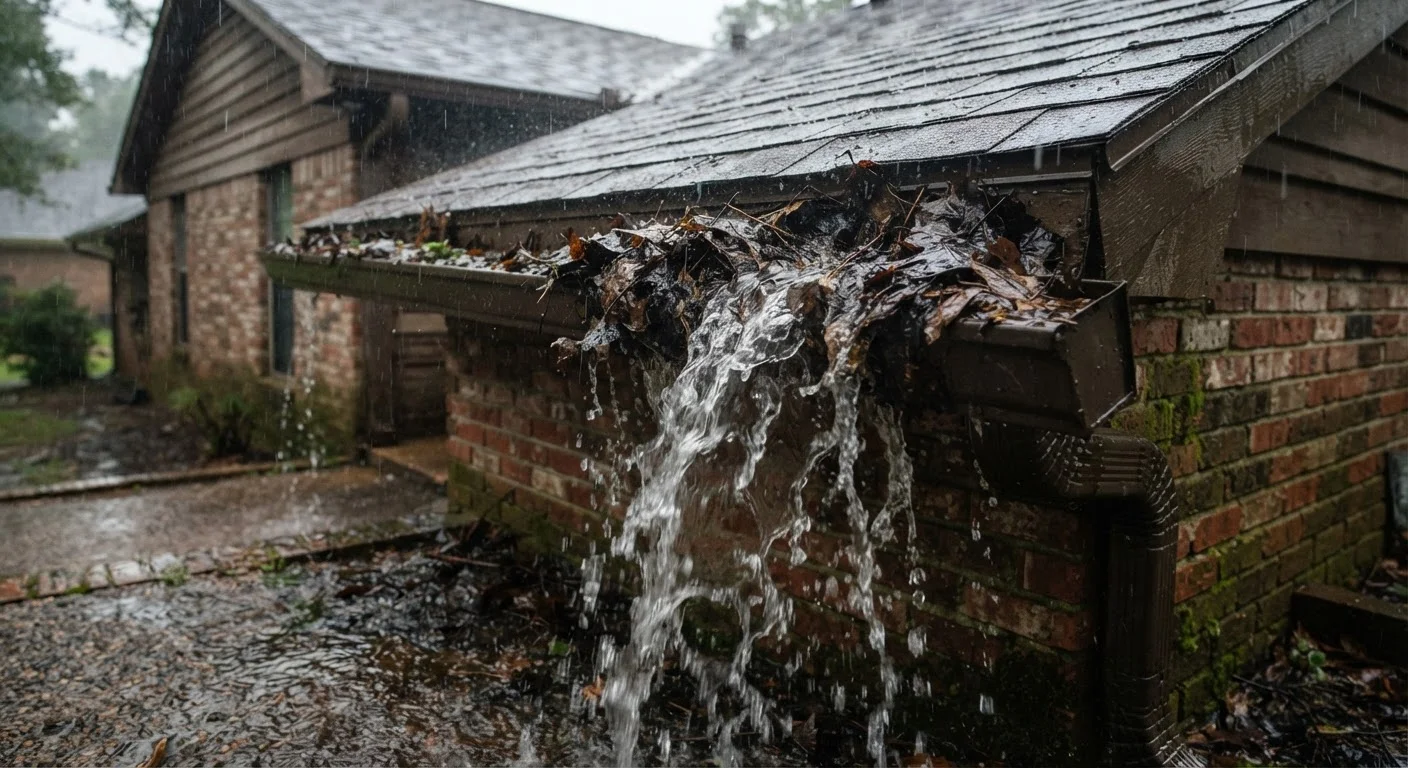
Photo: ResultsExplorer.com | Top Blogs For Everyone editorial
Key Takeaways
- Gutters protect your foundation, siding, and landscaping - not just your roof.
- Clogs are the most common cause of gutter failure and are entirely preventable.
- Most homes need gutters cleaned at least twice per year, typically in spring and late fall.
- Water pooling near your foundation is a serious warning sign that shouldn't be ignored.
- Minor gutter repairs handled early are far less expensive than foundation or siding repairs later.
The Real Purpose of Your Gutters
Gutters occupy a quiet corner of home maintenance - easily ignored because they sit out of sight and, most of the time, out of mind. But that invisibility is precisely what makes neglecting them so costly.
The core function of a gutter system is water management. Every inch of rainfall that lands on your roof has to go somewhere. Without gutters, that water cascades off the eaves in sheets, saturating the soil directly against your foundation, soaking your siding, and eroding the landscaping at your home's base. With a functioning gutter system, that same water is channeled, controlled, and deposited well away from the structure.
When gutters fail - whether from clogs, improper pitch, or physical damage - the consequences mirror a home with no gutters at all. As deferred maintenance compounds, what started as a blocked downspout can quietly progress into foundation cracks, basement water intrusion, or rotted fascia boards that cost thousands to repair.
Up to 98%
Of basement water problems traced to drainage issues
The American Society of Home Inspectors has noted that the vast majority of basement moisture problems are attributable to surface water drainage failures, including gutters and grading.
$10,000+
Typical cost range for foundation repair
According to multiple home repair cost surveys, foundation repairs resulting from water intrusion routinely run into five figures depending on severity and region.
2x per year
Minimum recommended gutter cleaning frequency
Home maintenance guidelines from professional inspection organizations generally recommend cleaning gutters at least twice annually, with more frequent cleaning for heavily treed properties.
What Clogs Actually Do to Your Home
A clogged gutter doesn't just overflow - it creates a series of cascading problems. When water can't move through the trough, it backs up and sits. Standing water is heavy: a single foot of water-laden debris in a standard gutter section can weigh 8 pounds or more, pulling fasteners loose and causing gutters to sag or separate from the fascia.
That same standing water seeps behind and beneath roofing material at the eaves. In winter climates, it refreezes nightly, forming ice dams that pry up shingles and force meltwater under the roof deck. In warmer, wet climates, it simply rots whatever wood it touches - fascia boards, soffit panels, and even roof sheathing if the intrusion goes unnoticed long enough.
Below the roofline, overflowing water drills down against foundation walls. Clay soils expand and contract with repeated wetting and drying, placing lateral pressure on foundation walls. Sandy soils erode, undermining footings. Neither outcome is trivial or cheap. Learning to recognize early water damage signs can help you catch gutter-related problems before they reach this stage.
A Practical Maintenance Schedule
The good news is that gutter maintenance is straightforward when done consistently. A realistic schedule looks like this:
- Late fall: Clean gutters after the last leaves have dropped. This is the most critical cleaning of the year - entering winter with full gutters invites ice dams and freeze-thaw damage.
- Late spring: Remove pollen, seeds, and early-season debris that accumulated since fall. Check for any winter damage: separated joints, bent sections, or missing fasteners.
- After major storms: A quick visual scan can catch large debris blockages before they create problems. You don't need to climb a ladder - check from the ground for obvious overflow or sagging.
Beyond cleaning, inspect the slope of each run. Water should not pool in any section between cleanings. Check that downspouts discharge at least 4-6 feet from the foundation, and that splash blocks or extenders are directing water away - not against - your home.
Test Your Drainage After Cleaning
Common maintenance missteps around gutters include reattaching loose sections with the wrong fasteners and failing to reseal end caps and joints - details worth knowing before you climb the ladder.
When to Call a Professional
Single-story gutter cleaning is a reasonable DIY task for a careful homeowner using a secure, properly positioned ladder. Multi-story homes, steep pitches, or significant structural repairs are a different matter. Falls from ladders are among the most common causes of serious home-improvement injuries, and the savings rarely justify the risk when heights are involved.
A professional gutter service can also identify problems that aren't obvious from the ground: improperly pitched runs, failing sealant at joints, or early signs of fascia rot hidden behind the gutter trough. Other overlooked structural maintenance tasks often surface during these inspections as well.
If you're seeing persistent water stains on interior walls near exterior corners, soft spots on siding, or efflorescence (white mineral deposits) on basement walls, don't assume the gutters alone are responsible - but do include them in your diagnosis. A simple cleaning and downspout inspection is always the right first step.
This article provides general home maintenance information for educational purposes. Costs, timelines, and appropriate repairs vary by home, region, and condition. Consult a qualified contractor for assessment of your specific situation.
Frequently Asked Questions
The content provided on our blog site traverses numerous categories, offering readers valuable and practical information. Readers can use the editorial team’s research and data to gain more insights into their topics of interest. However, they are requested not to treat the articles as conclusive. The website team cannot be held responsible for differences in data or inaccuracies found across other platforms. Please also note that the site might also miss out on various schemes and offers available that the readers may find more beneficial than the ones we cover.